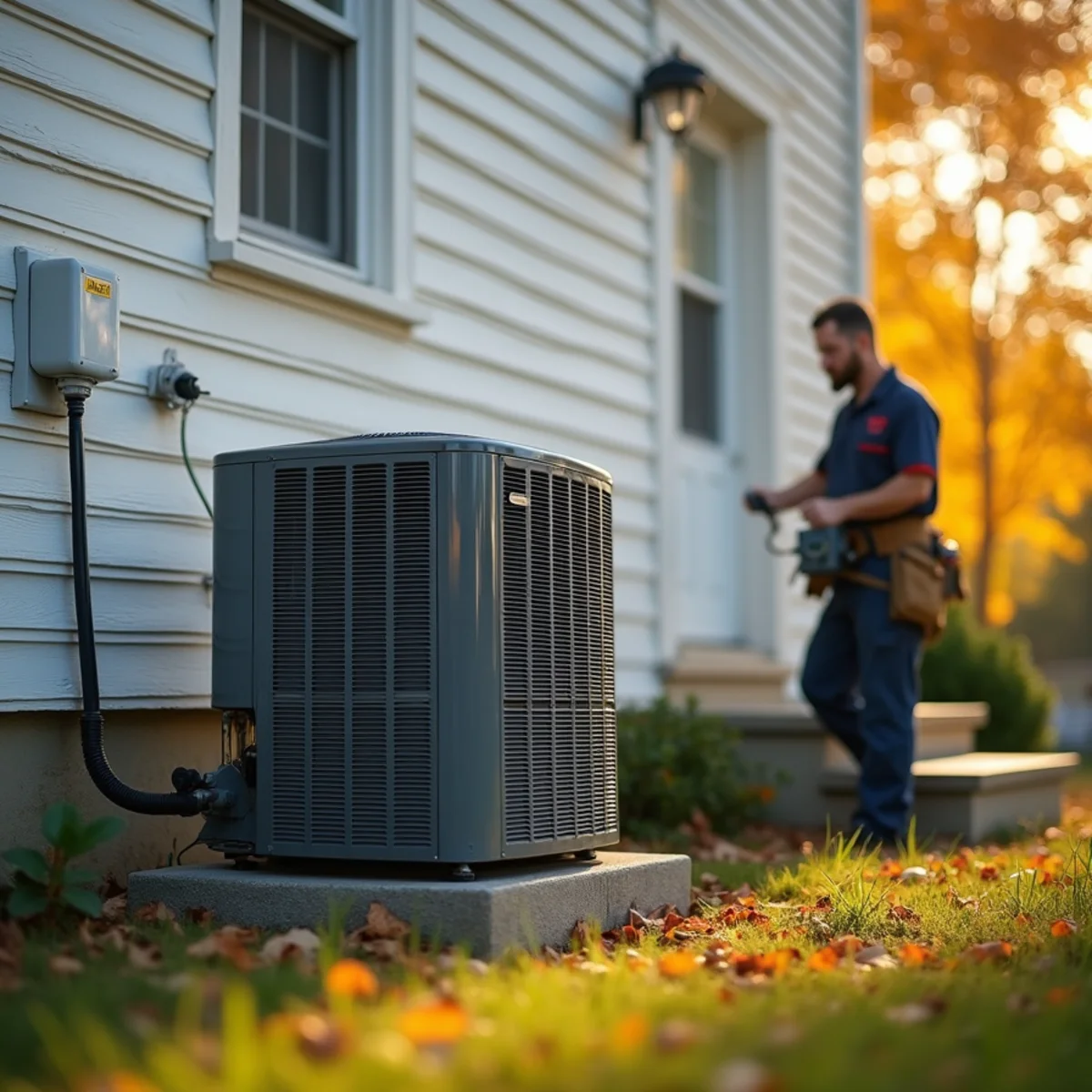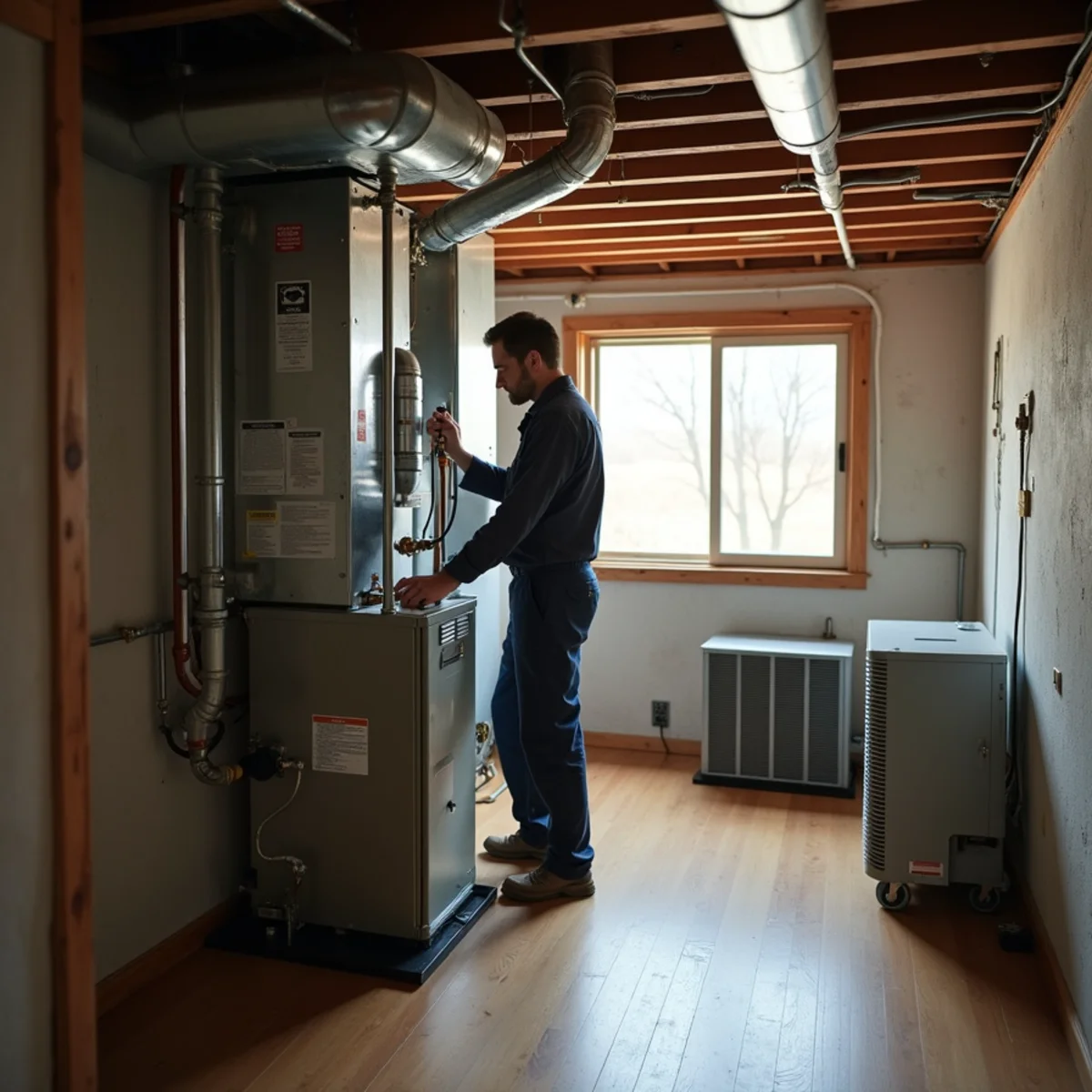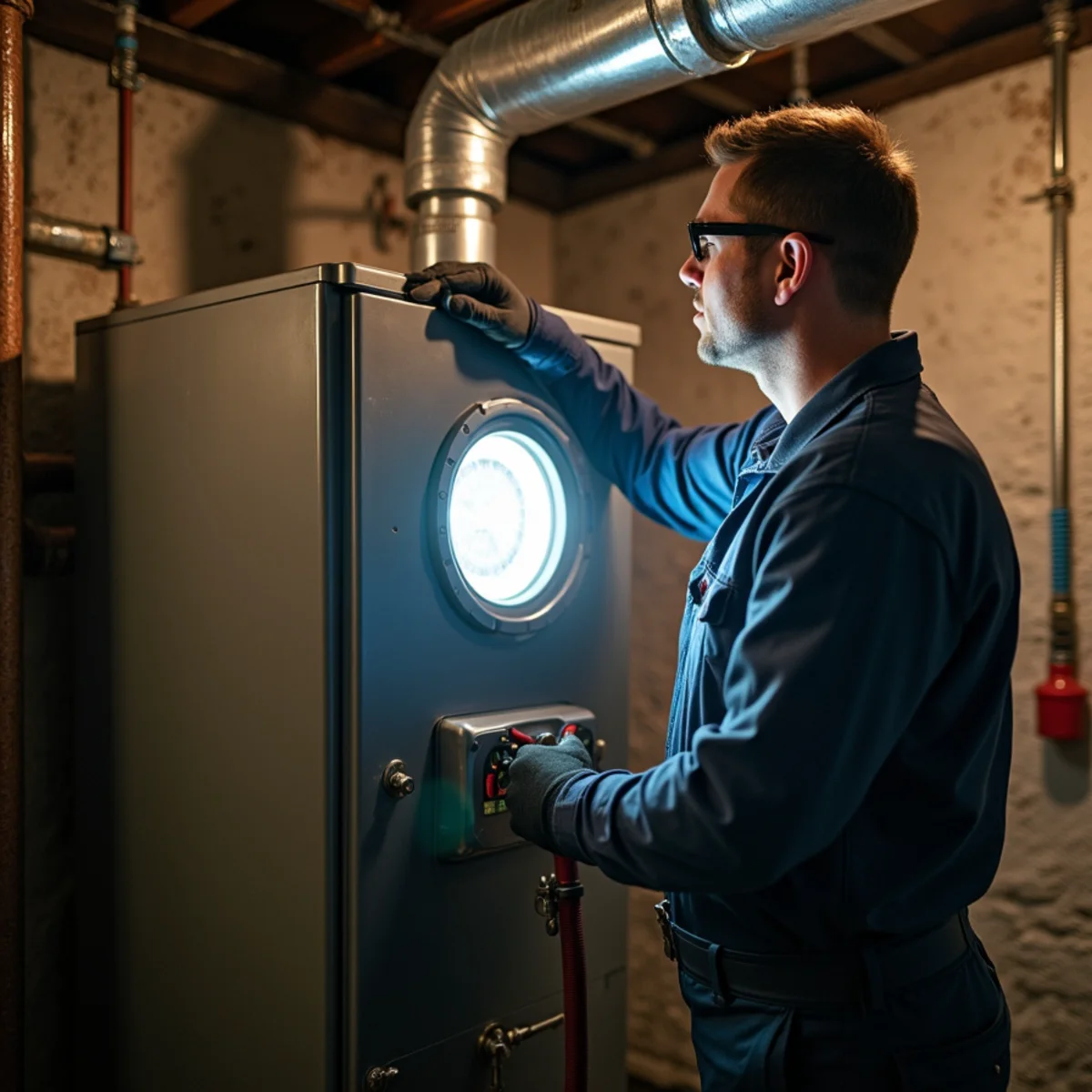
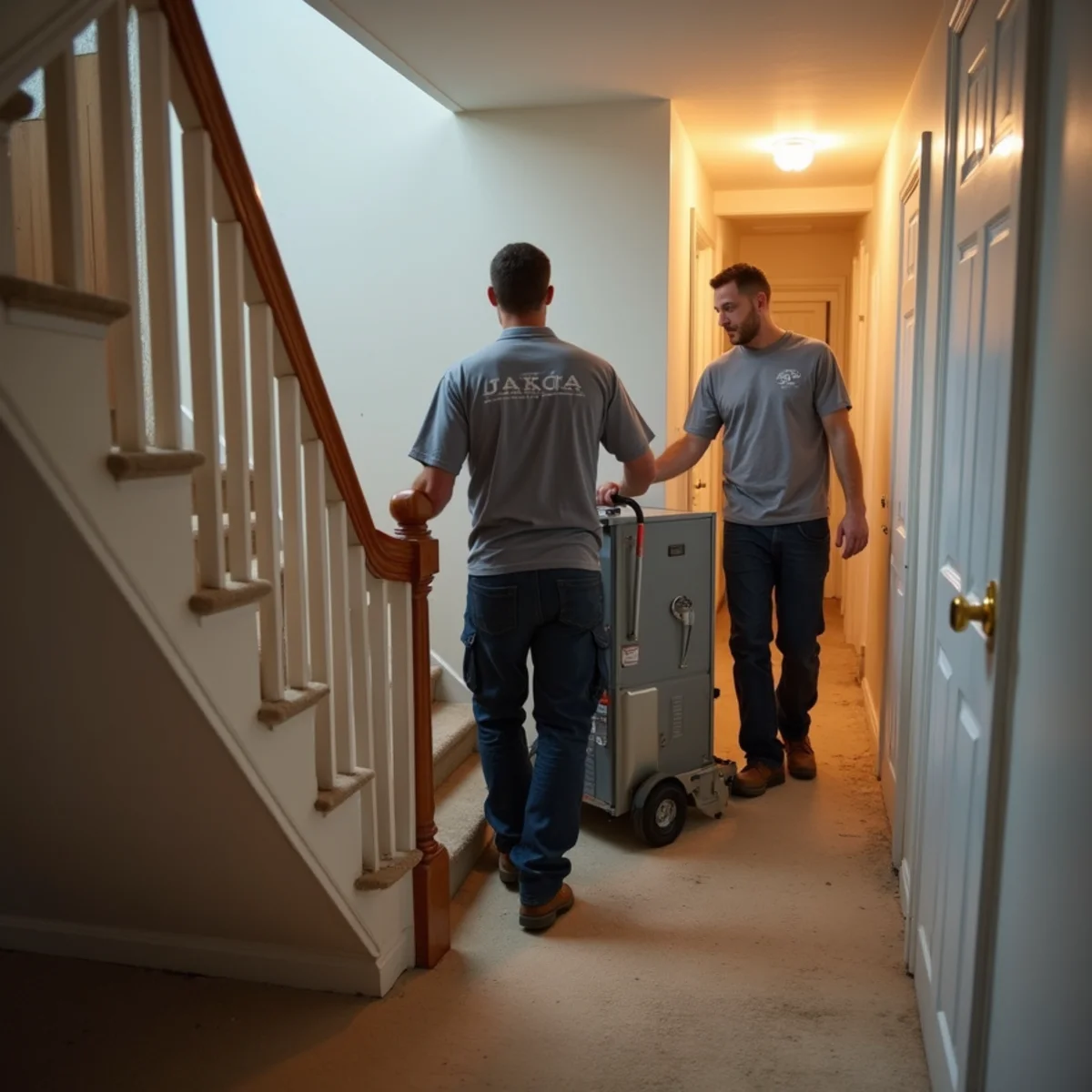
On installation day the crew arrives, protects the work path, shuts off power and fuel, removes the old equipment, sets and connects the new, then starts and tests it. A straightforward furnace or AC swap is commonly a one-day job, while boilers, heat pumps with new ductwork, and conversions often take longer. Your part is simple: clear the way, plan for the shutoffs, and keep the paperwork.
Everything here is general. Your contractor's own schedule and instructions come first, so ask for them in writing a few days before. If you are still choosing a company, start with our guide to choosing an HVAC contractor in Bucks County.
Before the Day: Confirm the Details
- The start time, the expected finish, and how many people are coming
- Who is pulling the permit and when the inspection happens
- The exact equipment being installed, matched to the contract
- Whether you will have no heat or no cooling during the work, and for roughly how long
- Who will be home to answer questions and sign off at the end
If the swap is in winter, schedule it for a mild day if you can and have a plan for staying warm. Our winterizing guide is a useful checklist for the rest of the house.
Clear the Work Path
The crew has to carry old equipment out and new equipment in, so a clear path matters more than anything else you do.
- Clear the route from the door to the equipment, including stairs, the basement or attic hatch, and anywhere the equipment will turn a corner
- Move stored boxes, holiday decorations, and shelving back from the furnace, boiler, or air handler
- Take wall hangings and fragile items off walls along the stairway
- Clear the area around the outdoor unit for AC or heat pump work
- Leave driveway space for the truck, and let neighbors know if the street will be crowded
Older Quakertown homes often have narrow, steep basement stairs and low mechanical rooms. If yours does, mention it when you confirm the day, since it affects how the equipment is brought in.
Pets, Kids, and Household Plans
Doors will be open, tools and old equipment will be moving, and the area will be noisy. Keep pets in a closed room or away from home, and keep children out of the work zone. If someone in the house has a breathing condition, ask how dust and fumes from cutting, brazing, or old-duct work will be managed.
Power, Gas, Oil, and Water
The crew will shut off the electric supply at the equipment and, on gas or oil systems, the fuel. A boiler swap usually means draining part or all of the system and refilling it, which can take a while to reheat in cold weather. Show the crew where your main shutoffs are, and don't operate gas valves yourself.
Safety note: if you smell gas at any point, or a carbon monoxide alarm sounds, leave the house and call 911 or the gas utility from outside. Do not turn lights or appliances on or off on the way out.
Typical Timelines by System
These are general expectations, not promises. Your schedule depends on your house.
- Furnace replacement: often one day for a like-for-like swap, longer with new venting, gas piping, or duct changes
- Central AC replacement: commonly a day; longer if the indoor coil, line set, or electrical needs work
- Boiler replacement: often a day or more, because of draining, piping changes, and refilling; conversions from oil can take longer
- Heat pump installation: commonly a day or two, longer if you are adding ductwork or an air handler or doing a ductless install
For more on what each system involves, see our pages on furnace installation, AC installation, boiler installation, and heat pump services.
Inspection, Startup, and Commissioning
Most installations need a permit, and your municipality may inspect the work under Pennsylvania's Uniform Construction Code. Ask when to expect the inspector and if someone must be home.
Startup is the technician's check that the new system works as designed. It commonly covers fuel pressure and combustion checks on gas and oil systems, temperature rise or water temperatures, airflow, refrigerant charge on AC and heat pumps, safety controls, condensate drainage, and thermostat setup. Ask for a walkthrough: how to set the thermostat, where the filter goes, where the shutoffs are, and what to watch for. Our thermostat settings guide helps with the schedule afterward.

Paperwork to Keep
- The signed contract and any written changes
- Model and serial numbers for every major component (take photos of the data labels too)
- Warranty registration confirmation, if registration is required
- The permit and inspection sign-off
- The startup or commissioning report
- Owner's manuals and the maintenance schedule
Keep these together in one folder. They matter for warranty claims, future service, and a home sale.
First-Week Checks
- Every room: does it get airflow, and does the temperature follow the thermostat?
- Listen for new noises, rattles, or banging, and note when they happen
- Look around the equipment and the condensate line for water
- Boiler: check the pressure gauge against what the technician told you, and watch for radiators that stay cold
- Test your smoke and carbon monoxide alarms
- Replace or check the filter on the schedule you were given
A faint smell on the first heating cycles of new equipment can occur, but any gas odor, burning smell, or CO alarm is not normal; leave and call 911 or the gas utility. Heat pump owners may notice defrost steam in cold weather, which our guide on heat pump defrost mode explains. For anything else that seems off, call your installer, and keep your maintenance plan in mind for the following year. If you are comparing proposals first, read how to compare HVAC quotes. Questions about an upcoming furnace installation or AC installation? Call (327) 210-5999.