Many older homes in and around the Quakertown Historic District are heated by a boiler, and the word boiler covers two quite different systems. People often assume theirs is one and find out it's the other when something goes wrong. Knowing which you have helps you describe a problem accurately, anticipate what repair involves, and avoid advice meant for the other type.
How to Tell Which You Have
- Look at the boiler for a sight glass, a clear tube showing a water level, and a pressure gauge reading low (a few psi at most). That is typical of steam.
- A hot-water boiler usually has a pressure and temperature gauge, an expansion tank somewhere in the piping, and a circulator pump that you can hear running.
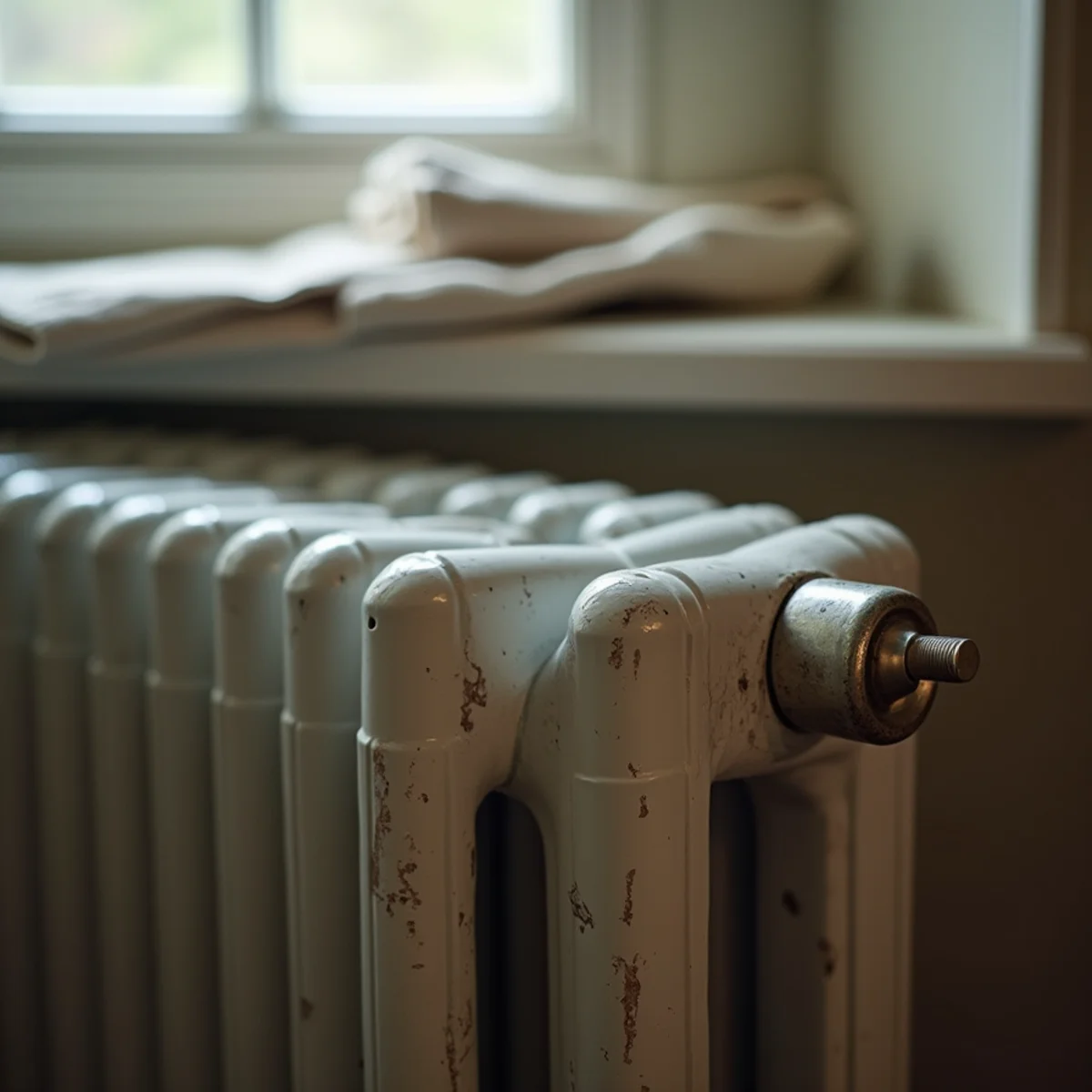
- Look at the radiators. Steam radiators usually have a single pipe connection and a small vent valve on the side or end that hisses. Hot-water radiators usually have two connections, a supply and a return, and a small bleed valve at the top corner.
- Baseboard fin-tube heating is always hot water.
If you're still unsure, a technician can identify it in a minute.
How Steam Heating Works
A steam boiler heats water to boiling. Steam rises through the pipes, fills each radiator, and condenses back to water, which flows back to the boiler. The system depends on the correct water level, clean boiler water, properly pitched pipes, and working vent valves. When it works, it delivers a lot of heat quickly, and many older homes are well matched to it.
Typical steam problems include water hammer (banging) from trapped condensate or bad pipe pitch, radiators that stay cold or heat unevenly because of failed vents, a boiler that shuts off from low water, and loss of efficiency from sediment. Our guide to boiler noises covers many of these.
How Hot-Water Heating Works
A hot-water boiler heats water that is circulated by a pump through piping to radiators or baseboards, then returns to the boiler. The system is pressurized, filled with water, and typically runs at lower surface temperatures than steam, giving more even heat. Zones are controlled by thermostats and zone valves or multiple circulators.
Typical problems include air in the system, a failed circulator pump or zone valve, an expansion tank that's waterlogged, leaks, and pressure that is too low or too high. Air in a radiator can be released by bleeding it, but only on hot-water systems.
Why It Matters for Repairs
A steam system doesn't get bled and doesn't get topped up like a hot-water system. Adding water to a steam boiler without understanding the water level can cause damage, and bleeding a steam radiator is wrong. Each type has its own safety controls, such as low-water cutoffs and pressure limits for steam, and relief valves and expansion tanks for hot water. Advice written for one can be harmful if applied to the other.
Why It Matters for Replacement
When a boiler reaches the end of its life, the question is whether to replace it like for like or convert. Converting steam to hot water can be done in some houses, but radiators and piping may need changes, and it isn't automatically better. A new steam boiler installed correctly can serve an existing steam system for decades. We cover this in boiler installation and replacement, and our boiler replacement cost guide explains the repair-versus-replace decision.
Maintenance Differs Too
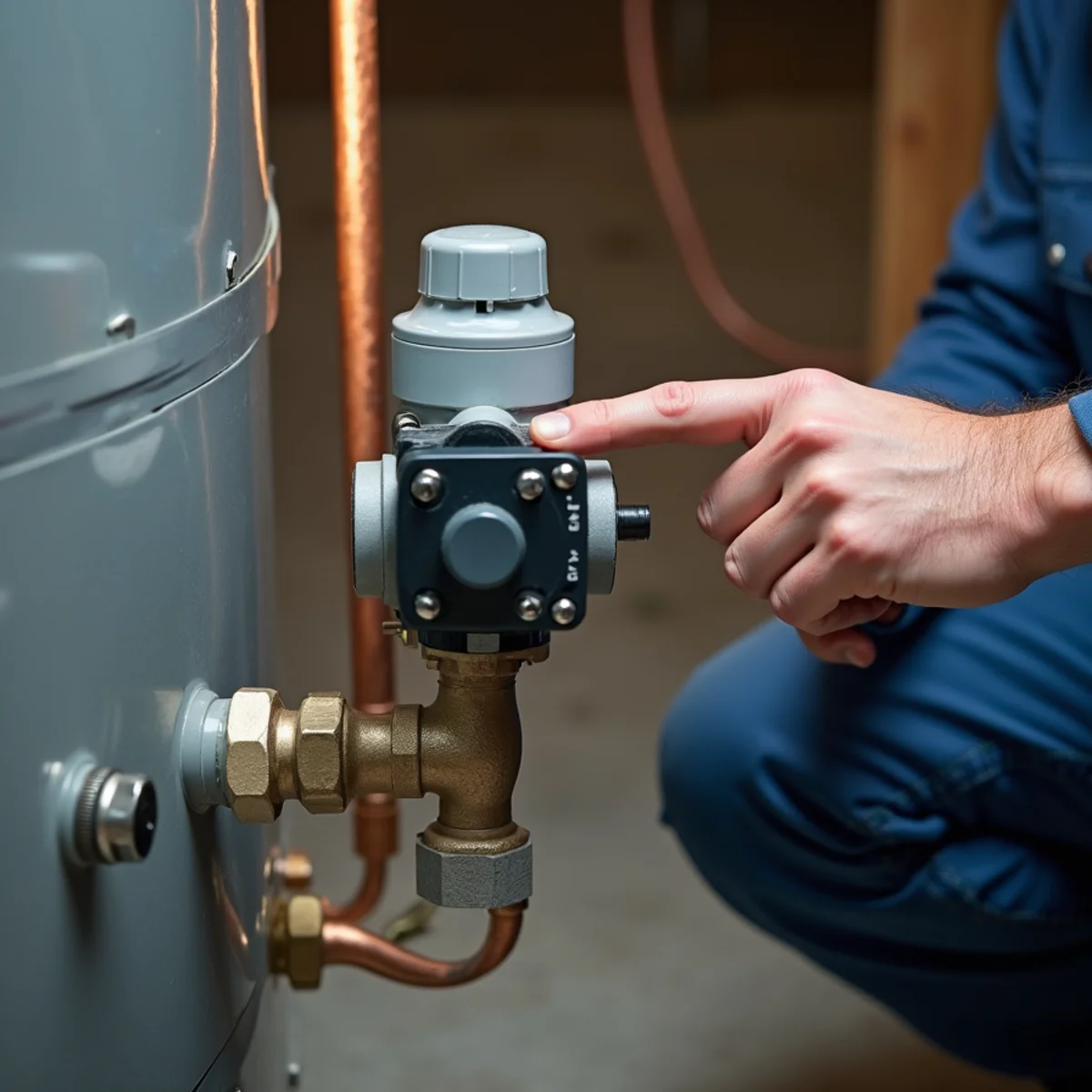
Steam boilers benefit from regular water-level and low-water cutoff checks and periodic flushing. Hot-water boilers need pressure checks, pump and valve inspection, and expansion tank checks. Both need combustion and venting inspection each year. See HVAC maintenance for what a visit covers.
If You're Not Sure
Don't guess. If something isn't heating or you hear banging, call for boiler repair and tell the technician what you see: a sight glass, radiator vents, a pump, and any gauge readings. That is usually enough to start in the right place.