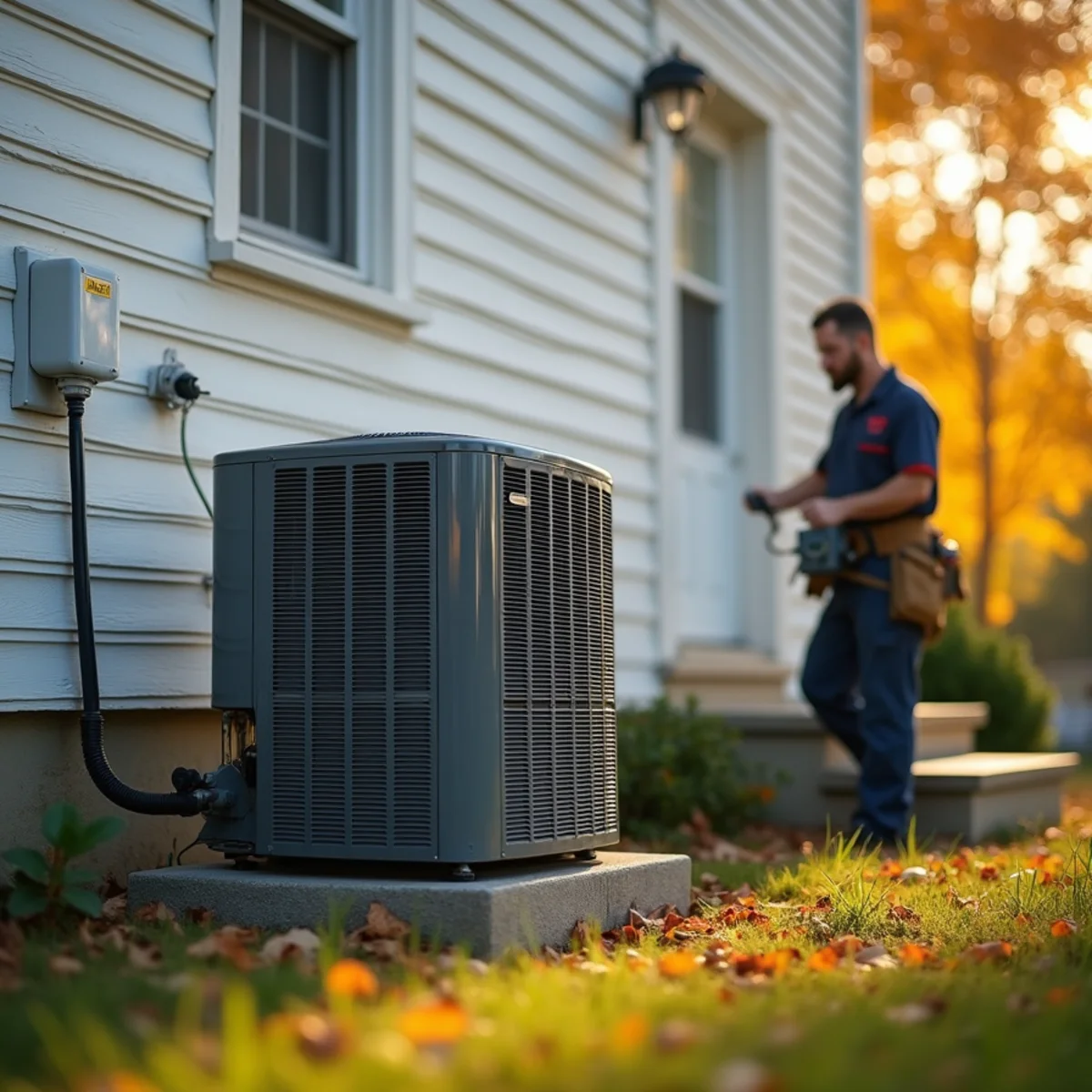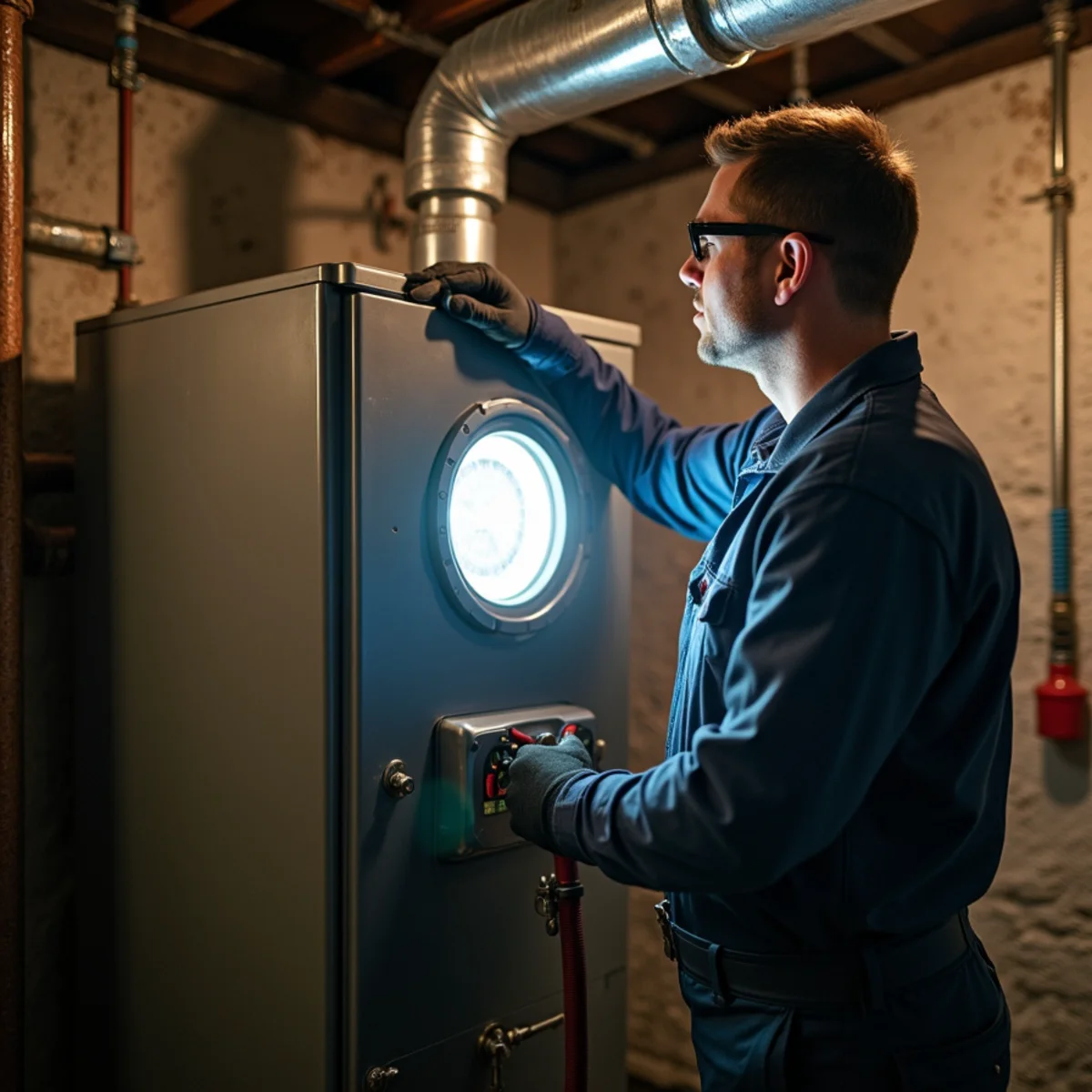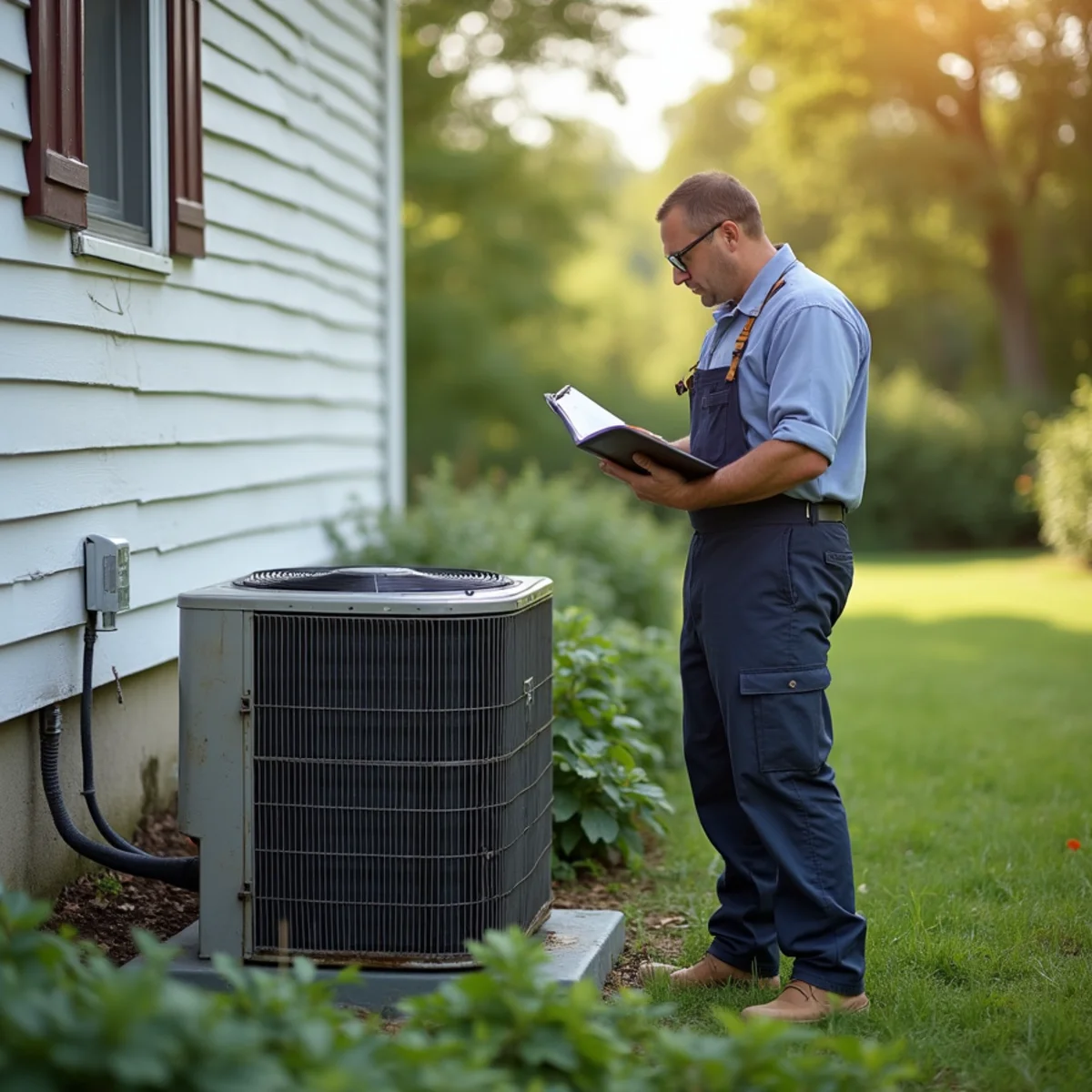
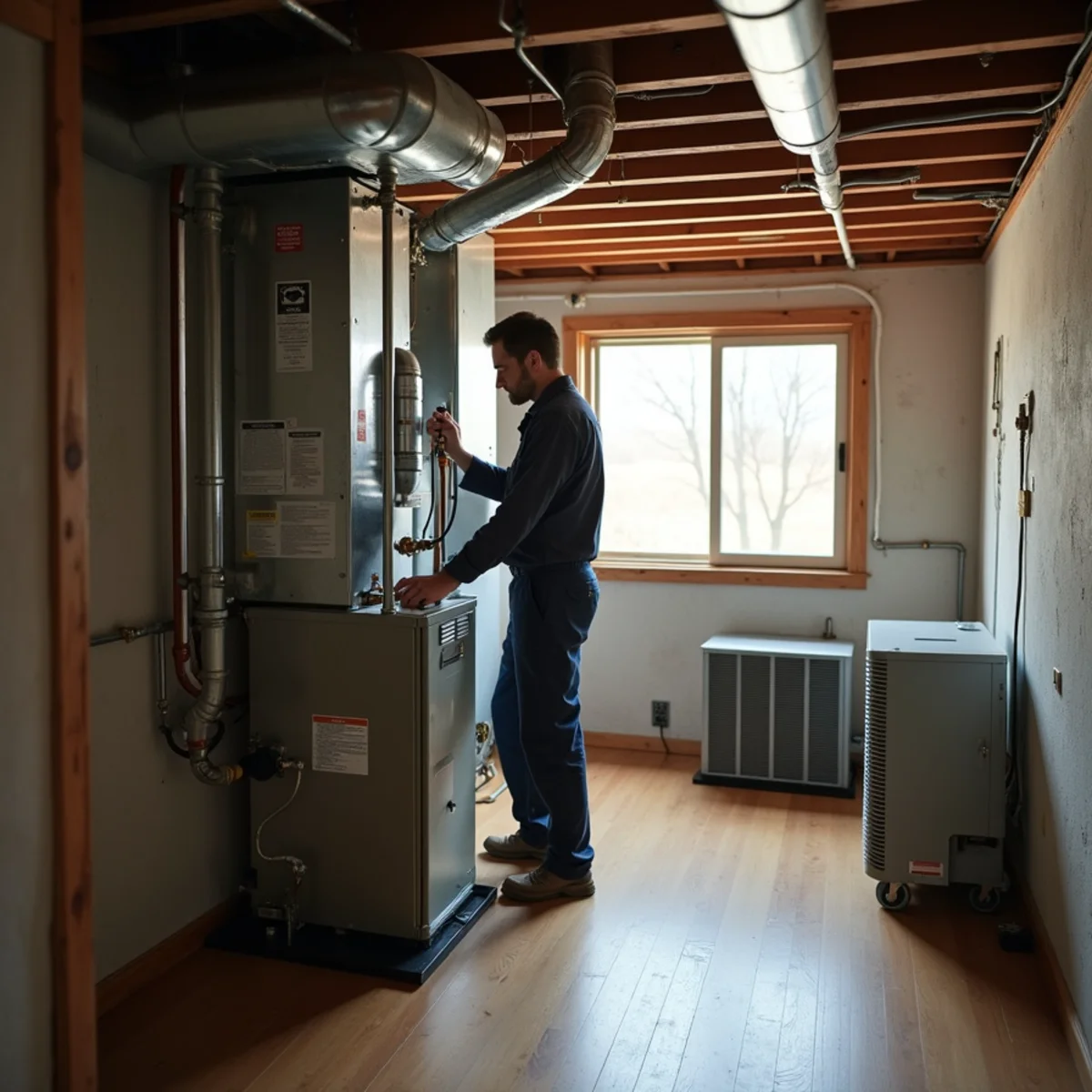
A dual-fuel system, sometimes called a hybrid heating system, combines an electric heat pump with a fuel-burning furnace in one setup. The heat pump heats the house through the milder part of the season, and the furnace takes over when it gets cold enough that the heat pump isn't the best tool anymore. The idea is to use each machine where it works best.
How It Works
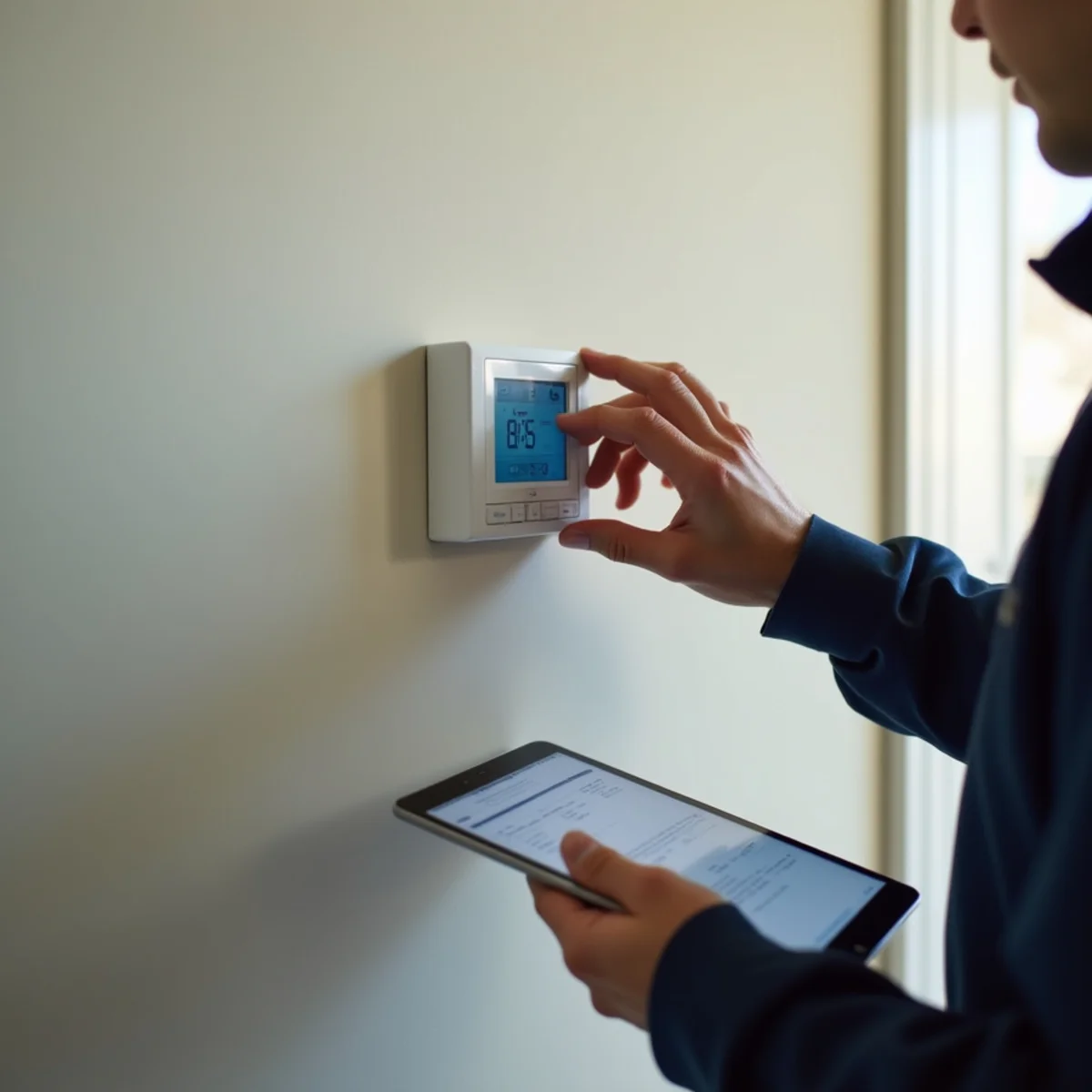
The system has an outdoor heat pump, an indoor furnace (gas, oil, or propane) with a coil above or beside it, and a thermostat or control that decides which source to use. Above a switchover temperature the heat pump does the work. Below it, the heat pump shuts off and the furnace fires. The switchover point is set based on equipment performance and your local energy prices, not a single fixed number.
In summer the heat pump cools, exactly like an air conditioner, so a dual-fuel system replaces both an air conditioner and a standalone heat source.
Why Pair Them?
- A heat pump is efficient in mild weather, and that covers a lot of the heating season in Upper Bucks County.
- A furnace delivers strong, consistent heat in the coldest weather, regardless of outdoor temperature.
- Using the furnace only on the coldest days avoids the cost of electric resistance backup heat.
- You keep a proven backup if the heat pump fails in a cold snap.
Who Benefits Most
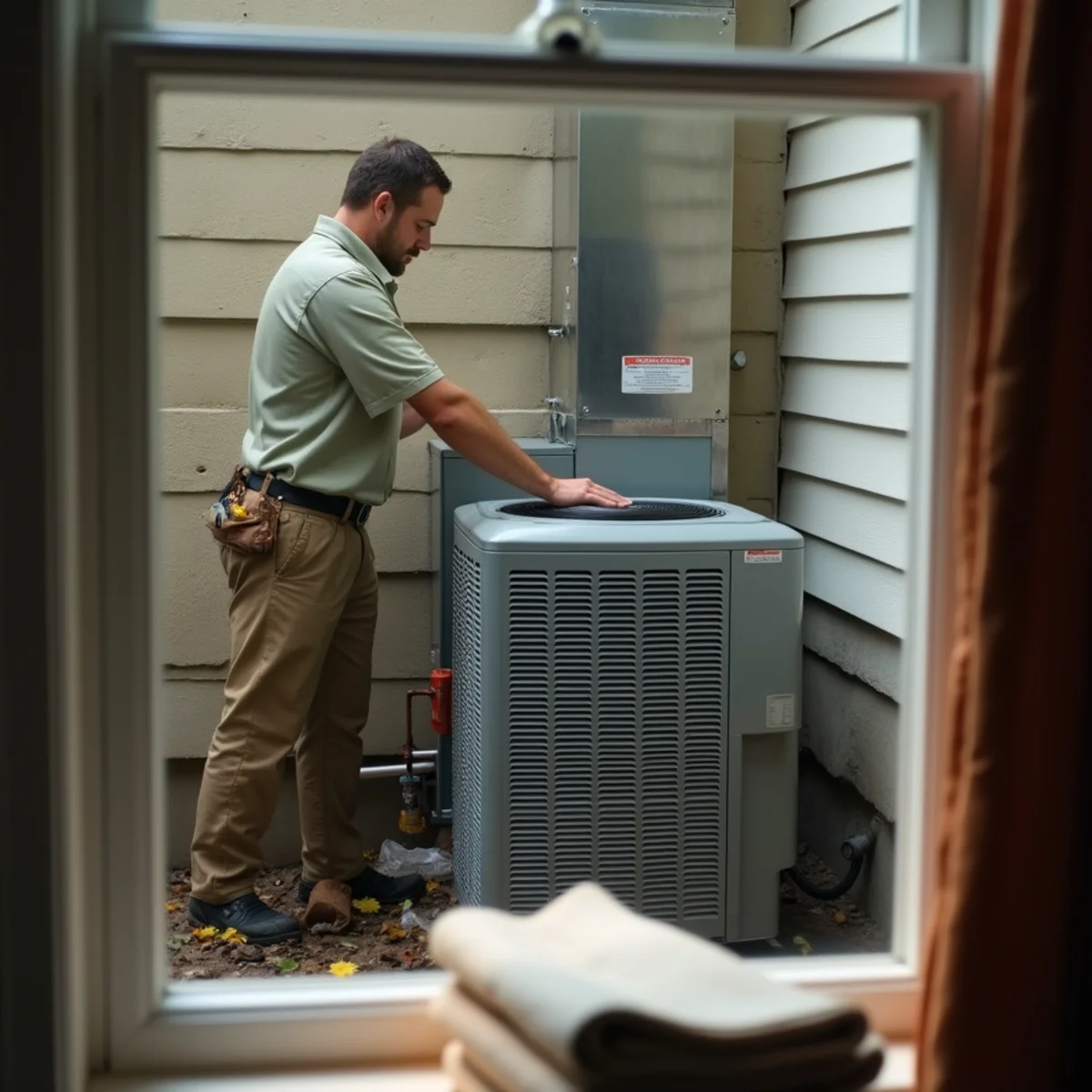
Dual-fuel tends to suit homeowners who already have, or can get, a furnace and ductwork, who want a single cooling and heating plan, and who want to hedge against cold-weather heat pump limits. It can also make sense when you're replacing an air conditioner and your furnace still has good life left, because adding a heat pump may be an alternative to replacing both.
It's also a reasonable path for homes that heat with oil or propane and want to reduce their use of those fuels. See heating options without a gas main.
Who Might Not Need It
If your climate or your equipment makes a standalone cold-climate heat pump comfortable at your lowest temperatures, a dual-fuel system adds cost and a second set of equipment to maintain. If you have no ducts and no furnace, a ductless mini-split or all-electric heat pump may be simpler. The right answer is a comparison for your house.
Tradeoffs to Weigh
- Higher upfront cost than replacing just one component, since there are two heat sources to install.
- Two systems to maintain, though both can be covered in one maintenance visit.
- The switchover setting matters. Set too low, the heat pump struggles. Set too high, you give up its efficiency.
- Compatible controls and equipment are required, so not every furnace and heat pump pair works together.
What to Ask Before You Commit
- What switchover temperature will the system use, and why?
- Is the existing furnace in good enough condition to be paired, or should it be replaced?
- Are the ducts sized for the airflow of a heat pump?
- What is the estimated operating cost compared with each alternative at current local prices?
Our guide to heat pump versus furnace covers the broader choice. If you're considering a heat pump now, see heat pump services, and if you already have one that isn't keeping up, see heat pump repair.