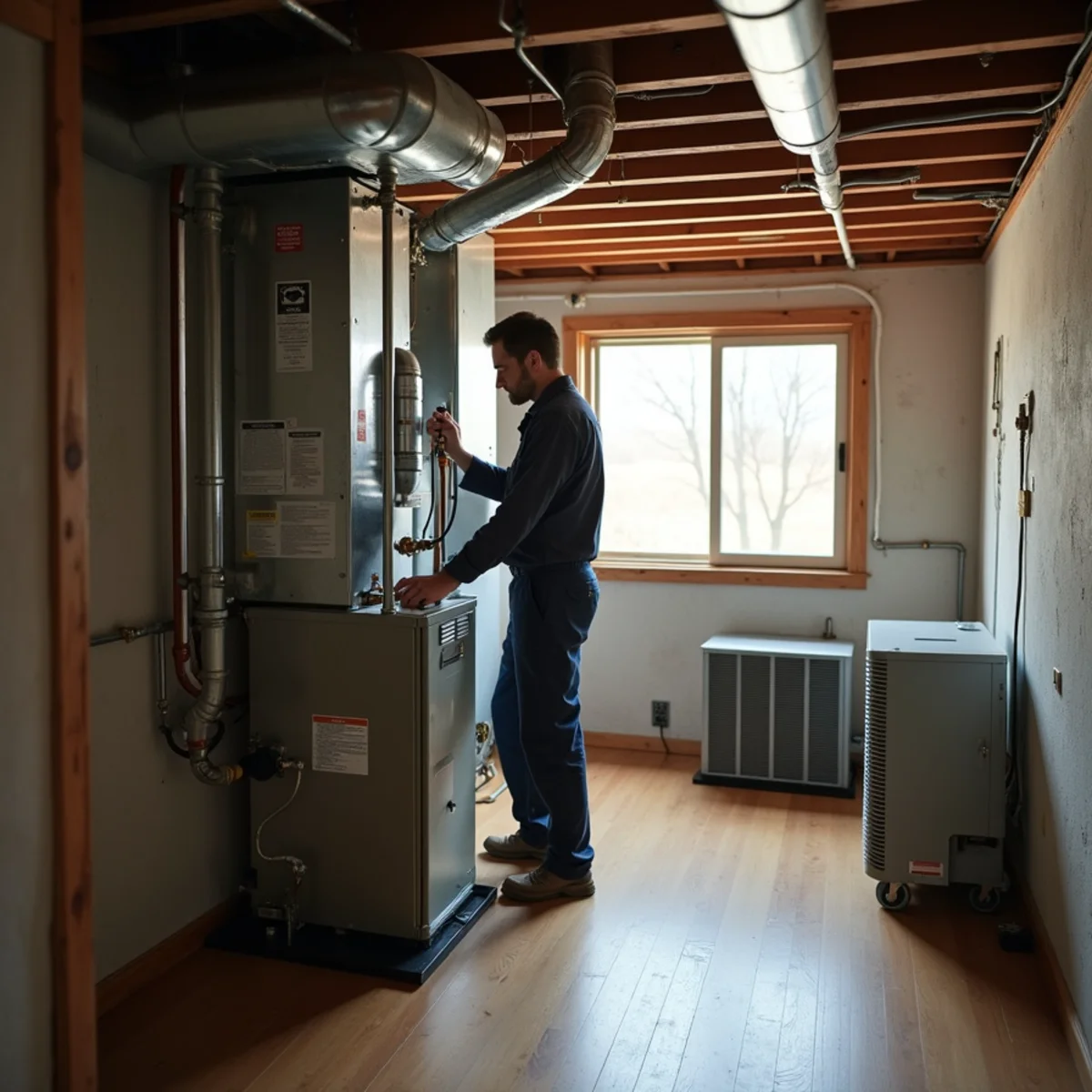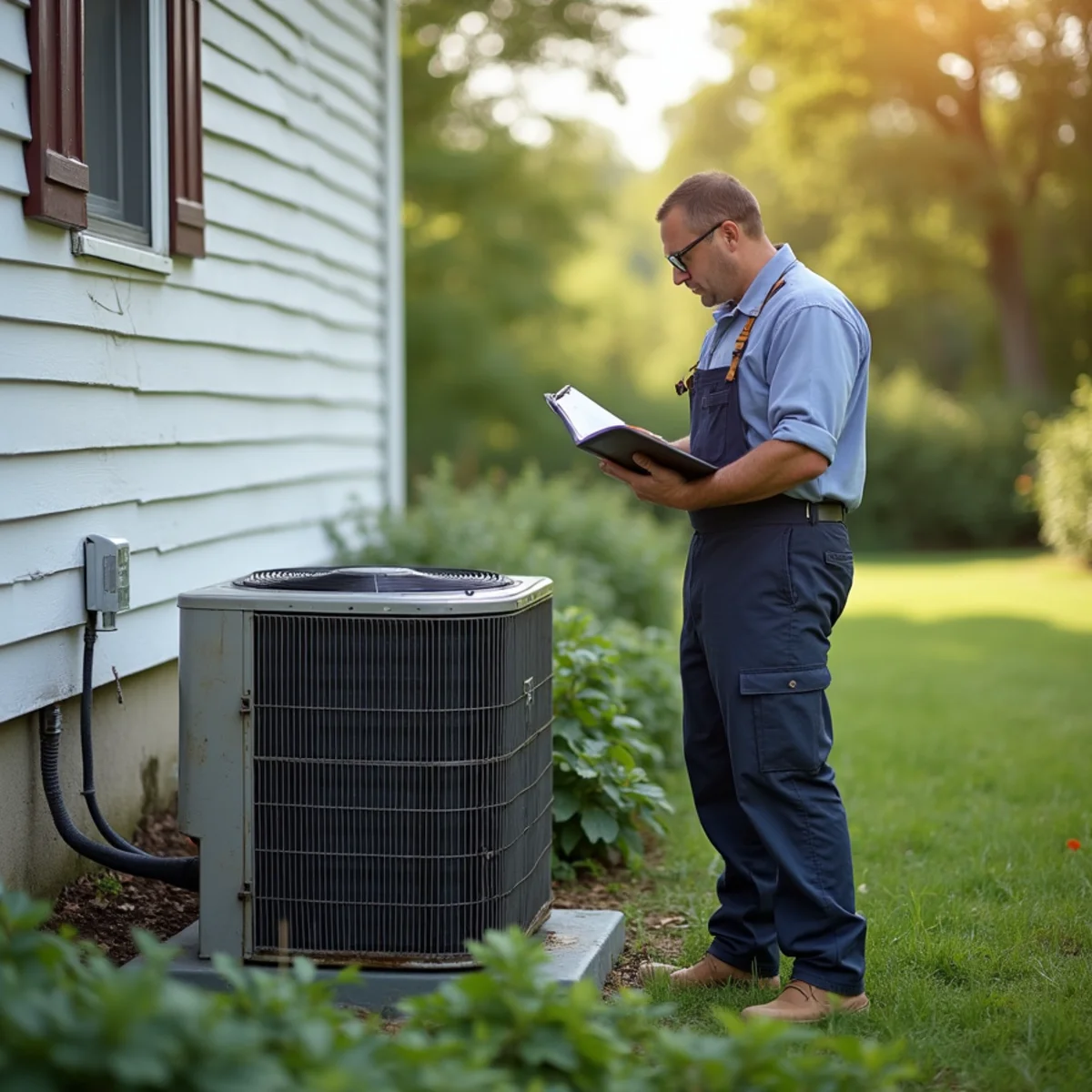
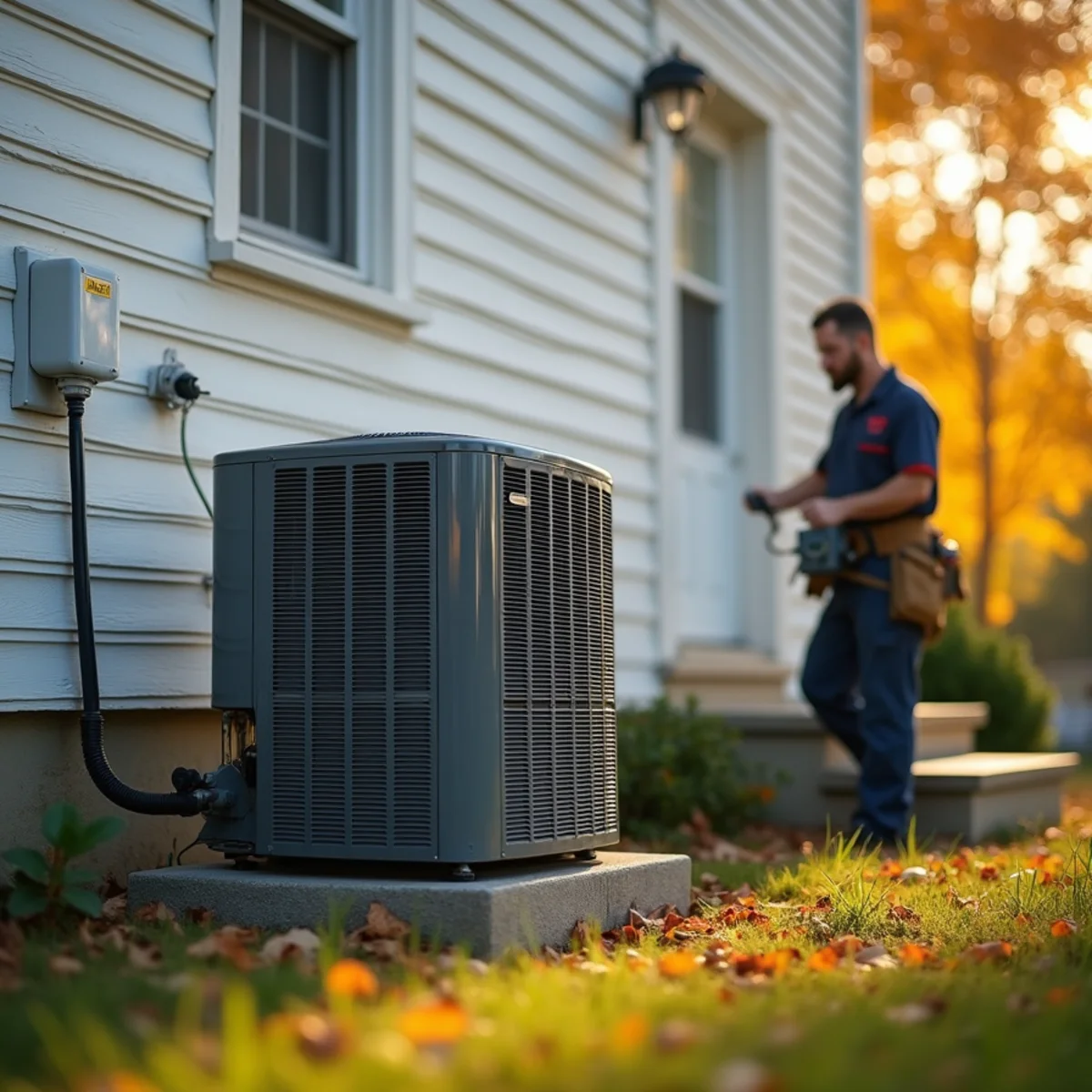
Homeowners replacing a furnace and air conditioner together now face a real choice: a gas or oil furnace with a separate air conditioner, or a heat pump that heats and cools. In Upper Bucks County, either can be the right answer, and which one depends on the house, the fuel available, and what you value. We install both, so this comparison aims to be balanced, not a pitch for one.
How Each One Makes Heat
A furnace burns fuel (natural gas, oil, or propane) or uses electric resistance elements, and blows air across a hot heat exchanger into your ducts. A heat pump uses electricity to move heat from outdoor air into the house, and reverses to move heat out in summer. Because it moves heat instead of creating it, a heat pump can deliver more heat energy than the electricity it consumes, as long as the outdoor temperature isn't extreme.
Performance in Cold Weather
Standard heat pumps lose heating capacity as temperatures fall. Modern cold-climate models hold up much better in a Bucks County winter, but a furnace delivers the same output regardless of outdoor temperature. That's why heat pumps are often paired with backup heat: electric strips in a heat pump alone, or a furnace in a dual-fuel arrangement (see our dual-fuel heat pump guide).
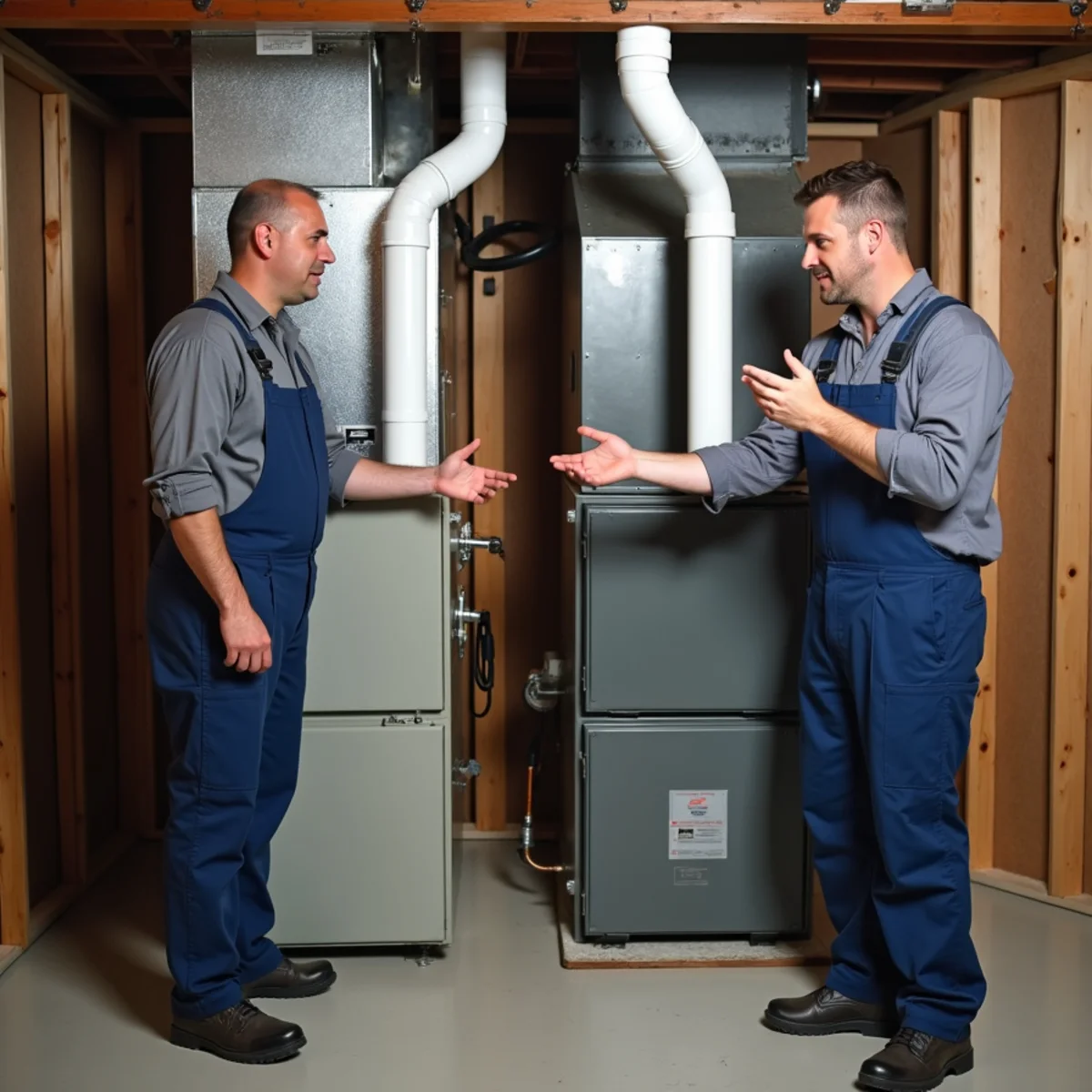
Running Cost: What Actually Drives It
Which is cheaper to run depends on local energy prices and outdoor temperature, so we won't quote a universal winner. The factors that decide it:
- The price of natural gas (or oil or propane) versus electricity per unit of heat
- The efficiency of the specific equipment, AFUE for a furnace and HSPF2 and SEER2 for a heat pump
- How cold the winter is, since a heat pump's efficiency drops as temperatures fall
- How well the house is insulated and sealed, and how well the ducts perform
- Whether you'd otherwise buy a separate air conditioner
Where natural gas is available and inexpensive, a gas furnace can have lower winter operating cost, while a heat pump can win during the shoulder seasons and in summer cooling. Where the alternative is oil, propane, or electric resistance heat, a heat pump often looks better. Our oil-to-gas conversion cost guide and heat pump cost and rebates guide go deeper on the money side.
Fuel Availability Around Quakertown
Parts of Quakertown borough and Richland Township have UGI gas mains. Many rural properties in Milford, Springfield, and Haycock Townships don't, and use oil or propane. For those homes, a heat pump or a dual-fuel setup often deserves a serious look. Our article on heating options without a gas main covers that situation.
The House Matters
A well-sealed newer home with good ducts suits a heat pump well. An older home with leaky ducts, little insulation, or radiator heat needs more consideration. A house heated by a boiler has no ducts at all, and options like a ductless mini-split may fit better than a full forced-air conversion. Our guide to sizing HVAC in older homes explains why equipment should be sized from a load calculation, not the old unit.

Comfort and Other Differences
- Furnace air is hotter at the register, which some people prefer
- Heat pump air is milder and runs longer, which gives steadier temperatures
- A heat pump replaces the air conditioner, so you maintain one outdoor unit rather than two pieces of equipment
- A furnace needs venting and fuel supply, which is a combustion safety consideration, whereas a heat pump has no combustion
A Quick Decision Guide
- Gas available, ducts in good shape, lowest winter running cost the priority: gas furnace plus AC is often a strong fit.
- On oil or propane, or wanting one system for heating and cooling: a heat pump or dual-fuel is worth pricing.
- Heat pump but worried about the coldest days: dual-fuel keeps a furnace for backup.
- Radiator or boiler heat and no ducts: look at boiler options or ductless heat pumps.
Get Both Options Priced
The most useful step is to get a written comparison for your house. We'll evaluate your ducts, load, and fuel options, and quote both a furnace installation and a heat pump system so you can compare real numbers.