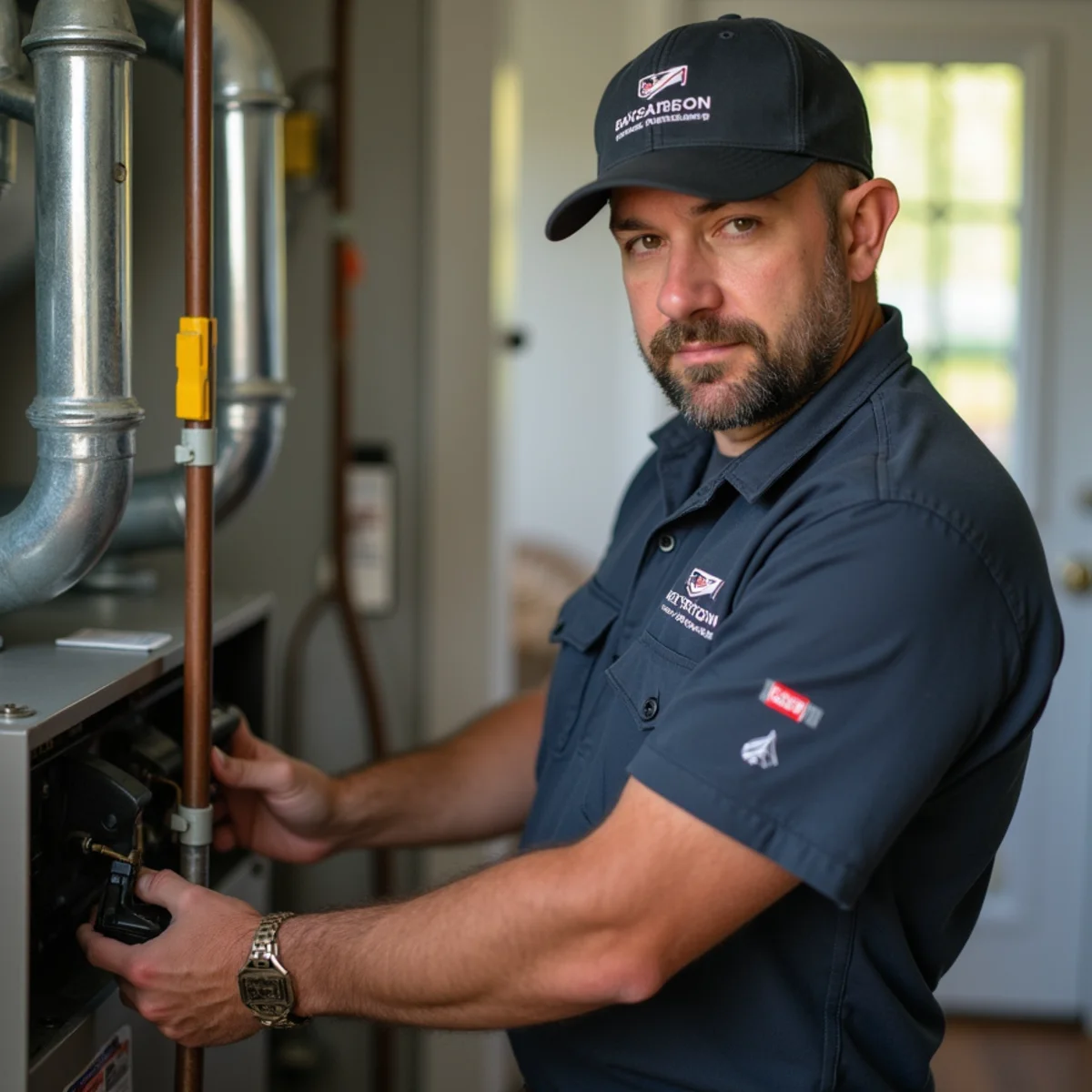

Every year a handful of Richland Township homeowners call asking why their new house doesn't have gas heat like the place they moved from in Quakertown Borough. The answer is usually simple: there's no UGI main running down their road, and there may never be one. Utility companies extend gas mains based on customer density, and a lot of Richland Township is spread out enough — farmland, larger lots, a house every few hundred feet on some roads — that running a main out there has never penciled out for UGI. That leaves two realistic options for heating a home: fuel oil or propane.
Why Some Richland Township Streets Never Got Gas
Natural gas infrastructure gets built where it pays for itself, which means dense subdivisions and older borough streets got mains decades ago while rural township roads got passed over. This isn't unique to Richland — it's the same story across Haycock, most of Milford, and plenty of Bucks County's other rural townships. If your road doesn't have gas now, it makes more sense to plan around oil or propane than to wait on gas that may be years away, if it ever comes at all.
Oil Heat: What It's Actually Like to Own
- Oil furnaces and boilers run efficiently and put out strong heat, which a lot of older Richland Township farmhouses were built around
- You need a tank on-site, either above ground or buried, and you're responsible for keeping an eye on fuel level or setting up automatic delivery
- Running out of oil mid-winter isn't just an inconvenience — it can introduce air into the fuel line and require a technician to bleed the system before it will restart
- Oil prices swing more than gas or propane pricing, so your annual heating cost can vary noticeably year to year
Propane: The More Flexible Rural Option
Propane has become the more common choice for newer construction and replacement systems in areas without gas mains, mainly because propane appliances behave almost exactly like natural gas ones — similar burner technology, comparable efficiency ratings, and propane can run furnaces, boilers, water heaters, generators, and even cooktops off the same tank. Most propane customers set up a lease or ownership arrangement on a tank with a local supplier and get automatic delivery scheduled around usage.
Oil vs. Propane: What Actually Decides It
If you already have an oil tank and a system in good working order, there's rarely a strong financial case for switching to propane just for the sake of switching. Where the decision gets real is at replacement time. A furnace or boiler nearing the end of its life is the natural point to compare propane conversion costs against simply replacing with another oil-fired unit, since you're paying for new equipment either way.
What If UGI Does Reach Your Road Someday
If a gas main extension is ever a real possibility for your road, that's worth exploring before you sink money into a new oil or propane system, since converting from either of those fuels to natural gas is a well-established job. We handle oil-to-gas conversion regularly for homeowners across Richland Township and the surrounding area, whether the gas main just arrived or a homeowner is switching from an aging oil system to propane in the meantime.
Where a Heat Pump Fits Into This Decision
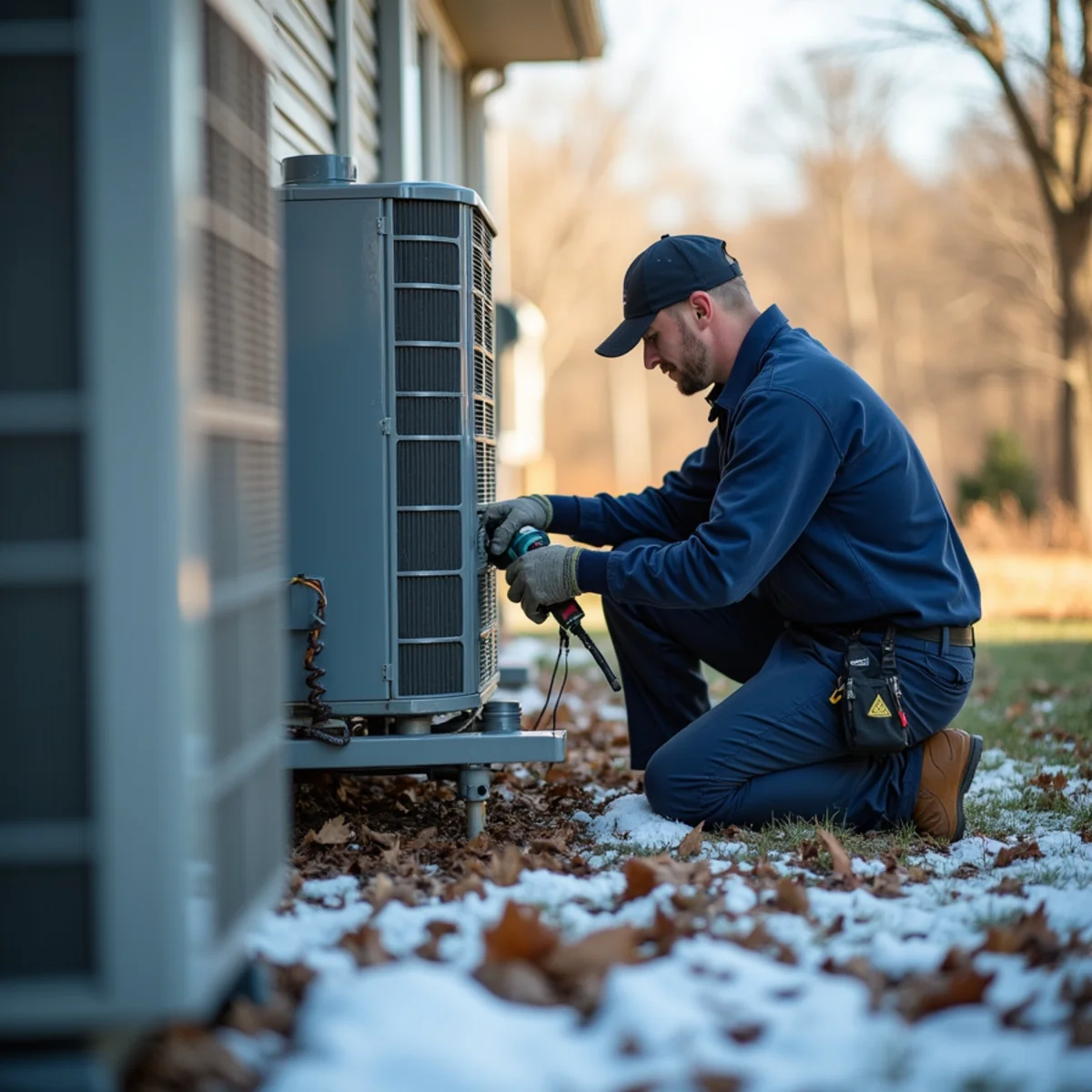
For homeowners weighing options without gas access, heat pump services deserve a place in the comparison alongside oil and propane, not just as an afterthought. A cold-climate heat pump handles both heating and cooling from one system and doesn't depend on any fuel delivery at all, which removes the tank-monitoring and delivery-scheduling concerns that come with oil or propane entirely. The tradeoff is higher equipment cost upfront and a dependence on electrical service capacity, so it's worth a real conversation with a technician about whether your specific home and electrical panel can support one, rather than assuming oil or propane are the only two realistic options.
Tank Placement and Rural Property Considerations
Rural Richland Township properties often have more flexibility in where an oil or propane tank sits than a tighter borough lot, but that flexibility comes with its own considerations. Tank placement affects delivery truck access, distance from the house affects fuel line length and heat loss, and local zoning or homeowner association rules, where they exist, can dictate whether an above-ground tank needs screening from the road. These practical siting questions are worth working through with your fuel supplier and installer together before committing to a specific tank size or location, since relocating a tank after the fact is far more disruptive than planning for it upfront.