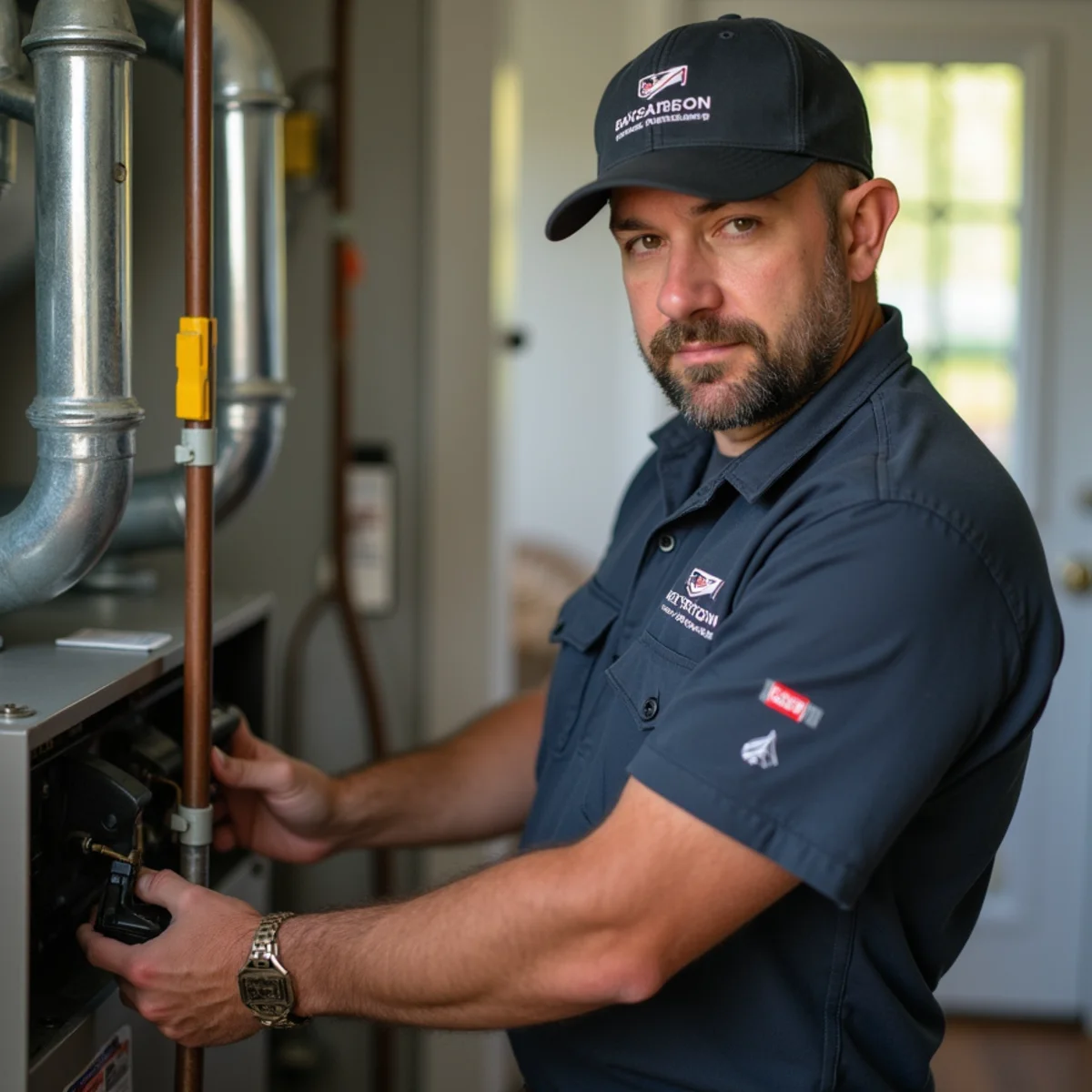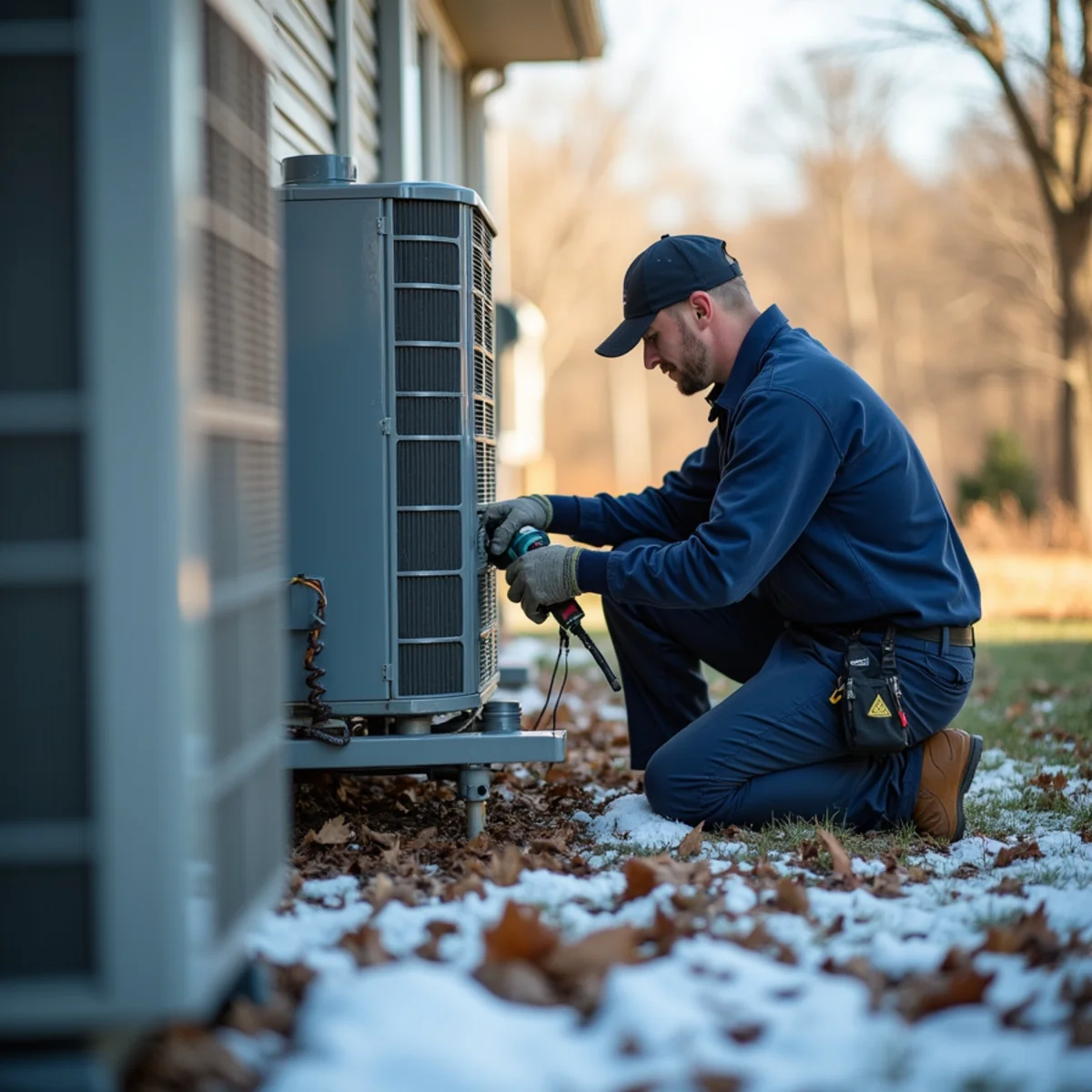

Drive from the Quakertown Historic District out toward the newer developments off Route 313 and you'll pass through roughly a hundred and twenty years of American home heating in about ten minutes. That's not an exaggeration — this ZIP code has Victorian homes still running on the same boiler technology installed when McKinley was president, ranch houses from the Eisenhower years with ductwork bolted in as an afterthought, and subdivisions built after 2000 with heat pumps as standard equipment. Knowing which era your house falls into tells you almost everything about what kind of system you're dealing with and what tends to go wrong with it.
Era One: Steam and Hot Water Boilers Downtown
The homes closest to the center of town, many of them inside or near the Quakertown Historic District, were built before forced-air heating existed as an option. These houses were designed around cast iron radiators fed by a boiler in the basement, either running true steam or hot water depending on when the system was last replaced. A lot of these boilers have been swapped out over the decades, but the distribution system — the radiators, the pipes, the venting — is often original or close to it. That means boiler repair in this part of town isn't just about the boiler itself; it's about diagnosing decades-old piping, radiator balance, and venting quirks that a technician unfamiliar with steam heat can genuinely make worse.
Era Two: The Mid-Century Forced-Air Boom
Ring the historic core and you hit the second era — solid, unfussy houses from the 1950s through the 1970s built with forced-air ductwork from day one. Furnaces in these homes have usually been replaced two or three times since original construction, but the ducts themselves are often the same sheet metal trunk lines from when the house went up. That's fine for heating, but a lot of these duct systems were never sized with cooling in mind, since central air was optional or added later.
Era Three: 2000s Construction and the Arrival of Heat Pumps
The newest wave of Quakertown-area housing, mostly built from the late 1990s onward, arrived right around the time heat pumps started making real sense for Pennsylvania winters. A lot of these homes were built all-electric or with a heat pump as the primary system and a small furnace or electric strips for backup on the coldest nights. If you're in one of these newer homes, heat pump services covers the bulk of what you'll ever need — refrigerant charge, defrost cycle issues, and the auxiliary heat kicking on more than it should.
Why One ZIP Code Has Three Completely Different Systems
Most towns settle into one dominant building era and stay there. Quakertown didn't, because it never stopped growing — it just kept adding rings of development outward from a colonial-era crossroads, and each ring brought whatever heating technology was standard at the time. It's also why a one-size-fits-all approach to HVAC service doesn't work well here — what's routine maintenance in one era's system can be a serious mismatch in another's.
Matching the Right Service to the Right Era
If you own one of the older homes near downtown, the priority is finding someone who still understands steam and hot water distribution, not just boiler replacement. If you're in a mid-century forced-air house, get the ductwork evaluated any time you're replacing equipment. And if you're in a newer heat-pump home, regular service matters more than people expect, because these systems run nearly year-round and a small refrigerant or airflow problem compounds fast. Knowing your home's era isn't trivia — it's the fastest way to ask for the right kind of help the first time.
Homes That Straddle Two Eras
Not every Quakertown property fits neatly into one category. Plenty of Victorian homes have had additions built decades later that bring in a completely different HVAC approach for the new square footage — a forced-air furnace serving an addition while the original rooms still run on steam radiators, for instance. Mid-century ranches sometimes got a heat pump bolted on as a supplemental system without ever replacing the original furnace and ductwork underneath. These hybrid setups are genuinely common in this area precisely because Quakertown's growth never stopped, and diagnosing a comfort complaint in one of these homes means understanding both systems and how they're meant to interact, not just the newer or more visible one.
What This Means When You're Buying or Renovating
If you're buying a home in this area, understanding which era's system you're inheriting helps set realistic expectations for near-term HVAC spending. A Victorian home with an aging original boiler and radiators that have never been rebalanced is a different financial picture than a heat-pump-equipped 2005 build. Renovations add another wrinkle — finishing a basement or converting an attic in an older home often means extending a system that was never sized for that additional square footage, which is exactly the kind of project where a proper load calculation matters more than matching whatever equipment is already there.