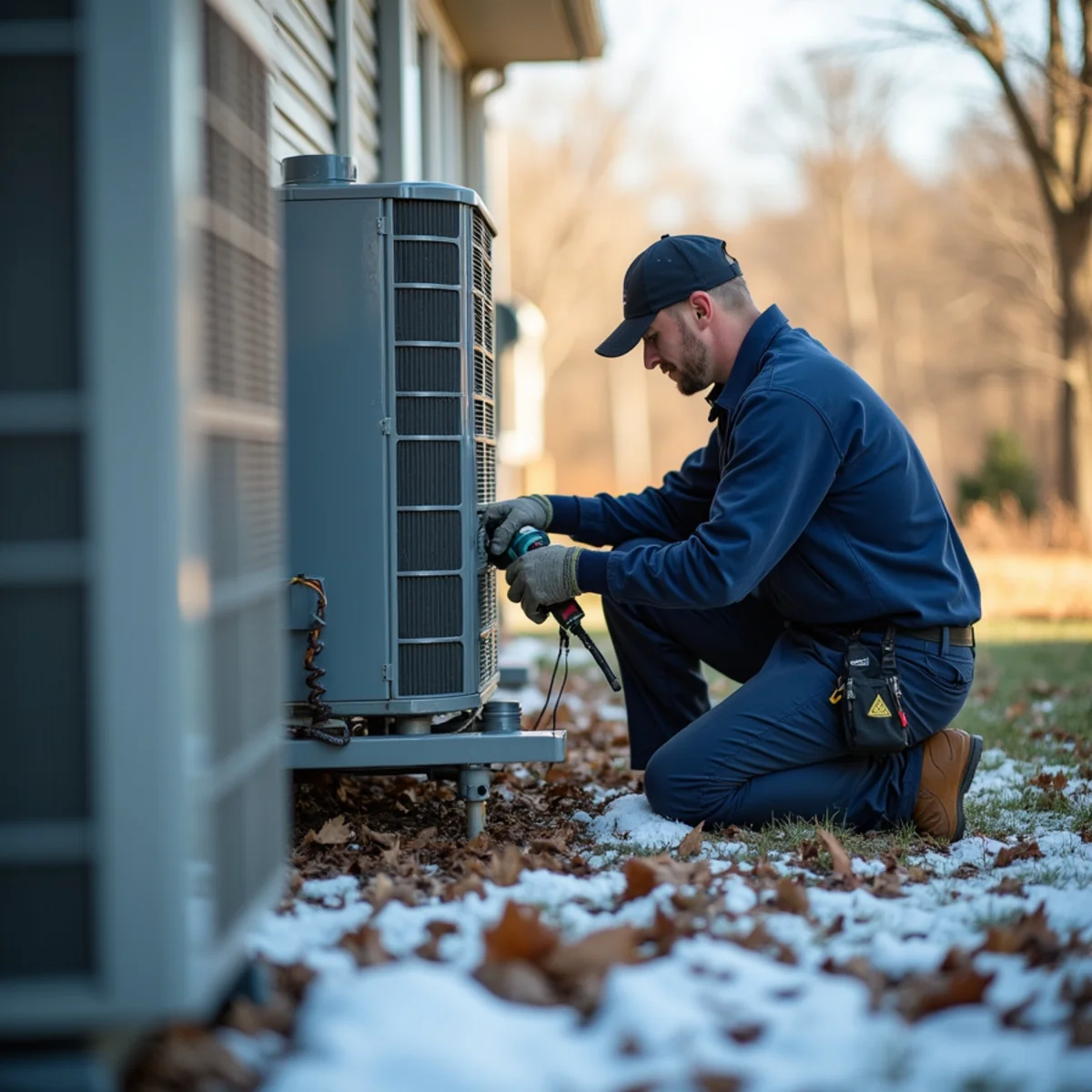
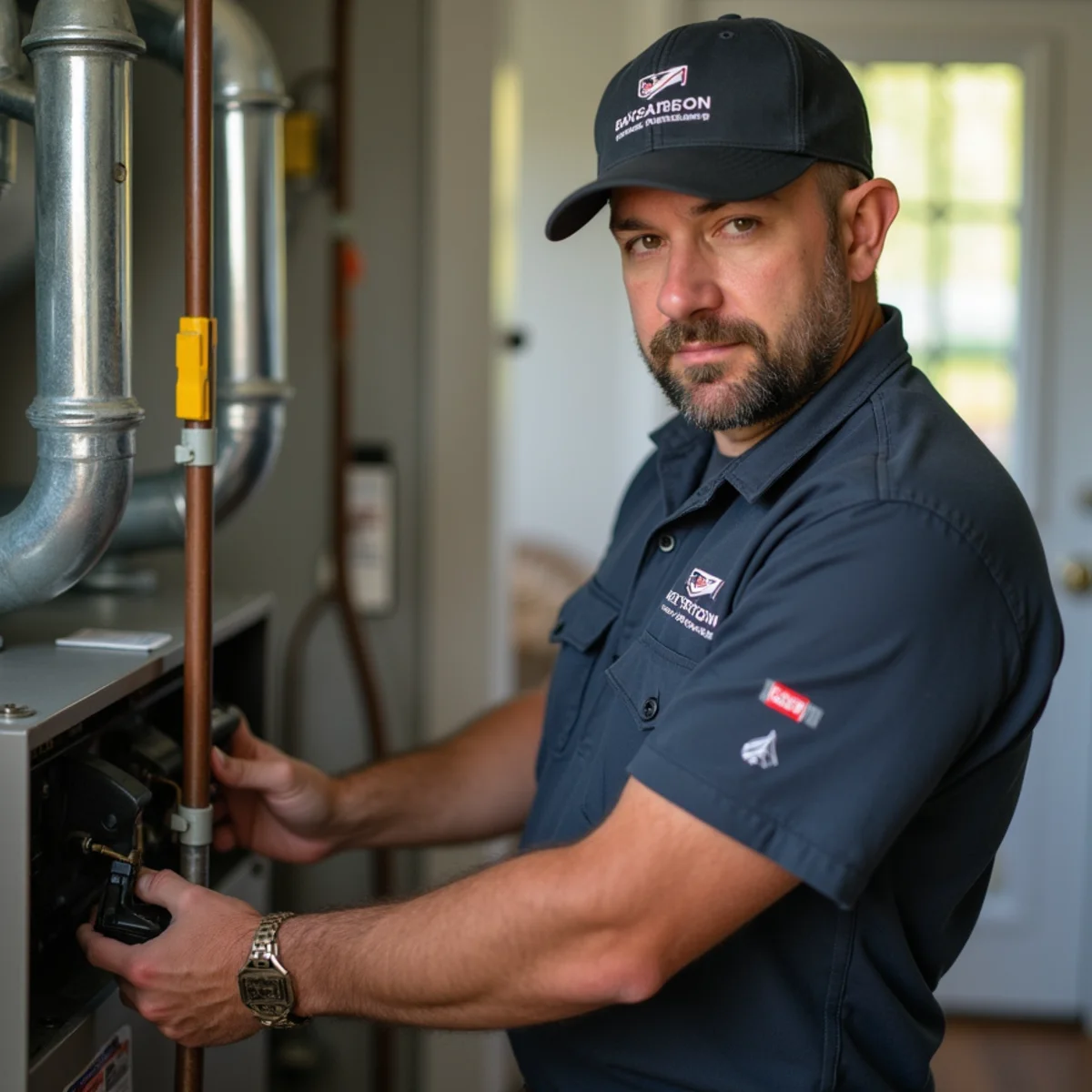
Every winter, at least one nor'easter parks itself over Upper Bucks County and doesn't leave for two or three days. Wind out of the northeast, driving snow or freezing rain, and — more often than the forecast ever mentions — a power outage that outlasts the storm itself. If you've lived in Quakertown for more than a winter or two, you already know the drill: the lights flicker around hour six, and by hour ten your furnace has gone quiet even though there's plenty of oil in the tank or gas at the meter.
Why a Nor'easter Isn't Just 'A Bigger Snowstorm'
A nor'easter gets its name from the direction the wind comes from as the storm spins counterclockwise off the coast, and that northeast wind is what makes these storms different from a typical clipper system passing through. Instead of blowing through in six hours, a nor'easter can sit and grind for a day and a half, loading tree limbs and power lines with an inch of ice or a foot of wet, heavy snow. Upper Bucks County has a lot of older overhead line running through wooded township roads, and that combination — old infrastructure plus ice-loaded trees — is exactly what takes the grid down for rural stretches of Richland, Haycock, and Milford Townships.
The Real Reason Quakertown Homes Go Cold: It's the Power, Not the Furnace
Homeowners tend to assume a heating failure during a storm means something broke inside the furnace. Most of the time, nothing broke at all — the utility company's lines came down a few roads over, and your house simply has no electricity. It doesn't matter whether you're burning natural gas, heating oil, or propane. Every standard furnace and boiler built in the last several decades needs 120-volt power to run the control board, the igniter, and the blower or circulator pump. Cut the power and the fuel just sits there, useless.
Oil, Gas, or Heat Pump — None of Them Run Without Electricity
This catches a lot of people off guard, especially folks who moved from a house with a wood stove or a truly ancient gravity-fed system. A propane furnace with a full tank will not fire without electricity. An oil boiler in one of the old steam-heat homes near downtown will not run its circulator without electricity. And a heat pump, obviously, is an electric appliance from top to bottom, so it goes down the instant the grid does. The only heating equipment that keeps working through an outage is something with a battery backup, a generator hookup, or a genuinely non-electric ignition source — and very few homes in Quakertown still have that.
What 12 to 48 Hours Without Power Actually Does to a House
A short outage, an hour or two, isn't going to hurt anything. The problem starts once you're past the six-to-eight-hour mark on a night when it's in the teens outside. Indoor temperatures drop fast in an older, less-insulated house — some of the Victorian-era homes near the historic district can lose 15 to 20 degrees overnight with no heat source running. Once a home's coldest points — a rim joist, an exterior wall, a pipe run in an unheated crawlspace — drop below freezing, you're gambling on whether a pipe splits. Basements along low-lying stretches near Licking Run are particularly exposed, since drainage issues in those areas already keep things cold and damp before a storm ever shows up.
Getting Your System Ready Before the Next Nor'easter
- Have a licensed electrician install a manual transfer switch if you're planning to run a portable generator, so you can power the furnace's control board and blower safely
- Keep pipe insulation or heat tape on any exposed plumbing runs in crawlspaces, garages, or basement rim joists
- Bleed steam radiators and check boiler water levels before the season gets going, since a low-water cutoff will keep an old boiler from firing even once power is restored
- Stock extra fuel — a full oil tank or propane tank buys you time once power comes back and the system needs to catch the house back up
- Know where your system's reset button and shutoff valve are before you need to find them in the dark
When It's Time to Call for Emergency Heat
If a storm has knocked your system out and it isn't just the power — meaning the lights are back on but the furnace still won't fire, or you're hearing it try and fail — that's usually a sign something inside actually failed, often a control board or igniter that didn't like the power surge when the grid came back up. That's when you need emergency HVAC repair rather than another day of waiting it out. We run calls across Upper Bucks during and after every major storm, and we know which roads in Bucks County tend to lose power first and stay dark longest, which helps us plan ahead for where the next call is likely coming from. If your pipes did freeze during the outage, our frozen pipe and heat outage team handles both the thaw and the underlying heating failure together, rather than treating them as two separate problems.