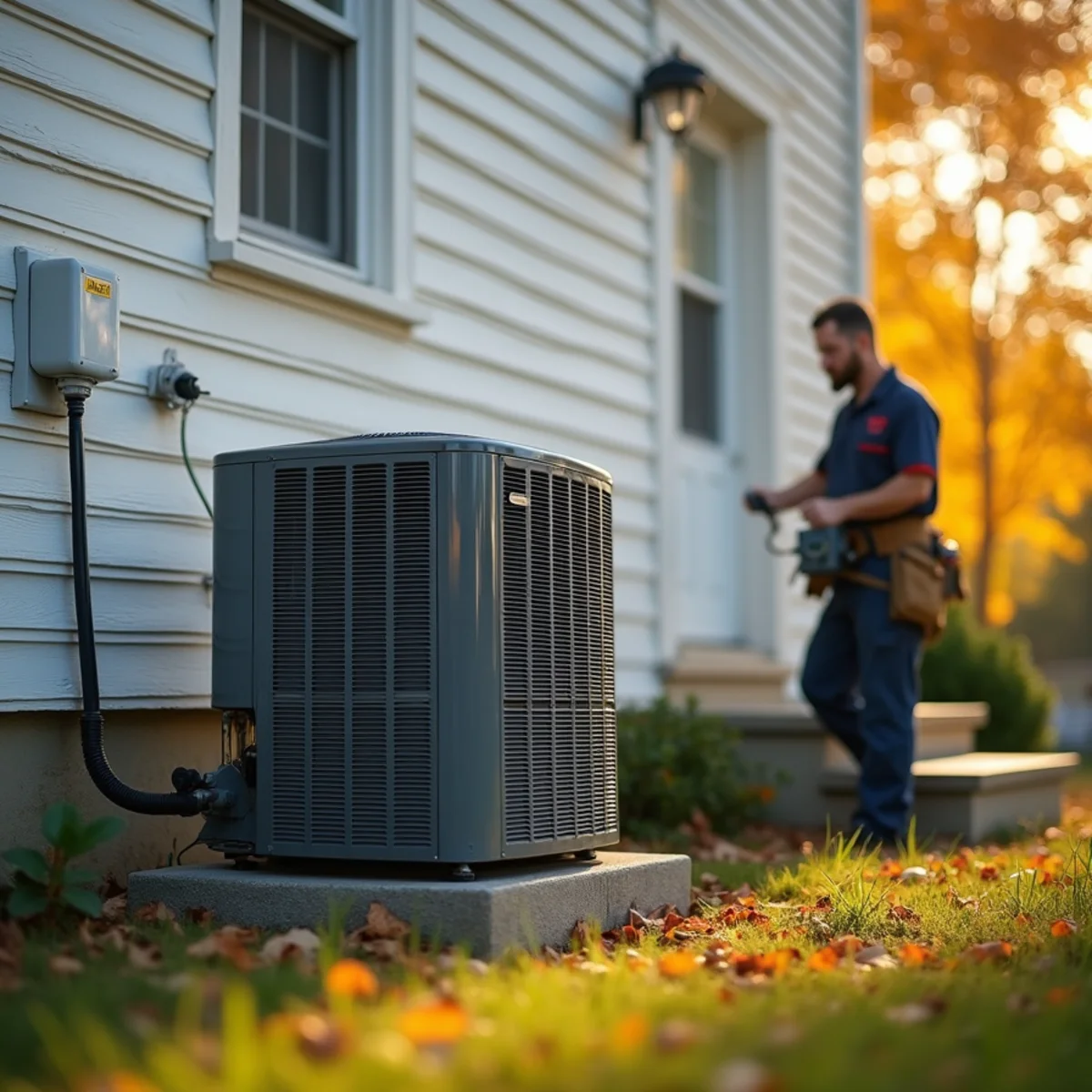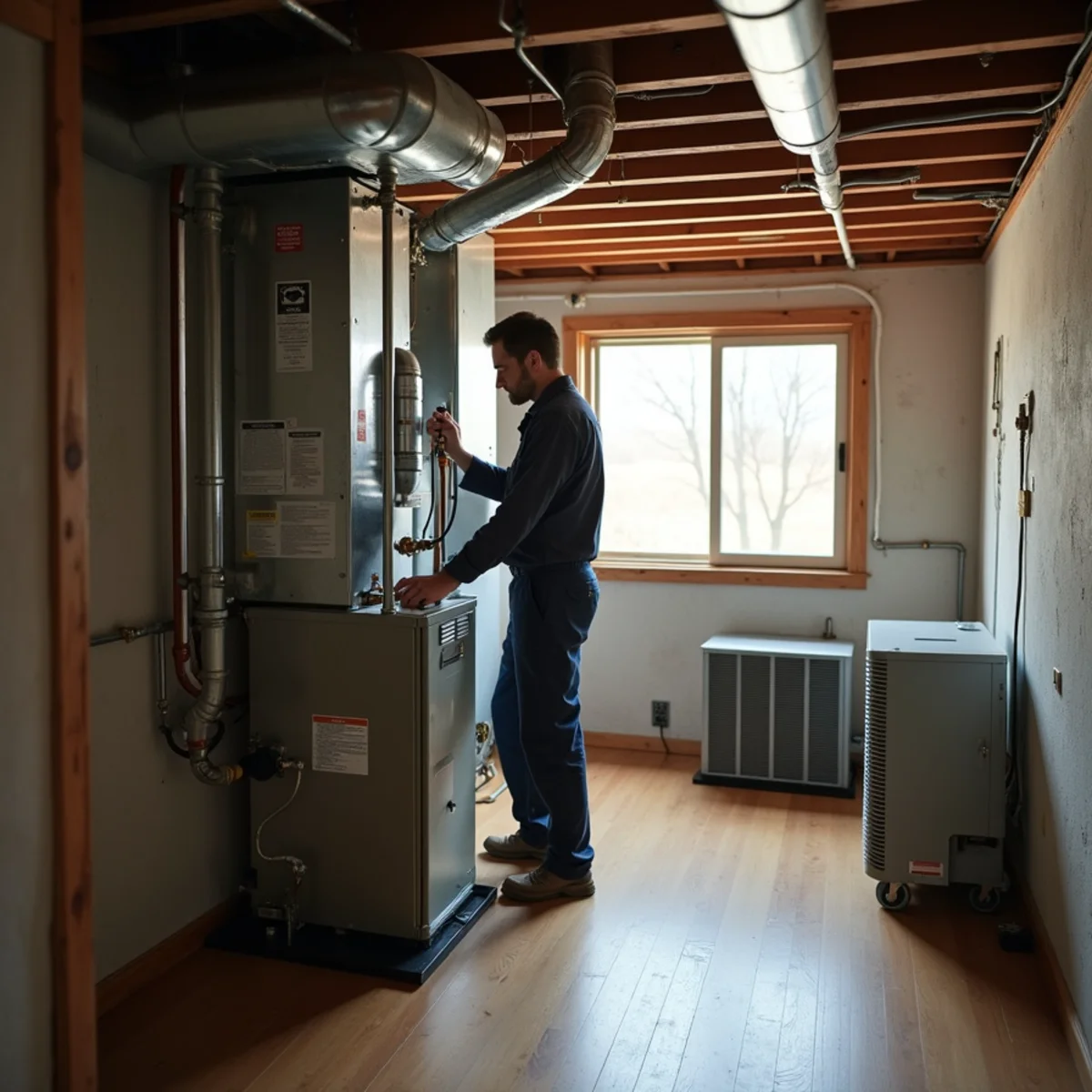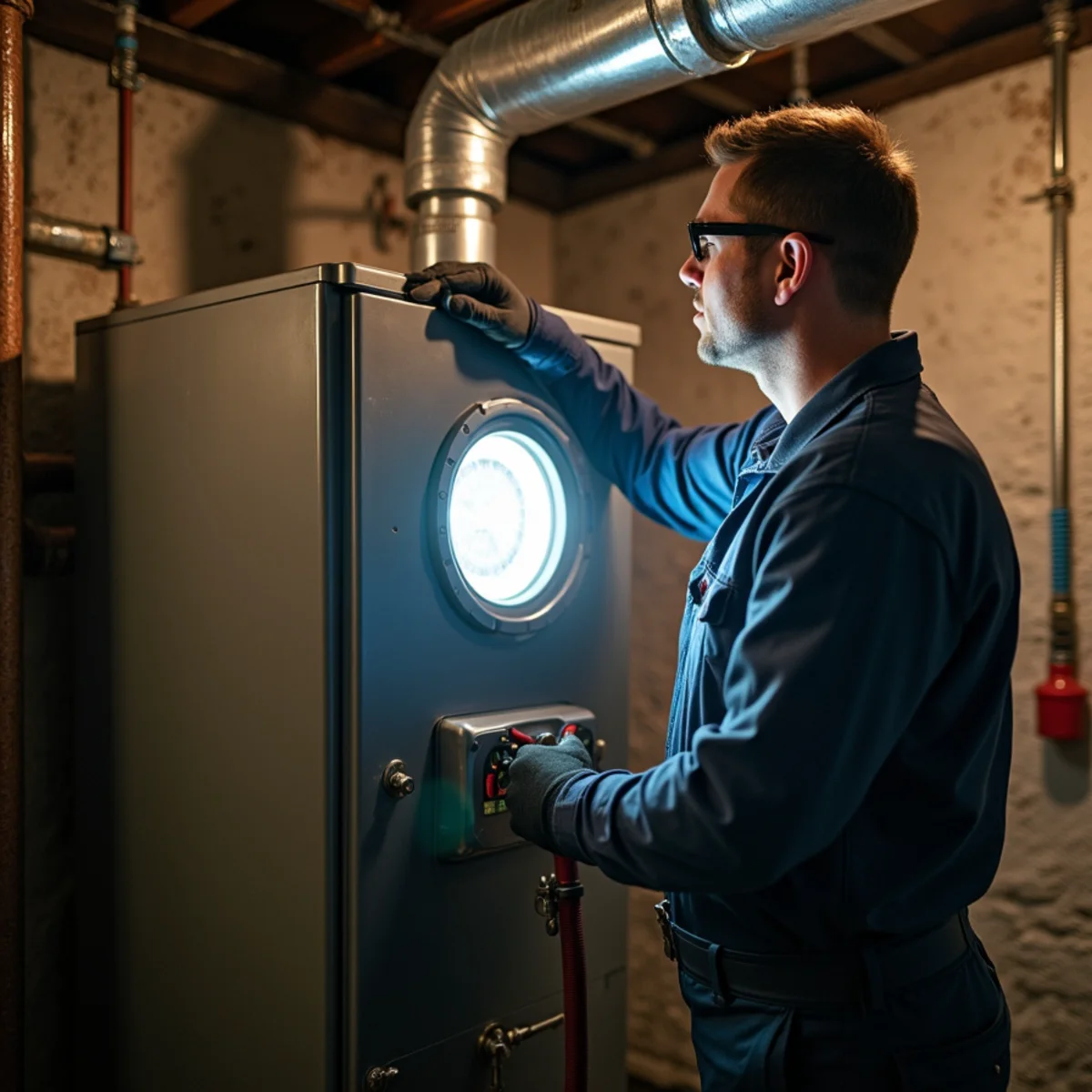
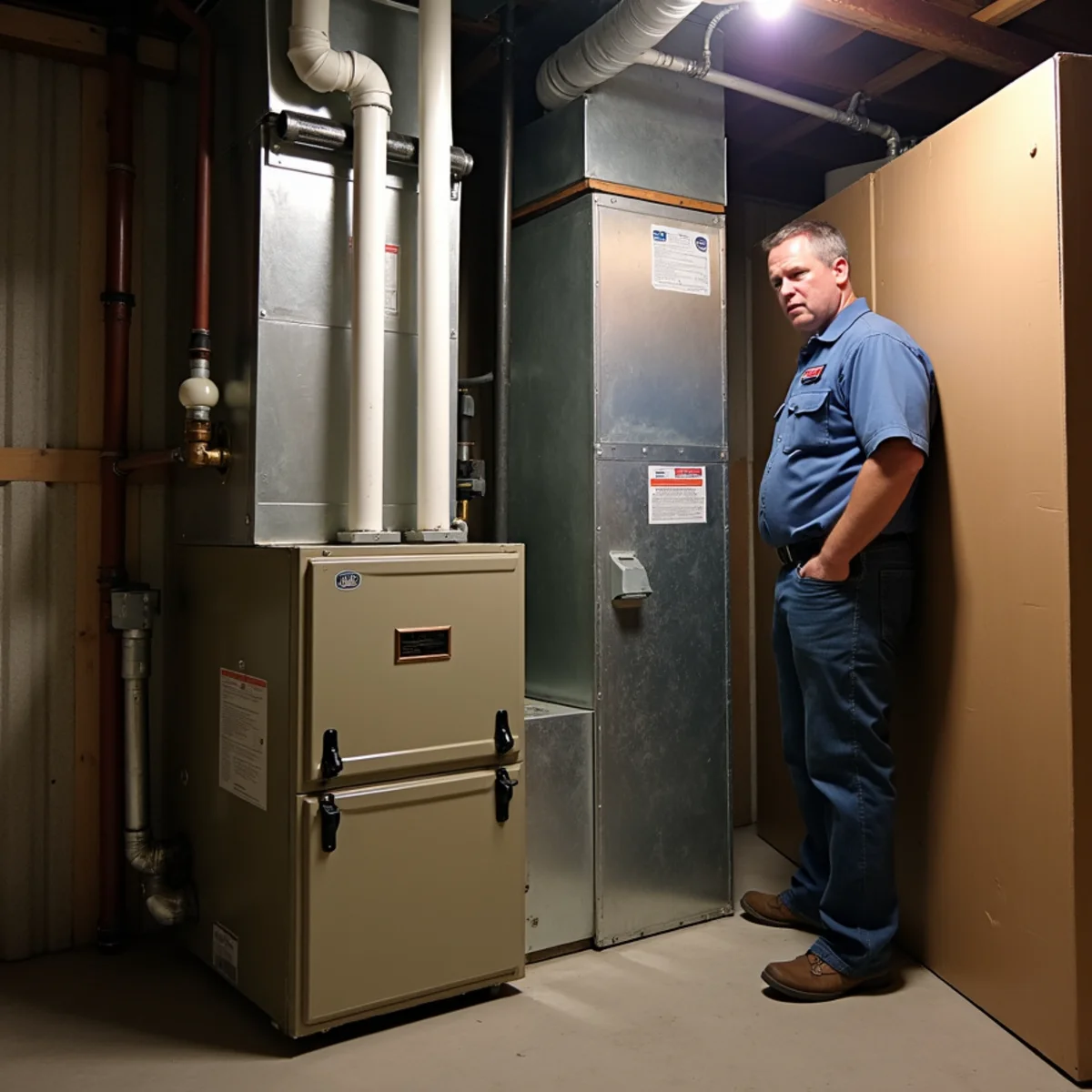
Furnaces last a long time, but not forever, and the question usually comes up when one fails or when the system is old enough that you wonder. The honest answer is a range, and what puts a furnace at the low or high end of it has a lot to do with installation, maintenance, and the house it serves.
Typical Lifespans
As a general guide, gas furnaces commonly last about 15 to 20 years. Oil furnaces often last similarly or somewhat longer, and electric furnaces are in the same range. These are typical ranges, not promises. A furnace that was oversized, poorly vented, or never maintained can fail early, and a well-maintained one can run beyond the range.
Boilers have different timelines, often longer than furnaces for cast-iron units, which is why a 30-year-old boiler isn't unusual in older Quakertown homes. See our boiler replacement guide for that decision.
What Shortens or Extends a Furnace's Life
- Maintenance: annual tune-ups catch worn parts and dirty burners before they cause bigger failures. See the fall furnace tune-up checklist.
- Filter changes and airflow: restricted airflow overheats the heat exchanger and shortens its life.
- Sizing: an oversized furnace short-cycles, which causes extra wear. See short cycling.
- Installation quality: venting, gas pressure, and duct design matter.
- Environment: dust, humidity, and corrosive household chemicals can accelerate wear.
Warning Signs It May Be Time
- The furnace is 15 or more years old and needs repairs more often than it used to
- A cracked heat exchanger, which is a safety issue and often a replacement-level repair
- Rising heating bills without a change in usage
- Uneven heating, frequent cycling, or loud noises such as banging, rattling, or squealing
- Yellow or flickering burner flame instead of a steady blue on a gas furnace, or soot around the unit
- Carbon monoxide detector alarms or symptoms that improve when you leave the house
Carbon monoxide is an emergency. If a detector sounds, leave and call 911. See carbon monoxide warning signs.
Repair or Replace
A furnace repair is worth it when the equipment is in its normal life and the failed part is a single wearable component such as an igniter, sensor, or motor. Replacement deserves serious pricing when the repair is major (a cracked heat exchanger or failed control system), when repairs are frequent, or when efficiency and comfort are poor. Our furnace repair cost guide explains what drives repair cost.
When You Replace, Do It Properly
Replacement is a chance to correct sizing and duct problems. A new furnace should be sized from a load calculation, not copied from the old nameplate, and the ductwork should be checked. Our furnace installation service starts with that evaluation, and if you're also considering a heat pump, see heat pump versus furnace.
Don't Wait for a January Failure
Heating equipment tends to fail when it's working hardest. If your furnace is old and showing warning signs, planning replacement in fall gives you time to compare quotes and schedule installation at your convenience. If it fails in the middle of winter, we're here for emergency furnace repair too.