Carbon monoxide doesn't announce itself. No smell, no color, no taste — the only warning most families get is a headache that feels a little like the flu, and by the time several people in the house have it, something's already gone wrong. Every winter, furnaces, water heaters, and fireplaces produce carbon monoxide as a normal byproduct of combustion, and normally it vents outside without incident. Problems start when venting fails, and Quakertown's mix of older heating systems and tightly sealed newer construction both create their own version of that risk.
The Symptoms That Should Make You Suspicious
Low-level exposure mimics common illness closely enough that people miss it for days. Watch for these patterns, especially if they affect multiple people in the house at once or improve when everyone leaves:
- Headache that doesn't respond to usual remedies, especially a dull pressure across the forehead
- Dizziness or a sense of confusion that doesn't match how you'd normally feel
- Nausea, especially without other stomach symptoms
- Unusual fatigue or drowsiness during the day
- Symptoms that ease up when you leave the house and return within hours of coming back
Pets often show symptoms before people do, since they're smaller and closer to the floor. A dog or cat that seems unusually lethargic or sick for no clear reason is worth taking seriously during heating season.
Equipment Warning Signs, Not Just Body Signs
Your symptoms are the last line of defense, not the first. Pay attention to what your heating equipment is telling you before it ever gets to that point:
- Yellow or flickering burner flame instead of a steady blue one on gas appliances
- Soot or dark staining around a furnace, water heater, or fireplace
- Excess moisture or condensation on windows near a fuel-burning appliance
- A chimney or flue pipe that's rusted, disconnected, or has visible gaps
- A persistent stale, stuffy odor near heating equipment
What to Do the Moment You Suspect It
If your detector sounds, or you notice several of these signs together, get everyone out of the house immediately, including pets. Don't stop to open windows, don't go looking for the source, don't try to shut off the furnace yourself. Go outside, then call 911 or your gas utility's emergency line from a safe distance. Let first responders confirm the air is safe and identify the source. This is not a situation to troubleshoot yourself under any circumstances — carbon monoxide can impair judgment before you even realize exposure is happening, which is exactly why so many exposure cases involve people who tried to "just check one thing" first.
Detectors Are Non-Negotiable, Not Optional
A working carbon monoxide detector on every level of the house, and near sleeping areas specifically, is the single most effective thing a household can do. Test units monthly and replace batteries on a set schedule, and replace the whole unit every five to seven years since the sensors degrade over time even if the alarm still beeps during a test. If your home doesn't have detectors near every bedroom, that's worth fixing this week, not after the next cold snap.
Why This Matters More in Certain Homes
Older homes throughout Bucks County with converted heating systems, aging chimneys, or additions that changed airflow patterns are more prone to venting problems than newer construction. At the same time, newer, tightly sealed homes create a different risk: less natural air exchange means carbon monoxide concentrations can build faster once something does go wrong, because there's less leakage to dilute it. Neither type of home is immune, which is part of why annual equipment inspections matter regardless of age. A technician checking your system's carbon monoxide safety as part of routine maintenance can catch a cracked heat exchanger or failing flue connection long before it becomes a symptom in your house.
Making This Part of Your Winter Routine
Test your detectors when you change your clocks, keep flue and chimney connections visible and unobstructed by furniture or storage, and get your fuel-burning equipment inspected annually rather than waiting for a problem to announce itself. Carbon monoxide safety isn't a one-time checklist item — it's a habit that has to survive every heating season for as long as you own the house. If you're overdue for that inspection, pairing it with seasonal HVAC maintenance means a technician is already looking closely at your combustion equipment and flue connections while they're in the house for something else.
What a Combustion Safety Inspection Actually Involves
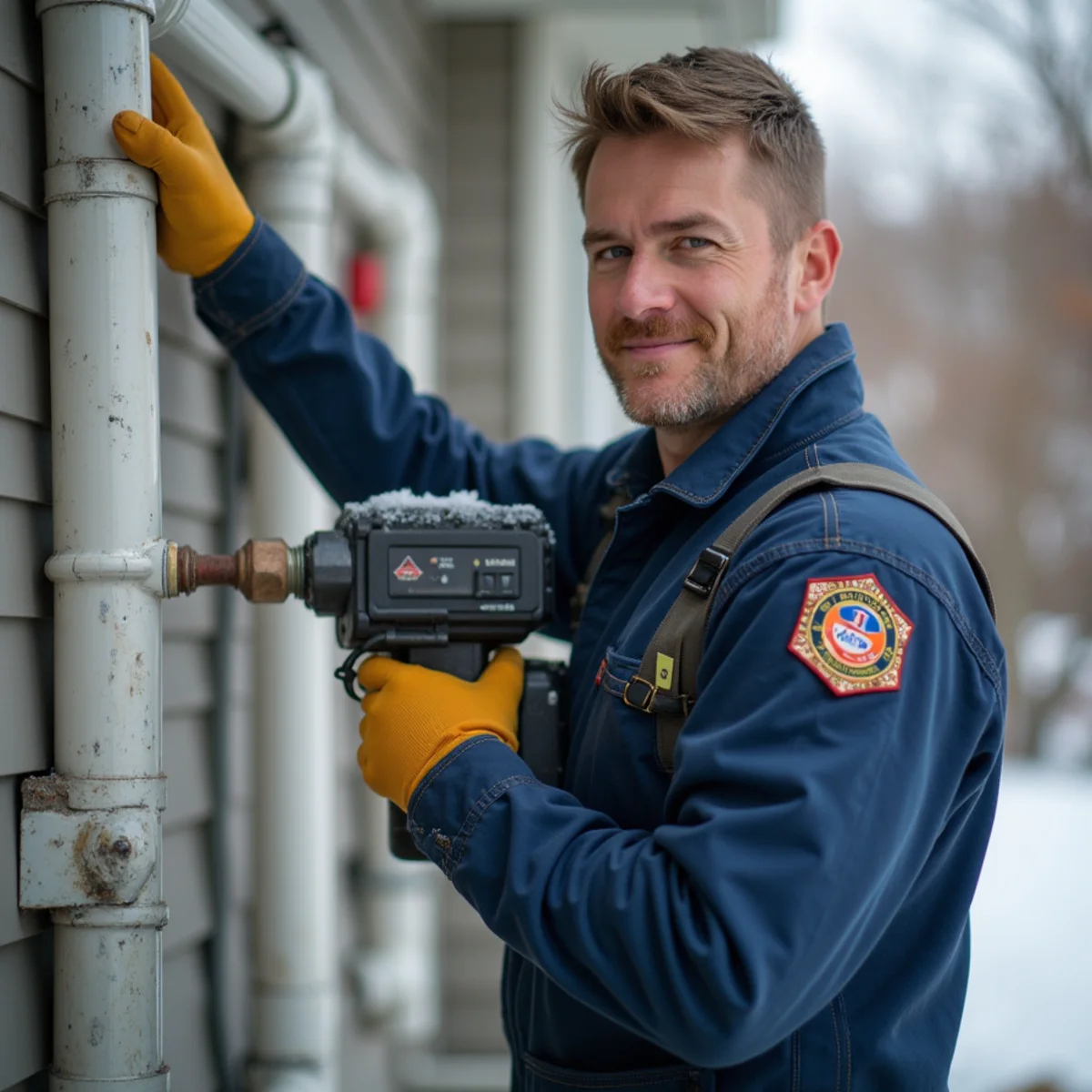
A proper inspection goes beyond a visual check of the furnace. A technician measures actual CO levels at the equipment, checks draft and venting under real operating conditions rather than just looking for obvious rust or gaps, and verifies the heat exchanger isn't cracked using tools that can catch what a flashlight and a quick glance would miss. This kind of testing is why an inspection from a licensed technician catches problems that a homeowner's visual walk-through simply can't, even a careful one.