Put a carbon monoxide alarm on every level of your home and outside each sleeping area, test it monthly, and replace it according to the manufacturer's date, commonly somewhere between five and ten years. If an alarm sounds a continuous alarm pattern, get everyone outside into fresh air and call 911. Do not try to find the source yourself.
That is the short version. Here are the details that make the difference between a detector that protects you and one that just sits on the wall.
Where to Place Carbon Monoxide Alarms
The Consumer Product Safety Commission recommends CO alarms on every level of the home and outside sleeping areas. The aim is that the alarm wakes you. In a typical house that works out to:
- One in the hallway just outside the bedrooms, or one in each bedroom if you prefer
- One on each additional floor, including the basement
- One on each level of a finished attic or a separate living area
Follow the instructions that came with your model for mounting height. Some are made for plug-in outlets, some for walls, and some for ceilings. CO mixes with the air and does not collect only at the ceiling or only at the floor, so the manufacturer's directions rule.
Do not put an alarm where it can be blocked or where the air is unusual. That means behind furniture or curtains, right next to a heating vent or a window, in a humid bathroom, or directly beside a fuel-burning appliance, where a brief start-up puff can cause a nuisance alarm. In a basement with a furnace, boiler or water heater, place the alarm on the wall or ceiling a reasonable distance from the equipment, as the manual directs.
Power and Backup
Plug-in alarms with battery backup, hardwired alarms with battery backup, and sealed battery models all exist. Backup is important because carbon monoxide risk rises during winter storms and power outages, when people use generators, stoves and portable heaters. Our guide to ice storms and power outages covers the cold-weather setups where this comes up. CPSC also recommends interconnected alarms so that when one sounds, they all do.
How to Test Your Alarm
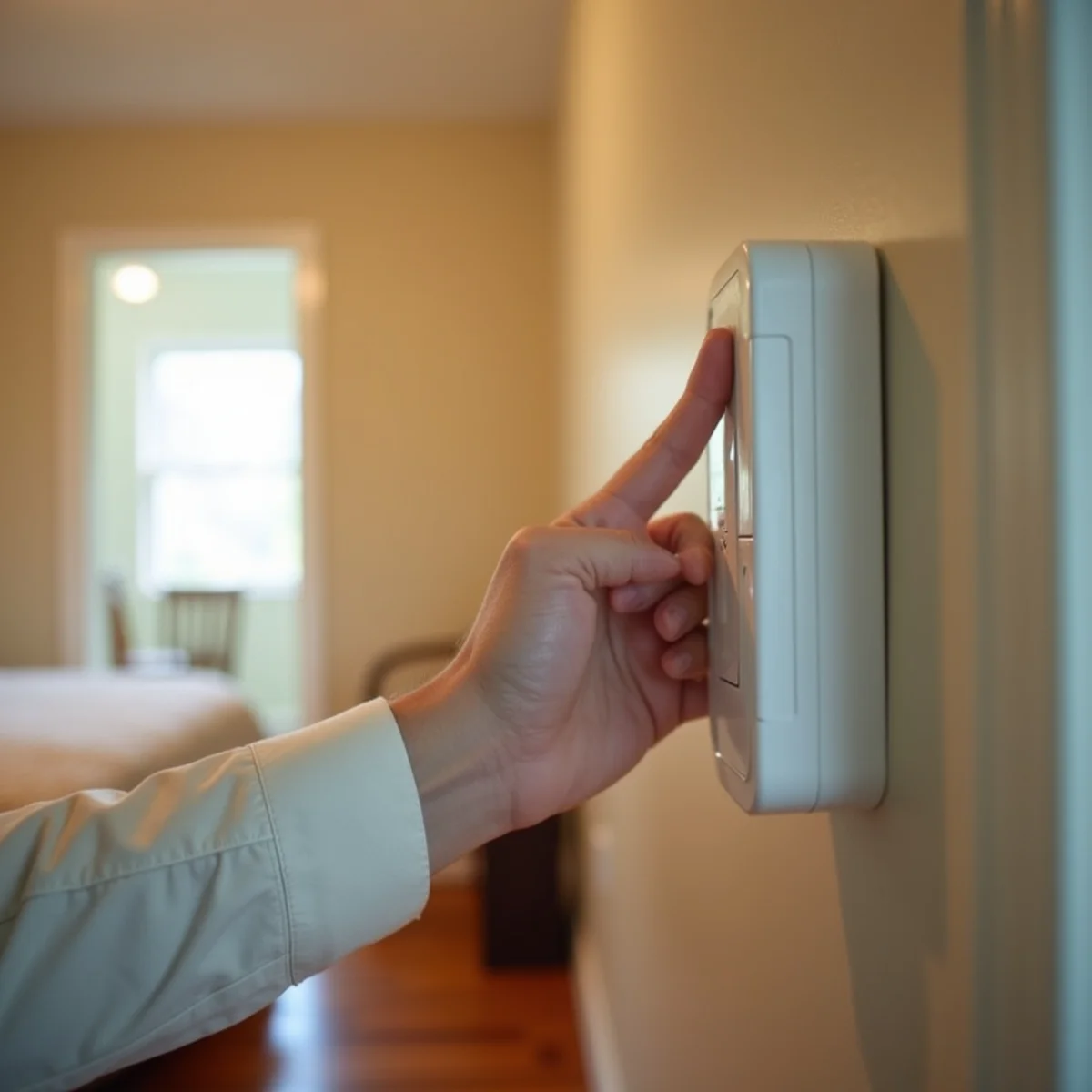
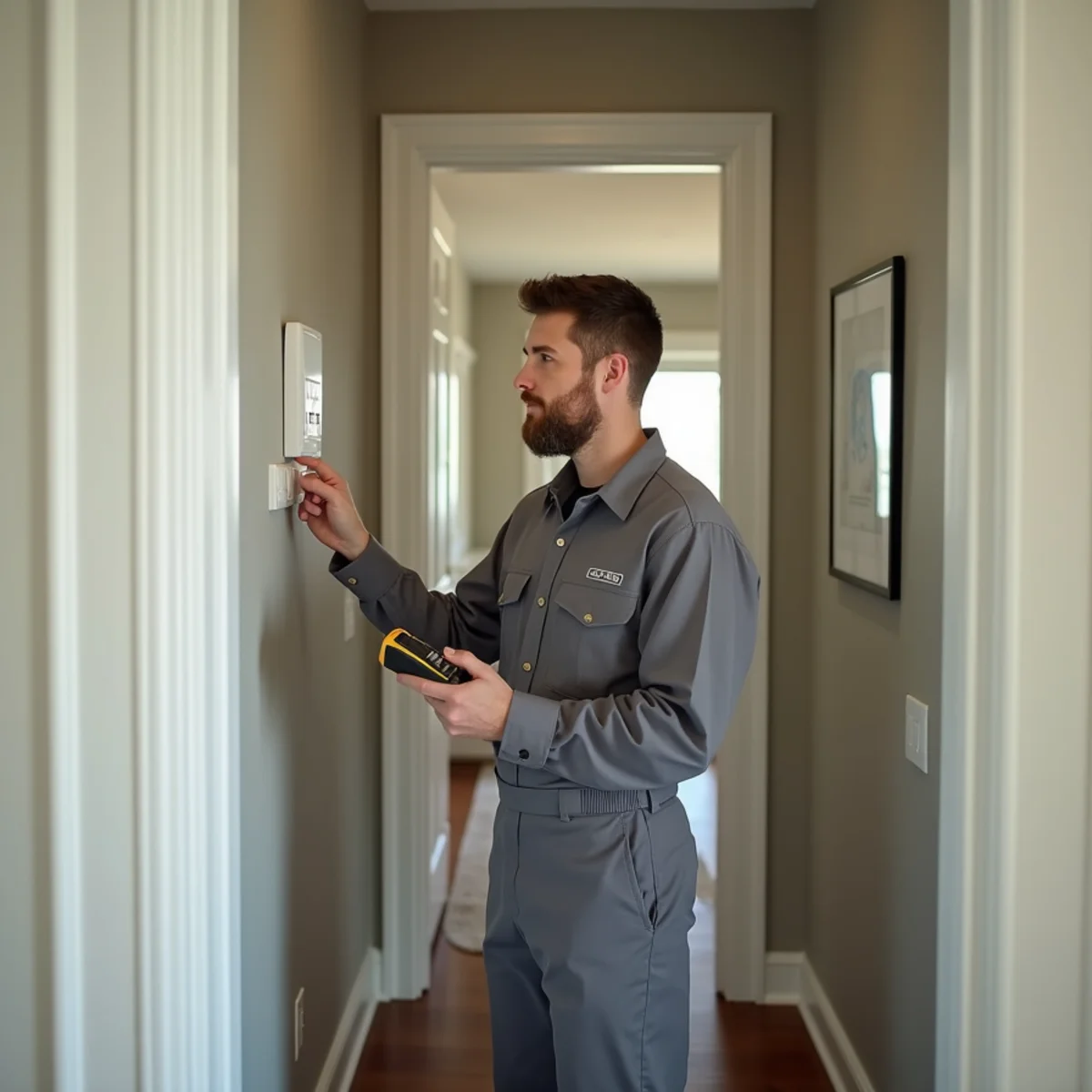
Test every alarm monthly. Press and hold the test button until the alarm sounds, and make sure it is loud. A good routine is to pick one day, such as the first of the month, and check every unit. The test button checks the electronics and horn, but it does not confirm that the sensor is accurately detecting carbon monoxide. For that reason, keep an eye on the age of the unit, and do not rely on the button alone.
Gently vacuum the vents on the alarm once in a while so dust does not clog them, and do not spray cleaners or paint on it. Replace batteries on the schedule the manufacturer gives, or whenever the unit chirps.
Chirp or Alarm: Know the Difference
Alarms use different sound patterns for different things, and the patterns vary by brand. In general:
- A repeated loud alarm pattern, often four beeps and a pause, means carbon monoxide has been detected
- A single chirp every 30 to 60 seconds often means a low battery
- A different chirp pattern, sometimes a set of chirps, usually means the alarm is at the end of its life or has a fault
Check your model's manual or the label on the back to see which pattern means what. If you cannot tell the difference, treat it as an emergency alarm first.
Replacing Old Alarms
The sensor in a CO alarm wears out. Many units are rated for five to seven years, others up to ten, and newer ones have an end-of-life signal. Look at the label for a replace-by or manufacture date, write the install date on the unit if there is none, and replace the whole alarm, not just the battery, when the time comes. If you have moved into a house and have no idea how old the alarms are, replacing them is cheap insurance.
What to Do When It Alarms
CPSC's advice is simple: move outside to fresh air immediately, call 911, and do not go back in until emergency responders say it is safe. Do not stop to open windows or look for the source. If someone is dizzy, nauseated, has a headache or is confused, say so when you call, because those can be symptoms of carbon monoxide poisoning. See our guide to carbon monoxide warning signs.
If the alarm goes off again within a day after you have been cleared back in, repeat the steps and have a qualified technician inspect the equipment before using it.

Where Carbon Monoxide Comes From
Carbon monoxide is produced when fuel burns incompletely, and it has no smell, color or taste. In a home, the sources include:
- Gas and oil furnaces and boilers with cracked heat exchangers, blocked flues or poor combustion
- Water heaters that vent poorly
- Portable generators run in a garage, near a window or in the house, which are a leading cause of deadly poisonings
- Cars left running in an attached garage, even with the door open
- Charcoal grills, camp stoves and portable fuel heaters used indoors
- Blocked or damaged chimneys and fireplaces
The best prevention is regular servicing of fuel-burning equipment. A furnace tune-up includes checking combustion and venting, and our guide on oil furnace annual service explains what that involves for oil burners. For boilers, see boiler pressure too high or too low for the signs of trouble you can see.
Getting a Safety Check
A detector is a last line of defense, not a substitute for inspection. If an alarm has gone off, or you simply want your equipment checked, our carbon monoxide safety inspection looks at furnaces, boilers and venting, and our HVAC maintenance visits cover regular upkeep. If a furnace has been behaving strangely, furnace repair is the next step. Gas smell or an alarm in the middle of the night is an emergency: leave first, then call.