An oil furnace should be serviced once a year, ideally before the heating season starts. During that visit the technician replaces the parts that wear out, cleans the soot off surfaces where heat is transferred, tests the combustion, and checks the flue and the fuel system. Skipping a year usually means a dirtier burner, a harder start-up, and a higher chance of a no-heat call on the first cold night.
Oil heat is common in Upper Bucks, particularly on streets without a gas main and in older homes that were never converted. If that describes yours, this is what a good annual service looks like.
Why Annual Service Matters
Oil does not burn as cleanly as gas, and the burner works by spraying a fine mist of fuel through a tiny nozzle opening. When that opening wears or clogs, or when the air and fuel are off balance, the flame burns incompletely and produces soot. Soot coats the heat exchanger, which makes the furnace work harder and can eventually restrict the flue gases. A yearly service keeps the mix right and removes buildup before it becomes a problem.
It is also a safety item. Incomplete combustion makes carbon monoxide, and a blocked or cracked flue path can send it into the house. See our guide on carbon monoxide warning signs and make sure the detector placement in your home is right.
The Parts That Get Replaced
Several components are routinely replaced rather than cleaned:
- The nozzle, which sprays the oil and wears with use, commonly replaced every year or two
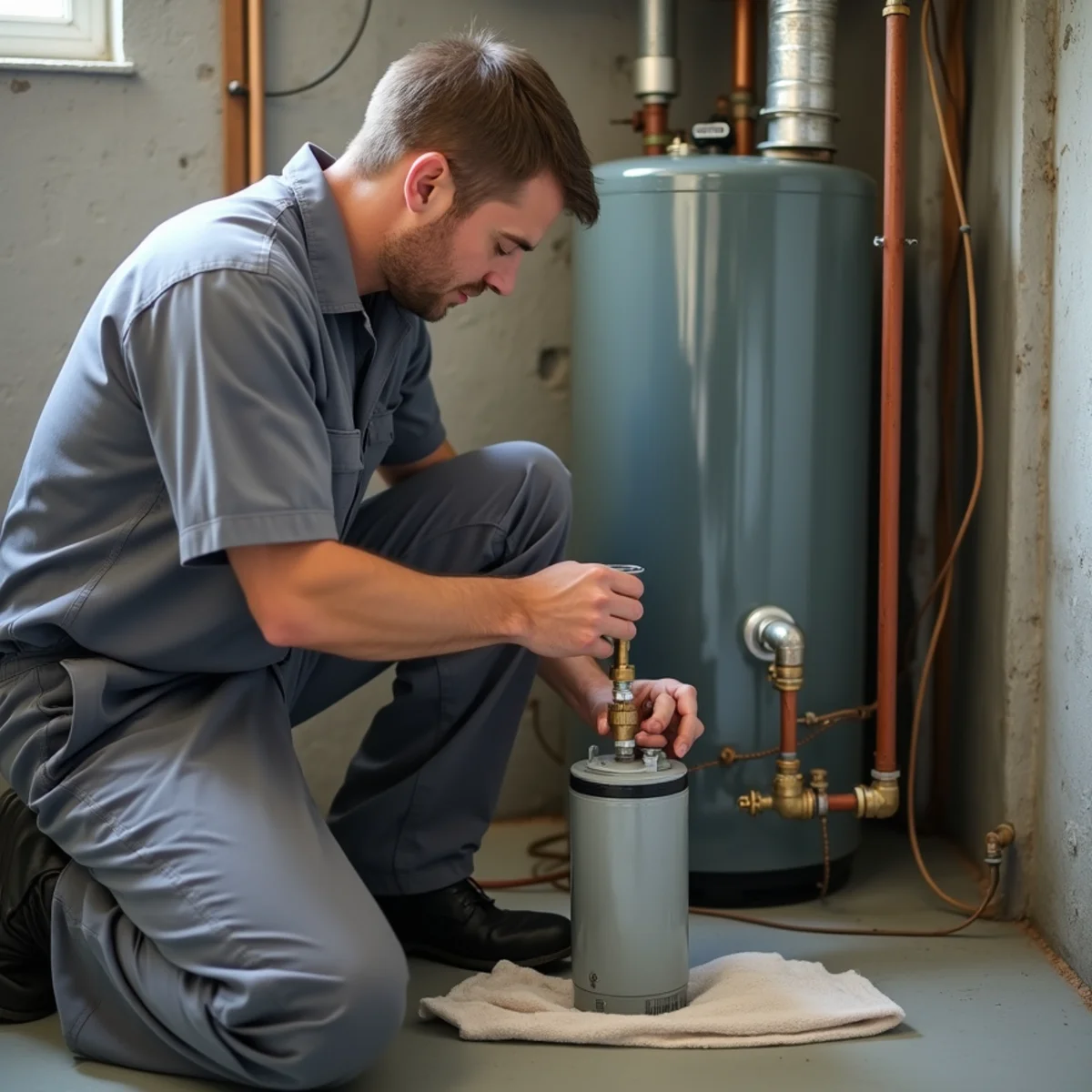
- The oil filter, which protects the nozzle and pump from sludge and rust
- The pump strainer, which is a second line of defense inside the pump
- Sometimes the electrode tips and gaskets, depending on condition
Fuel quality varies, and old tanks can contribute sludge. Replacing the filter each year is cheap protection against a stalled burner.
Cleaning and Inspecting the Furnace
The technician removes the burner, vacuums the combustion chamber and the heat exchanger passages, and inspects the chamber lining for cracks. Soot and scale on the heat exchanger act like insulation and cut heat transfer. The inspection also includes checking the heat exchanger for cracks or holes where flue gas could leak into the airstream, though a cracked heat exchanger on an oil furnace is determined by the technician with appropriate tools, not by a homeowner.
The blower is also checked: the wheel is cleaned, the motor and belt (if there is one) are inspected, and the air filter is changed. See our furnace tune-up checklist for the parts of the service that apply to any type of furnace.
Combustion Analysis
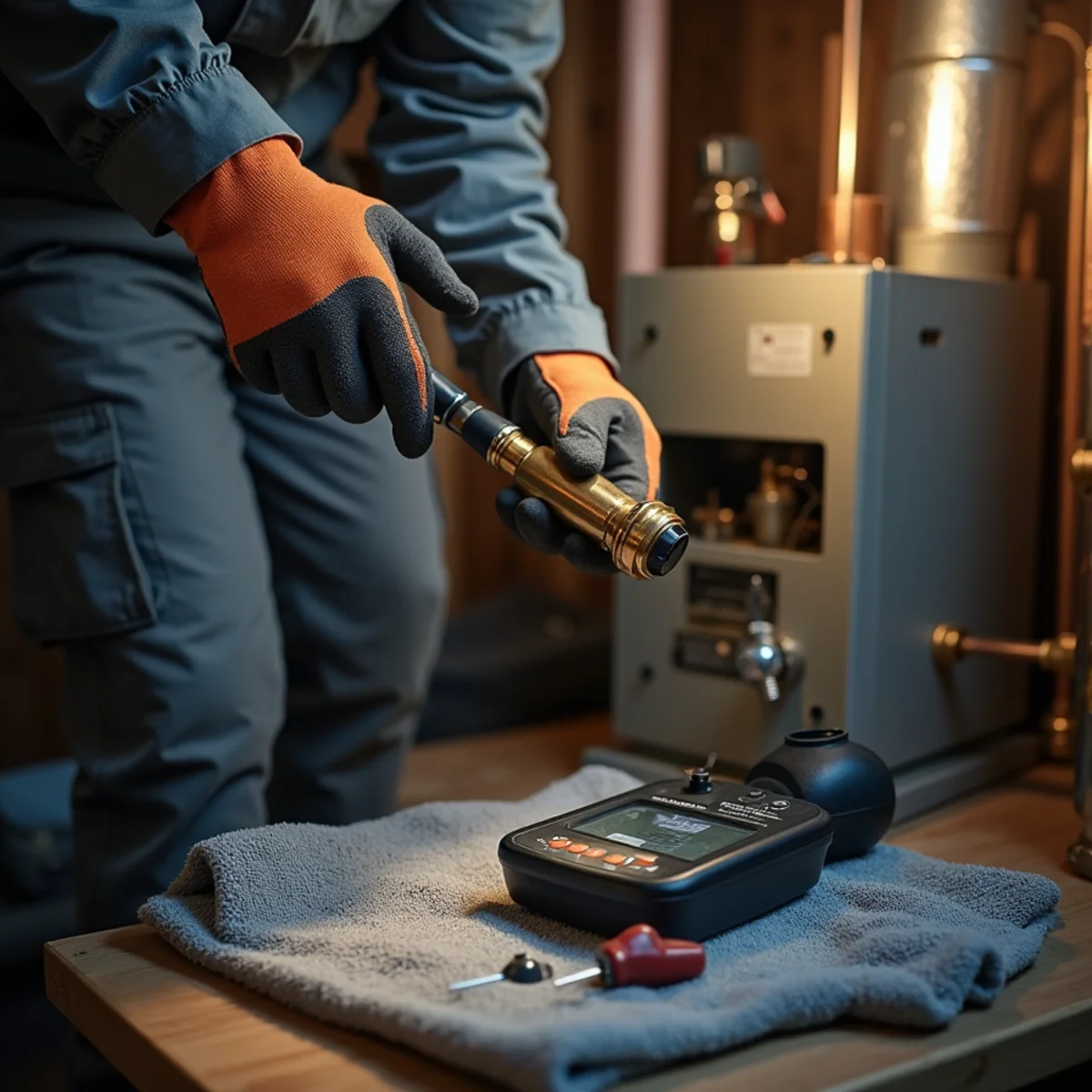
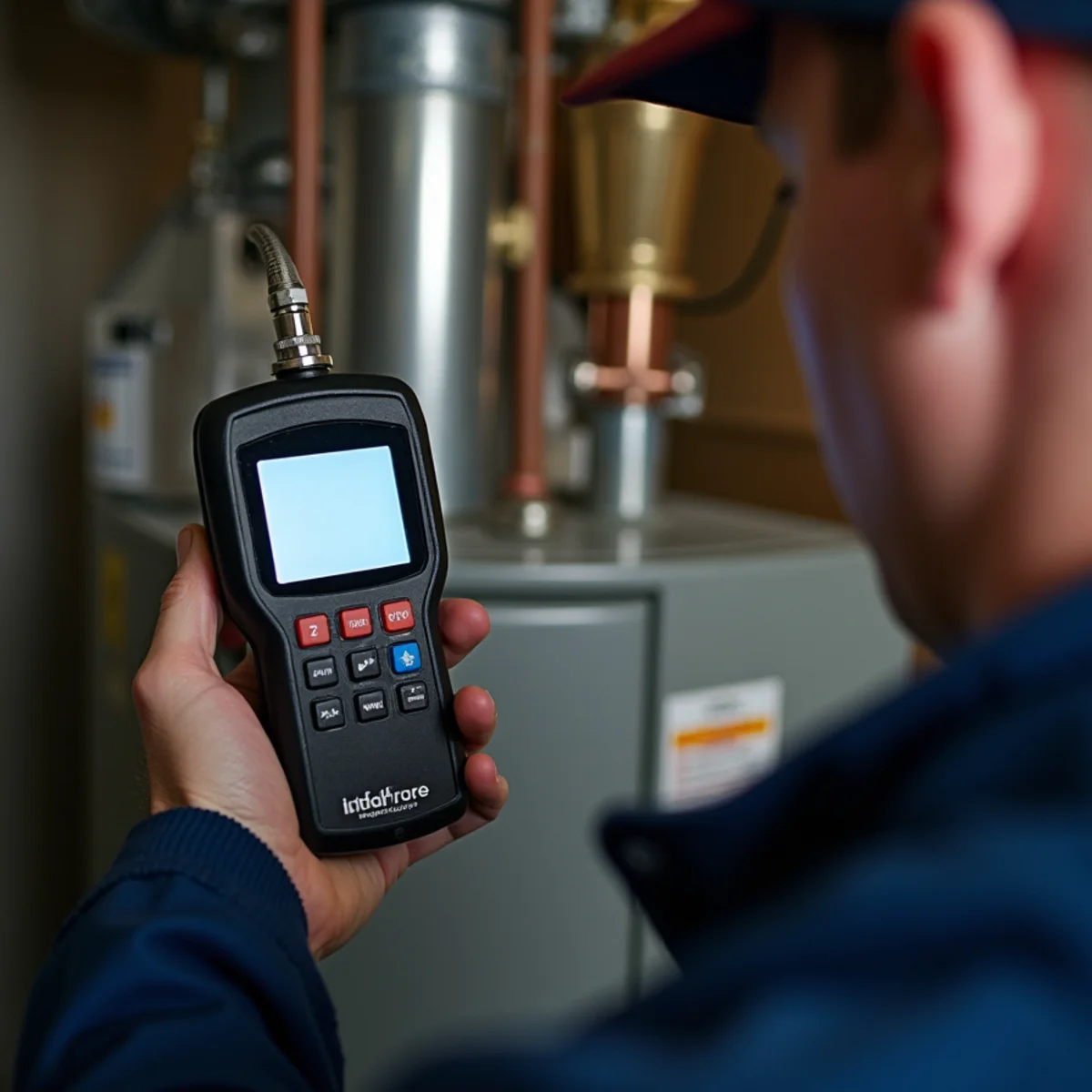
After cleaning, the technician fires the burner and tests it with a combustion analyzer. This instrument measures things like carbon dioxide or oxygen in the flue gas, stack temperature, and carbon monoxide. A smoke test checks how much soot the flame is producing. The technician then adjusts the air supply and checks the fuel pressure and the draft so the flame burns cleanly and the furnace is efficient. This step is what separates a real tune-up from a quick vacuum and filter swap, so it is fair to ask whether your service includes one.
Flue, Chimney and Draft
The flue connector and chimney carry combustion gases outside. The technician checks the connector for rust, holes and loose joints, checks the draft, and looks for signs of blockage or leakage. Oil flues often need a periodic cleaning of the connector and a chimney inspection, particularly if the chimney is masonry and the furnace was changed or the liner is old. If you have had a lot of soot, a chimney sweep may be part of the answer. Any sign of exhaust leaking into the house is a stop-and-call matter.
The Oil Tank and Fuel Lines
The tank, fill and vent pipes and the lines to the burner should be checked for rust, leaks, sagging legs, and damp spots on the floor around the tank. A tank leak is serious and should be reported right away. The technician also looks at the line fittings and whether the oil filter shows water or sludge. If your tank is old, outdoors, or underground, ask about its condition separately.
Running out of oil is one of the more common reasons an oil furnace stops. A burner that has run dry may need bleeding to restart, and sludge stirred up near the bottom can clog the filter. Keep a delivery schedule, and if the gauge is low, order early.
Lockouts, Resets and Warning Signs
Oil burners have a primary control with a red reset button. If the burner fails to light, the control locks out to prevent oil from pouring into the chamber. You can press the reset one time if the manufacturer's instructions permit it. If it locks out again, stop. Repeated resets can flood the combustion chamber with oil, which creates a risk of a delayed ignition, sometimes called a puffback.
Signs that a burner needs attention include:
- Soot or black streaks around the furnace, registers or flue
- A sharp oil smell that does not clear
- Smoke from the chimney or a hazy, smoky smell in the basement
- A rumbling or boom at start-up
- Frequent lockouts
- Rising fuel use with no change in the weather
Our guide on furnace smells explains what an oil smell can mean. Leave the house and call 911 for heavy smoke, a strong oil or fire smell, or a carbon monoxide alarm. Do not keep resetting the burner.
Scheduling and Next Steps
Book the service in late summer or early fall, before the rush. Our furnace tune-up visit includes the cleaning, parts replacement and combustion test described above, and furnace repair is available if the visit turns up a failing part. If your oil equipment is getting old and the repair bills are adding up, our oil-to-gas conversion page explains the alternative when a gas main is available, and our UGI gas versus oil guide covers the decision.