
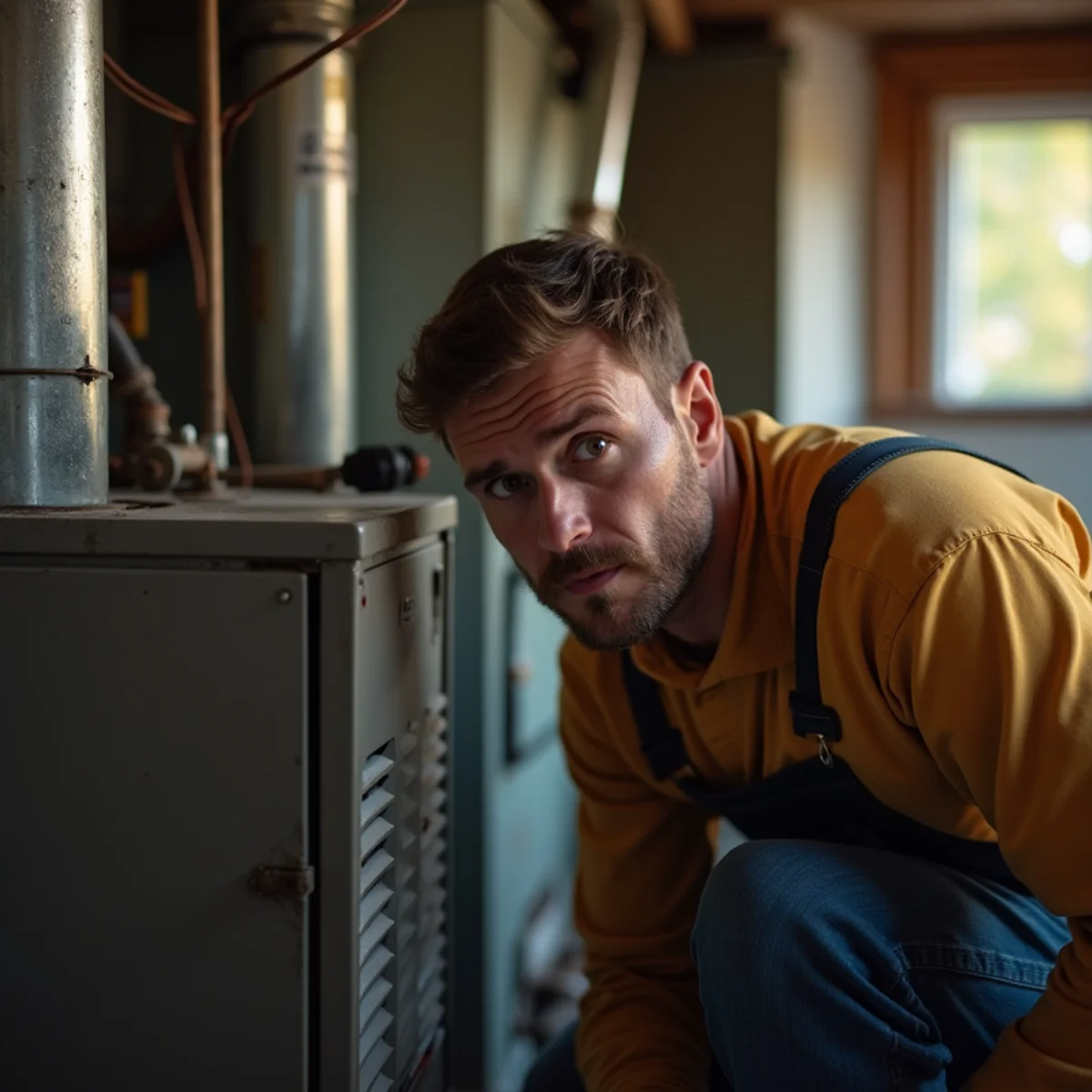
The first cold night of fall, the furnace kicks on and the house smells odd. That is common, and it's often harmless. But smells are also one of the few early warnings a homeowner gets about serious problems, including gas leaks and carbon monoxide risk. The most important thing to know is which smells are urgent.
Leave the House First: Rotten Eggs or Sulfur
Natural gas has no smell on its own, so utilities add a sulfur-like odor, often described as rotten eggs. If you smell it in the house, near the furnace or elsewhere, don't flip switches, use a phone, or light anything inside. Get everyone out, then call 911 or your gas utility's emergency line from outside. Don't re-enter until you're told it's safe.
Carbon Monoxide Has No Smell
Carbon monoxide can't be smelled. A furnace that is producing it may also give off a stale or smoky odor, but you can't rely on smell. Working carbon monoxide detectors on each level and near bedrooms are the real protection. If one sounds, or if headaches, dizziness, and nausea improve when you leave the house, get everyone outside and call 911. Our carbon monoxide warning signs guide and carbon monoxide safety page cover this in more detail.
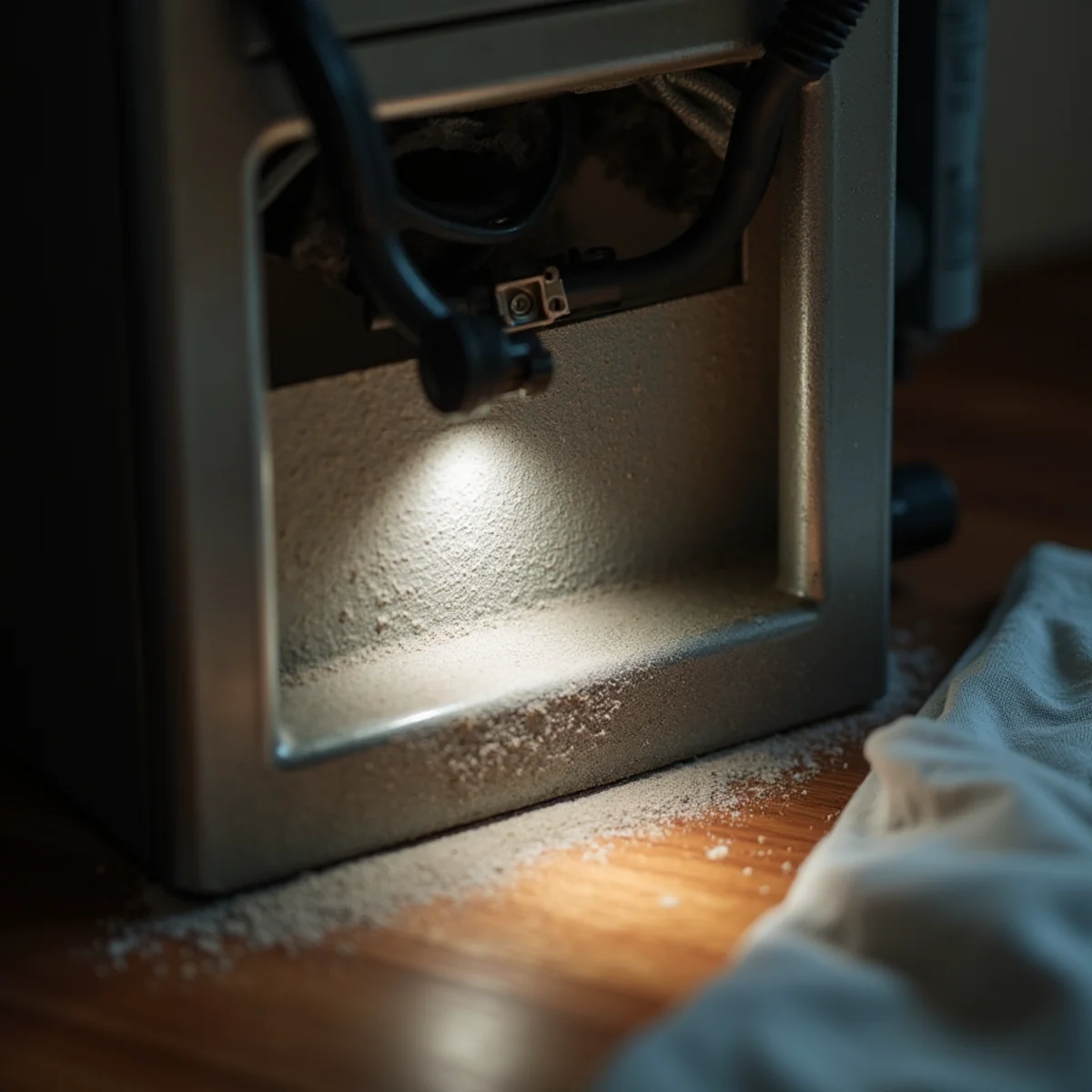
Burning Dust at the First Startup
Dust settles on heat exchanger surfaces, burners, and heat strips over the off season. When the system starts, it burns off and gives a dusty, slightly burnt smell. It usually fades within an hour or so. If it persists for more than a day, or turns to smoke, shut the furnace off and call.
Hot Metal or Electrical Burning
A sharp smell like hot metal, burning plastic, or overheated wiring may indicate a failing blower motor, electrical component, or loose wiring. Shut the furnace off at the thermostat and the power switch. If you see smoke or sparks, leave and call 911. Don't run the system until it's inspected.
Oil Smell
Oil furnaces and boilers may smell faintly of oil during startup or shutdown. A strong oil smell, visible soot, or a puffback means incomplete combustion or a leak. Puffbacks leave soot on surfaces. Shut the unit off at the emergency switch and call for service. A noticeable fuel smell in the basement may be a leak at the tank or lines and needs prompt attention.
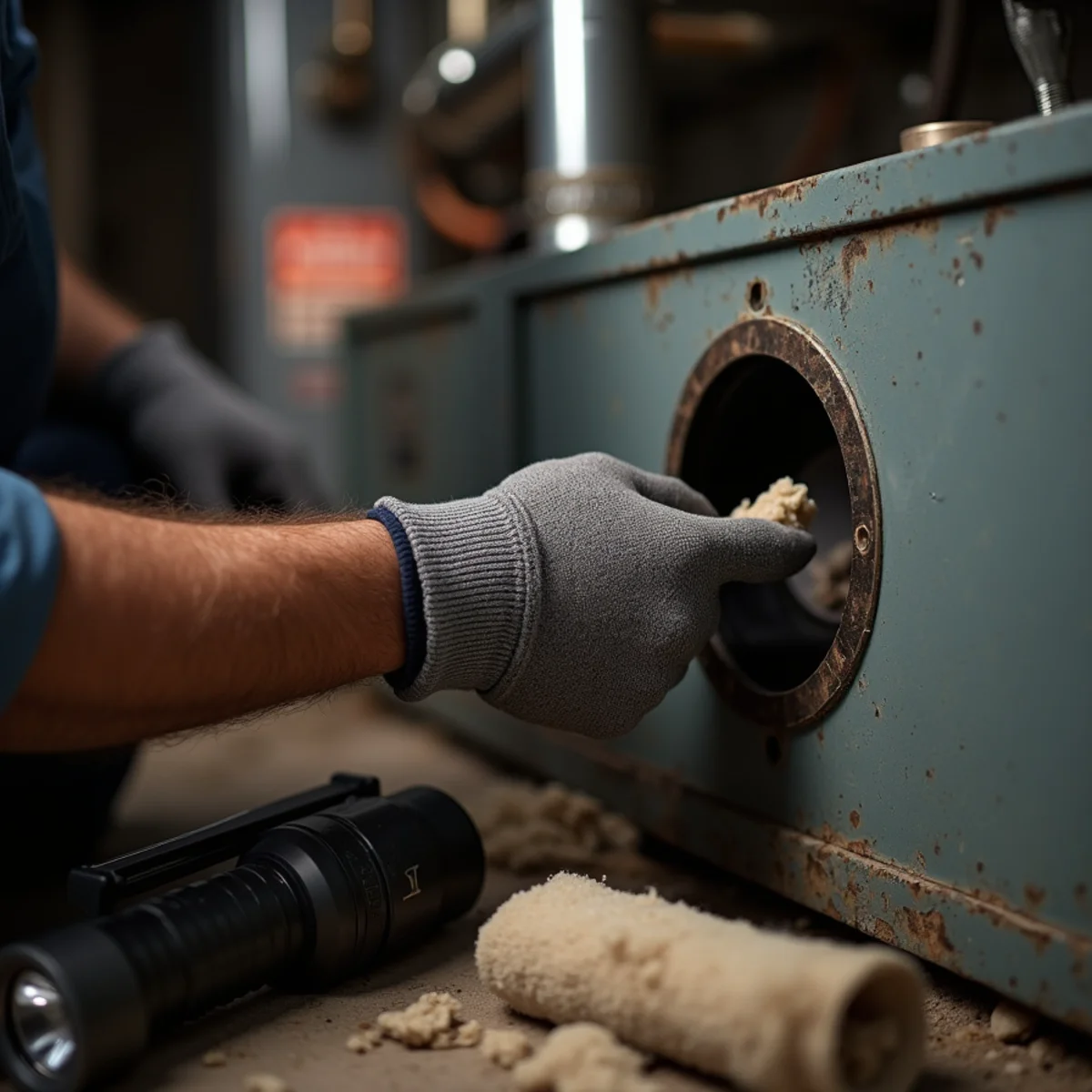
Musty or Moldy Smell
A musty odor when the system runs can come from damp ductwork, a dirty filter, or standing water in a condensate pan or drain. It isn't an emergency, but it affects air quality. Changing the filter and having ducts and drains checked helps. Our indoor air quality page covers options.
Burnt or Fishy Smell From Electrical Parts
Some electrical failures smell like burnt fish or ozone. Treat it as an electrical fault. Turn the system off and call.
What to Do in Each Case, at a Glance
- Gas or rotten eggs: leave, call 911 or your gas utility from outside
- Carbon monoxide alarm: leave, call 911
- Smoke, sparks, or burning plastic: shut off the equipment, leave if there's smoke, and call 911 if needed
- Dusty burn-off at first startup: let it burn off for an hour, ventilate, and call if it lingers
- Strong oil smell or soot: shut off and call for service
- Musty smell: replace the filter and schedule an inspection
Get It Checked
If a smell is new, persistent, or anything other than first-startup dust, schedule furnace repair. A yearly check is the best way to catch combustion, venting, and heat exchanger problems before they produce warning smells, and we cover that in our fall furnace tune-up checklist. For a nighttime hazard, emergency HVAC repair is available once everyone is safe.