A heat pump is one machine doing two jobs: it cools the house in summer and heats it in winter. That means it runs far more hours than a furnace or an air conditioner alone, and it needs maintenance in both seasons. Most of the routine upkeep is simple, and homeowners can do a good share of it. The rest, such as refrigerant, electrical and defrost checks, belongs to a technician with the right tools.
What You Can Do Yourself
These tasks need no tools beyond a vacuum, a hose and a few minutes, and they cover most of what keeps a heat pump running well:
- Check the air filter monthly during heavy-use seasons and replace it when it is dirty, using the size printed on the filter frame
- Keep supply and return registers open and unblocked by furniture or rugs
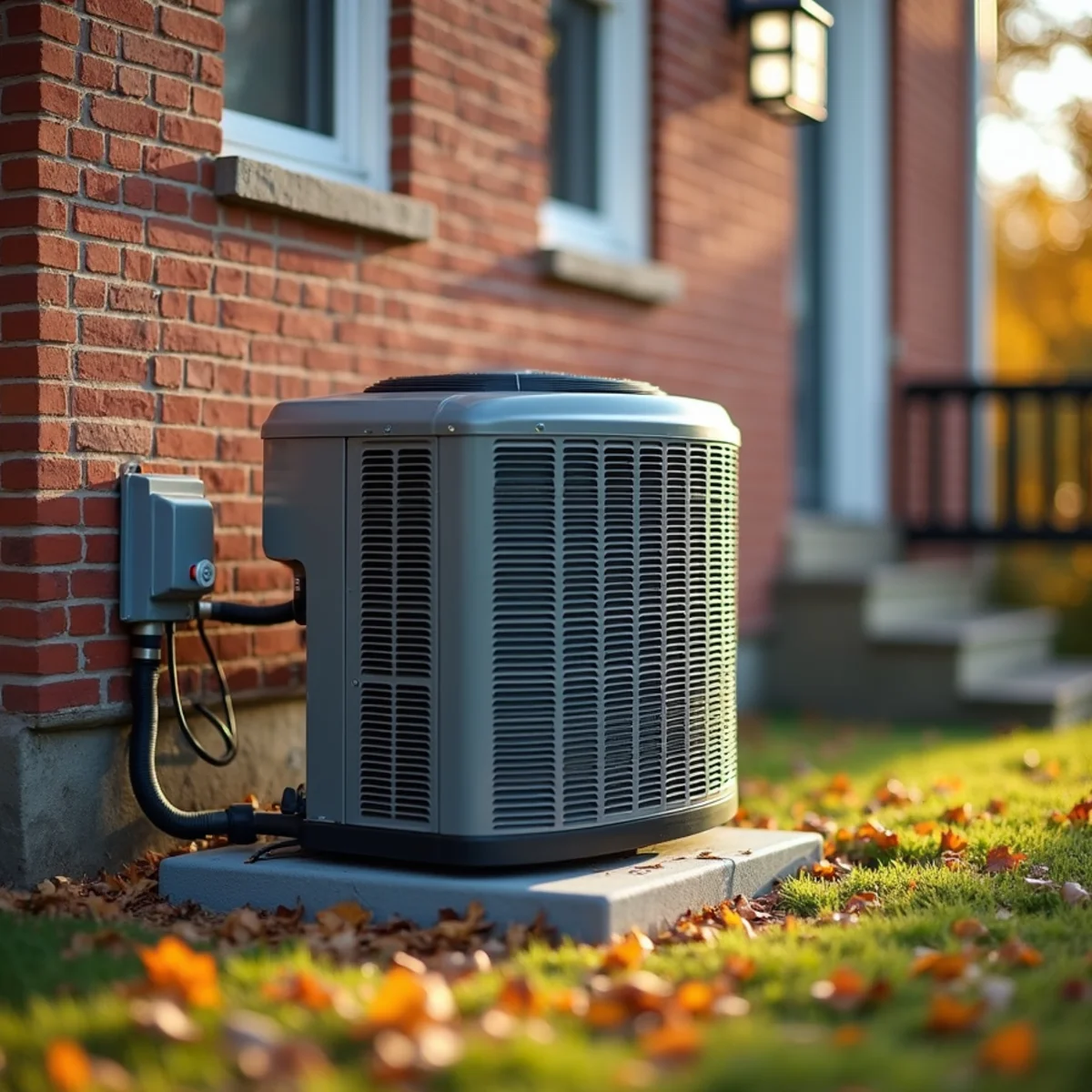
- Clear leaves, grass clippings, and debris from around the outdoor unit
- Trim shrubs and plants back so the unit has room to breathe, often a foot or two on each side, but follow your manual
- Keep the thermostat on a steady schedule rather than big swings
Filter changes matter more than almost anything else on the list. Our guide on how often to change HVAC filters helps you set a schedule that fits your house, pets and all.
Before you do anything around the outdoor unit, switch the thermostat to off. Do not remove panels, touch the wiring, or spray inside the cabinet. If a disconnect box sits next to the unit, leave it alone unless the manufacturer's manual says otherwise.
Winter Checks
In winter, the outdoor coil gets cold and can collect frost. A heat pump handles this by running a short defrost cycle, which is normal and may produce steam and a change in sound. Our article on heat pump defrost mode explains what to expect.
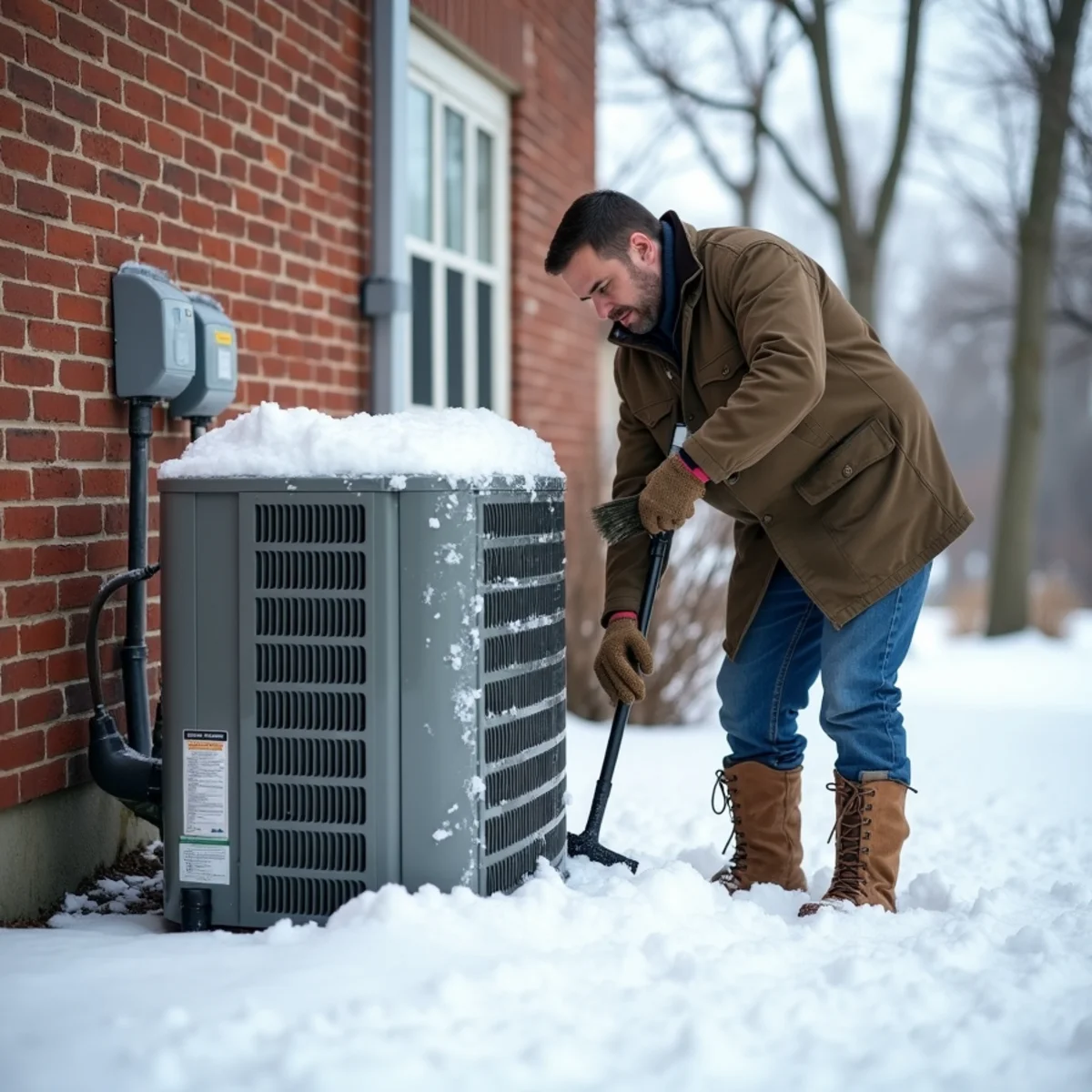
What is not normal is a unit that stays frozen over, or one encased in ice. Between storms, make sure snow is not piled against the unit and that the area around it drains. Gently clearing loose snow by hand is fine. Do not chip ice off the coil with a tool, because the fins and refrigerant lines are easily damaged. In a freeze-thaw climate like Upper Bucks, meltwater that refreezes under the unit can build up, so keep the base clear of ice.
If the system has auxiliary or emergency heat, which is usually electric resistance heat, it should come on when the temperature drops or during defrost. If the thermostat is showing emergency heat all the time and the house is not warm, that is worth a service call. See why a heat pump blows cool air in winter for how to tell the difference between normal and a problem.
Summer Checks
In cooling mode, the indoor coil removes heat and moisture, and the water drains out through a condensate line. If that line clogs, water can back up and trip a safety switch or leak. Look for a wet pan or water near the indoor unit. Pouring a small amount of vinegar down the drain line is a common homeowner step for some systems, but check your manual first and if the water is already overflowing, call.
Outdoors, rinse the outside of the unit with a gentle garden hose spray, only after the power is off at the thermostat and the disconnect. Cottonwood fluff, grass clippings and dust are the usual culprits in summer. A coil packed with debris makes the system run hotter and longer. If the air is not cooling well, our guide on AC running but not cooling covers causes that apply to heat pumps in cooling mode too.
Winter and Summer at a Glance
The two seasons ask different things of the same machine, so it helps to keep the differences straight:
- Winter: watch for ice and snow buildup, confirm defrost cycles finish, and make sure backup heat is available but not running constantly
- Summer: watch the condensate drain, keep the coil free of fluff and grass, and confirm the system cools and dehumidifies evenly
- Both seasons: change the filter, keep airflow clear, and listen for new noises
What a Technician Should Handle
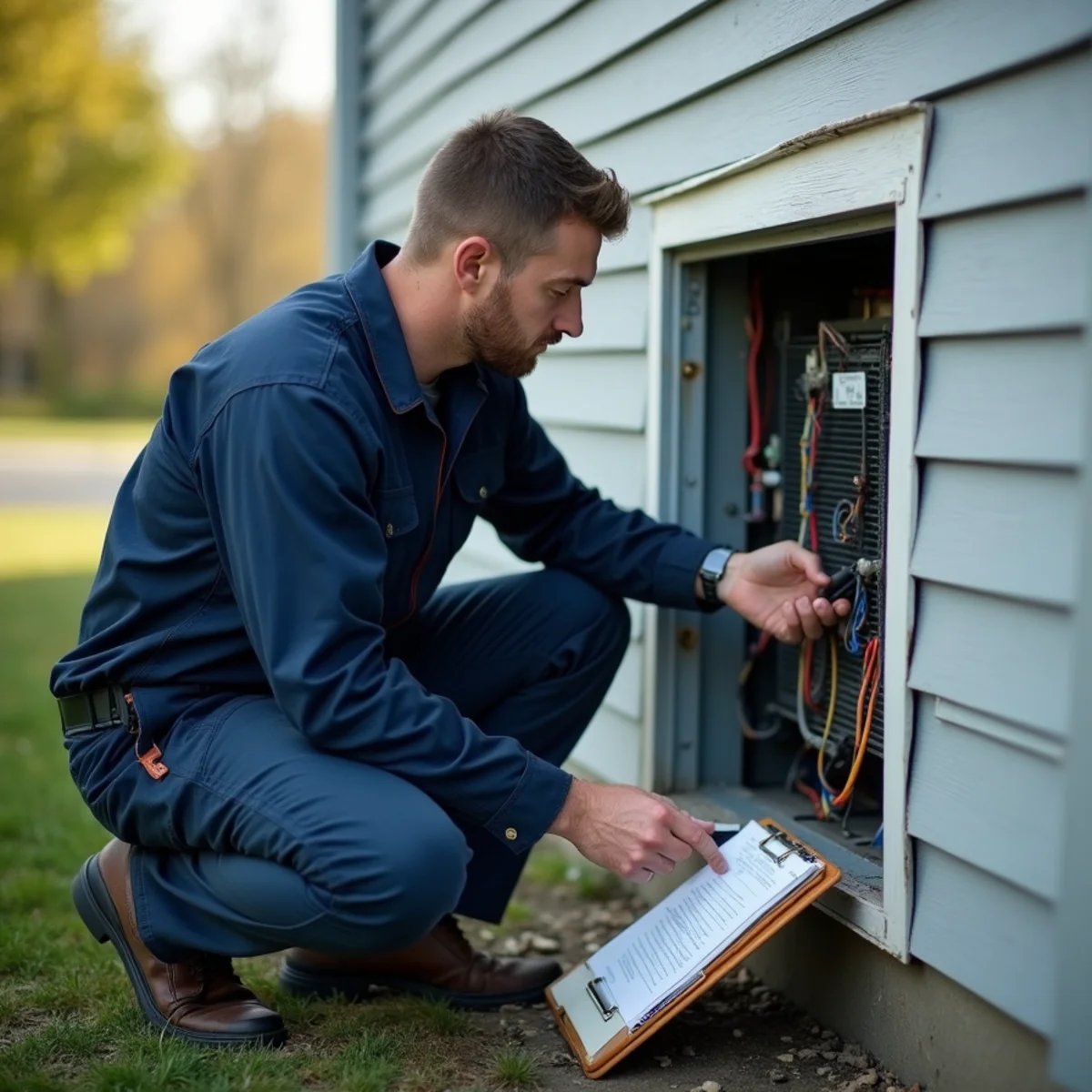
Anything involving refrigerant, live electrical components or sealed parts is professional work. Refrigerant handling in particular requires certification by law, and a low charge usually means a leak, not a top-up. A typical tune-up visit includes:
- Checking refrigerant charge and looking for leaks
- Inspecting and cleaning indoor and outdoor coils
- Testing the reversing valve and defrost controls
- Checking auxiliary heat strips and sequencers
- Tightening electrical connections and testing capacitors, contactors and the condenser fan motor
- Verifying thermostat operation and airflow
- Clearing and testing the condensate drain
Most manufacturers and contractors suggest servicing a heat pump at least once a year, and some suggest twice, once before heating season and once before cooling season. Our HVAC maintenance service covers both systems, and the furnace tune-up visit is the equivalent if you have a dual-fuel setup with a furnace backup.
Signs You Should Call Before the Next Tune-Up
Do not wait for your next scheduled visit if you notice any of these:
- Ice on the outdoor unit that is not clearing within a defrost cycle or two
- Grinding, squealing, or banging from the outdoor or indoor unit
- A breaker that trips repeatedly
- Air from the vents that is weak, or warm in cooling mode and cool in heating mode
- A burning or electrical smell
- Water leaking indoors
- Much higher energy bills with no change in weather or habits
If you smell burning or see smoke, turn the system off at the thermostat and the breaker, and call. If you smell gas, which can apply if your heat pump is paired with a gas furnace, leave the house and call 911 or the gas utility from outside.
Getting Ahead of Problems
A heat pump that is cared for tends to be quieter, steadier and less likely to fail on the coldest or hottest day of the year. If you are not sure whether your unit is due for service, or you want a second opinion on a noise, our heat pump services team can help, and heat pump repair is available when something is already wrong. If you are weighing whether to keep an older unit, our heat pump vs furnace comparison may help.