
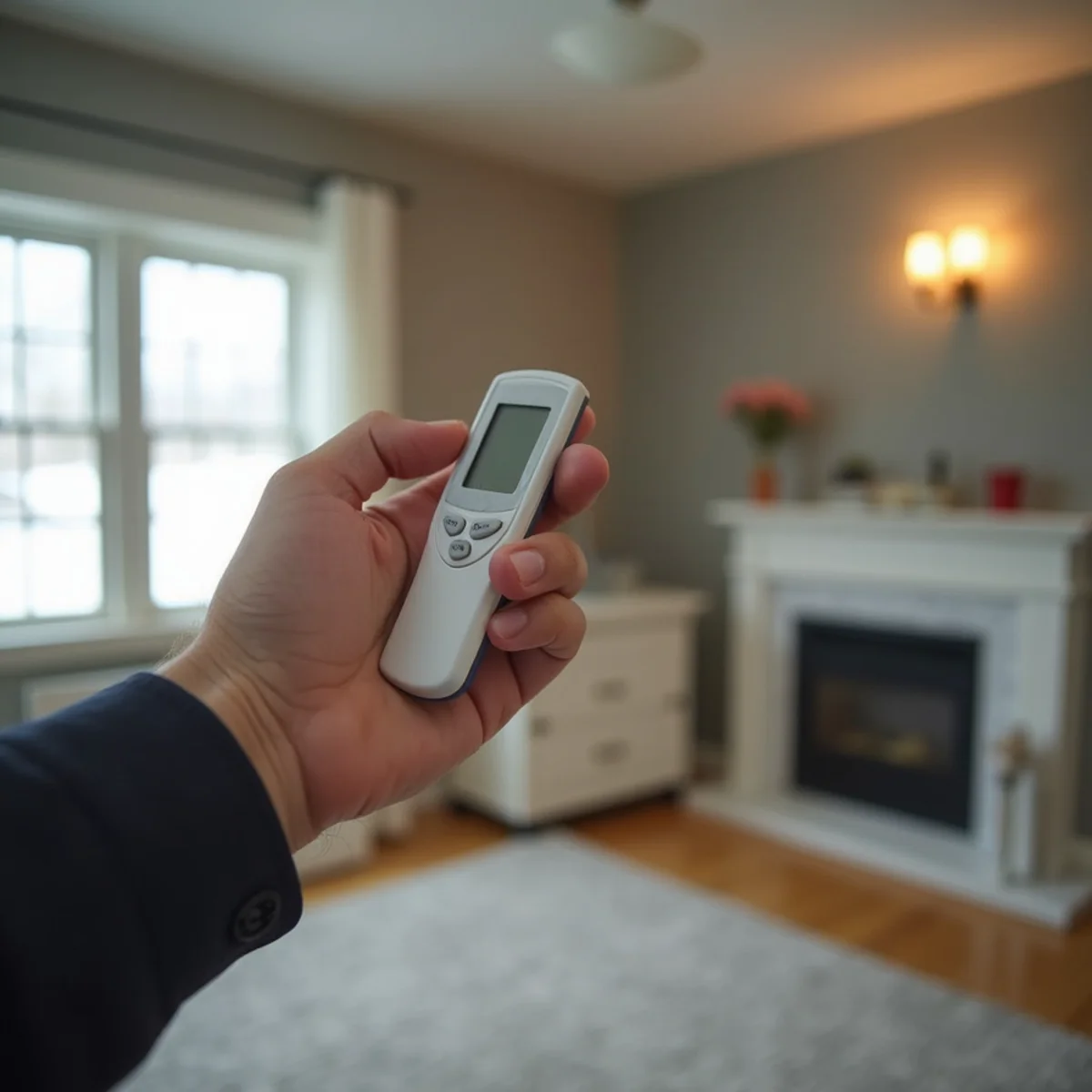
The first thing to know about a heat pump is that its air feels different. A gas furnace delivers air at a high temperature, often well above body temperature. A heat pump delivers warm air at a much lower temperature, closer to body temperature, so it can feel merely lukewarm against your hand even when it is working properly. A heat pump running correctly will still heat the house, just more gradually and steadily.
That makes it hard to judge by feel, so the better test is whether the house is reaching and holding the thermostat setpoint. If it is, the system is probably fine. If the house is falling behind, the following are the likely causes.
Normal: The Defrost Cycle
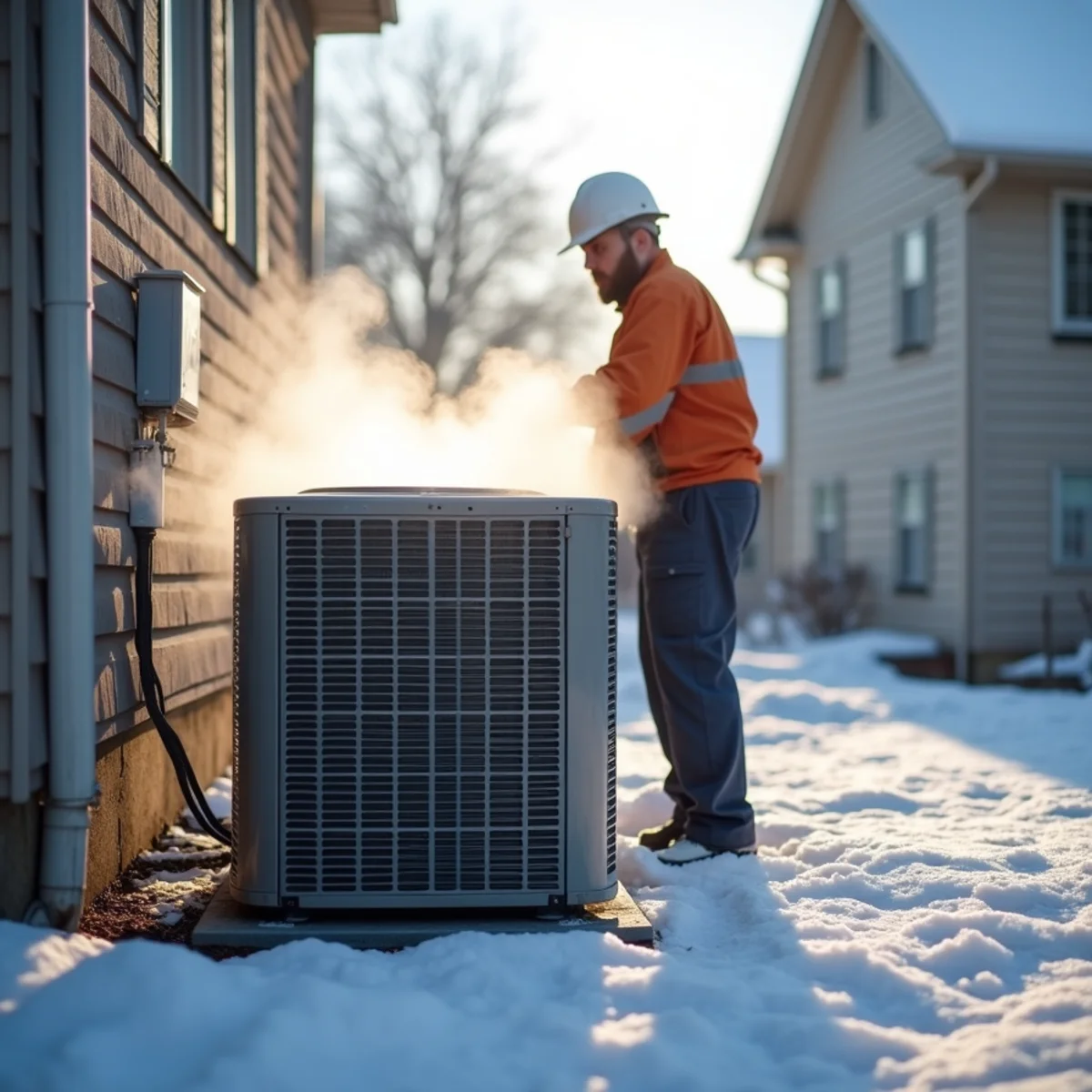
In cold, damp weather, frost builds on the outdoor coil. The heat pump periodically switches to defrost, temporarily running in reverse to melt it. During defrost, the outdoor fan stops, steam may rise from the unit, and the indoor air may feel cooler for a few minutes. Many systems also bring on electric auxiliary heat at the same time. This is expected. Our heat pump defrost mode guide explains how to recognize it.
Fault: Thick Ice That Doesn't Clear
If the outdoor unit is encased in ice, or ice persists long after a defrost cycle, the defrost controls, sensor, or reversing valve may be at fault, or airflow around the unit may be blocked. Don't chip at ice with tools, since the coil fins and refrigerant lines are easily damaged. Turn the system off at the thermostat and call for service.
Fault: Low Refrigerant
A heat pump is a sealed system. If it has lost refrigerant, there is a leak, and heating capacity falls well before the system stops entirely. Signs include weak heating, ice on the outdoor coil, and long run times. Adding refrigerant without finding the leak only delays the next failure.
Fault: Dirty Filter or Blocked Airflow
A clogged filter, closed registers, or a dirty indoor coil reduce airflow and heating output. Check the filter first. It's a simple fix and the one most often overlooked.
Fault: Auxiliary Heat Is Doing the Work
Most heat pumps have electric backup heat. If the heat pump can't keep up, due to a fault or very cold weather, the auxiliary strips cover the gap, and the electric bill goes up. If you see the system's auxiliary or emergency indicator on for long periods in mild weather, that suggests the heat pump itself isn't working well.
Fault: Reversing Valve or Compressor Problems
A stuck reversing valve can leave the system effectively cooling in winter. A compressor failure or electrical fault means the outdoor unit may hum or not start at all while the indoor blower runs, blowing room-temperature air. These are repairs for a technician.
What You Can Safely Check
- Thermostat mode (Heat, not Cool or Emergency Heat) and setpoint
- The filter
- That supply and return registers are open
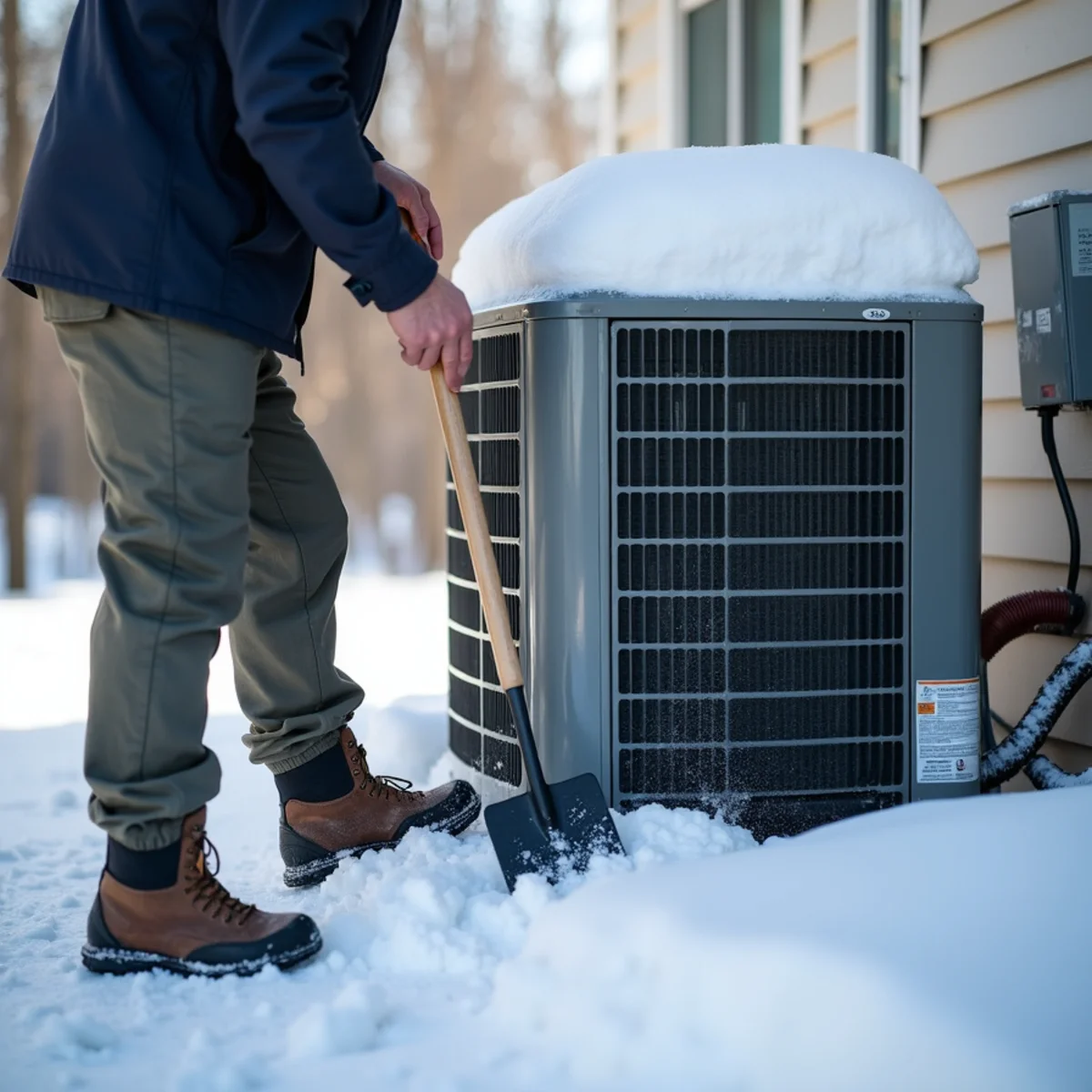
- That the outdoor unit has clearance and isn't blocked by snow, leaves, or debris
- The breaker for the outdoor unit and air handler
Leave refrigerant, electrical, and sealed-system work to a professional, and don't repeatedly reset a tripping breaker.
When to Call
If the house isn't keeping up, the outdoor unit is heavily iced, or the system is relying on auxiliary heat, book heat pump repair. For help choosing between heating system types, see heat pump versus furnace, and if you rely on a heat pump for primary heat, consider a dual-fuel system for the coldest days.