This exact question comes up constantly once July humidity settles in. A homeowner's AC is running, the thermostat reads 72, and the house still feels damp, musty basement smell, foggy bathroom mirrors that never fully clear, wood doors that stick in summer and free up again in winter. That's a moisture problem an air conditioner alone isn't built to solve, and it's the exact situation a whole-home dehumidifier is designed for.
Why This Question Comes Up So Often in Quakertown
Average summer humidity in this area runs around 67%, and homes with finished or semi-finished basements, older stone foundations, or ductwork sealed up tight for efficiency tend to trap that moisture indoors. An AC removes some humidity as a byproduct of cooling, but on a mild, humid day it won't run long enough to pull much moisture out even though the air feels heavy.
Signs Your Home Is a Candidate
- A musty smell in the basement or a lower level that doesn't go away with cleaning
- Condensation on windows or cold water pipes during summer months
- Wood floors, doors, or trim that swell and stick from May through September
- Visible mold or mildew on bathroom ceilings, closet walls, or basement corners
- A house that feels clammy even when the thermostat confirms it's cool
- Allergy or respiratory symptoms that flare up specifically in summer months indoors
How a Whole-Home Unit Differs From a Portable One
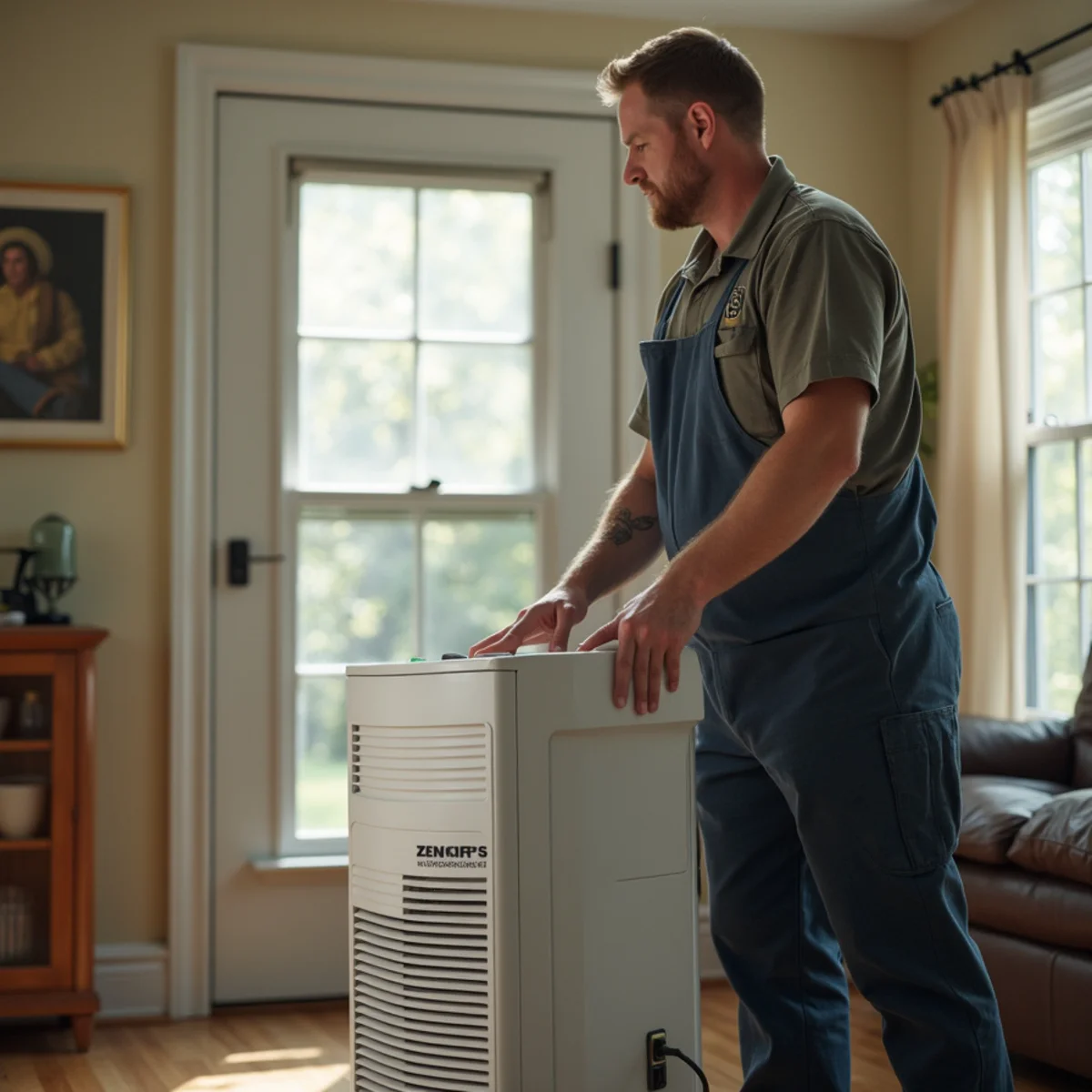
A portable dehumidifier treats one room and needs its reservoir emptied constantly, or a hose run to a floor drain, and most units are undersized for anything beyond a single room. A whole-home unit ties into the existing ductwork or gets installed with its own dedicated ducting, pulls air from the whole house, and drains automatically to a condensate line or sump.
What Installation Actually Involves
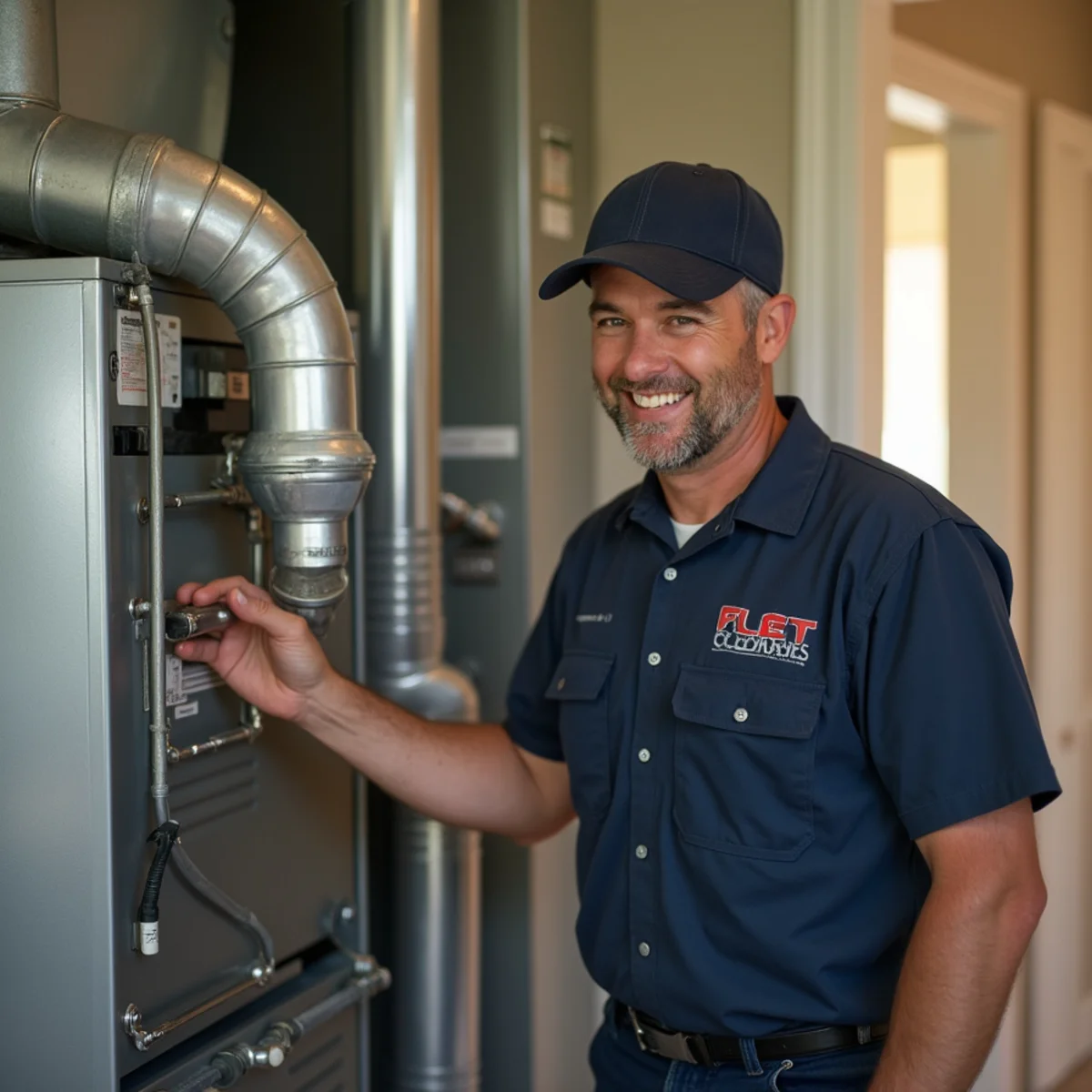
Sizing a whole-home dehumidifier correctly depends on square footage, ceiling height, and how much of the home is below grade. Installation typically ties the unit into the return and supply ductwork with dedicated connections, runs a condensate line to a drain, and wires in a dedicated humidistat control. This kind of equipment is one piece of a broader indoor air quality plan.
Running Costs and What to Expect
A properly sized whole-home unit typically costs somewhere between a portable unit's electric draw and a small window AC's, run continuously through the humid months, and most models cycle on a humidistat so they're not running nonstop. Compared to the cost of repeated mold remediation or warped flooring, a correctly sized system tends to pay for itself over time.
Is It Worth It for Your House
Not every house needs one. Older homes, especially ones with fieldstone foundations or finished basements common in neighborhoods like the Licking Run corridor, tend to be the strongest candidates. The honest way to answer the question is a home evaluation that looks at actual humidity readings room by room rather than guessing.
How Humidity Levels Are Actually Measured
A proper evaluation doesn't rely on how a room feels to the touch. A technician uses a hygrometer to record relative humidity in multiple locations throughout the house — the basement, main living areas, and any known problem spots like a bathroom or a room over an attached garage — often at different times of day, since humidity levels can shift meaningfully between morning and afternoon. Indoor relative humidity above roughly 55-60% is generally considered high enough to support mold growth and dust mite activity over time, and that threshold, measured room by room, is what actually determines whether a whole-home system makes sense rather than a general sense that the house "feels sticky."
Dehumidifiers and Indoor Air Quality Together
Excess humidity doesn't just cause physical damage to a house, it actively supports mold spores, dust mites, and other allergens that a standard AC filter isn't designed to address. Pairing a whole-home dehumidifier with broader indoor air quality equipment, like a properly rated filtration system or ventilation upgrade, tends to produce better results than either piece of equipment working alone, since controlling humidity removes one of the conditions those airborne contaminants need to thrive in the first place.
Getting a Real Recommendation Instead of a Guess
Skip the temptation to size a dehumidifier off square footage alone or to assume every basement needs the largest unit available. Our indoor air quality team can run an actual humidity assessment room by room and recommend equipment sized to your specific house rather than a one-size-fits-all unit. If ductwork condition turns out to be part of what's driving the humidity problem in the first place, our ductwork services team can also check for leaks that might be letting humid, unconditioned air into the system before you invest in a dehumidifier at all.