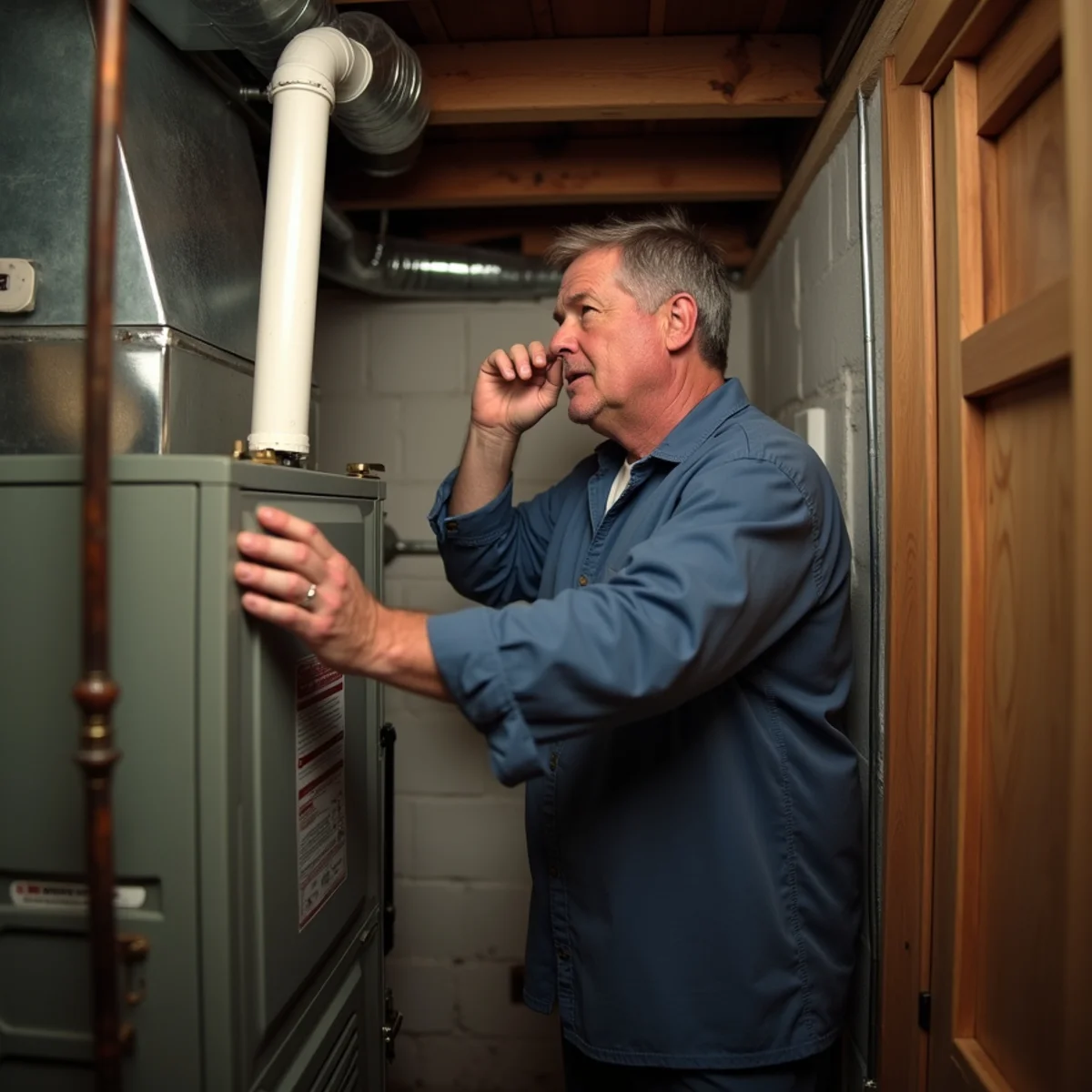
A furnace makes some noise in normal operation, such as a soft whoosh when the burner lights and the blower's steady air flow. A new bang, squeal, scrape or rattle is different, and the sound is a decent clue to the cause. A boom or loud bang from the furnace itself during startup and a scraping or grinding noise are the ones to take seriously. Popping in the ductwork as air heats up is usually not dangerous. Here is how to sort them out.
Quick Guide: Which Sounds Are Urgent
Use this list as a starting point, not a diagnosis.
- Urgent, shut the furnace off: loud boom or bang at ignition, scraping or grinding metal, burning or electrical smells, soot, or any carbon monoxide alarm
- Call soon: squealing or screeching, repeated clicking with no flame, a humming blower that will not start
- Usually minor: ticking or popping ducts as they warm and cool, light rattling from a loose panel, a mild whoosh at start-up
If you smell gas or a carbon monoxide detector is sounding, leave the house and call 911 or your gas utility from outside before you do anything else. Our guide to carbon monoxide warning signs explains what to look for.
Banging or Booming From the Furnace
A loud bang or boom when the burner starts is commonly a delayed ignition. Gas builds up in the combustion chamber before it lights, then ignites all at once. Dirty burners, a failing igniter, or a weak flame sensor can all cause it. Oil burners can also ignite late with a thump. Repeated delayed ignition is hard on the furnace and can crack components.
If you hear this, turn the thermostat to Off and call for furnace repair. Do not keep running it to see if it happens again. If it sounds like an explosion, or you notice a gas smell, leave the house first.
Banging or Popping in the Ductwork
Thin sheet-metal ducts expand when hot air rushes in and contract as they cool. The result is a bang, pop or a tin-can sound as the furnace starts or stops. It is sometimes called oil canning, and it is common in long duct runs and in ducts with large flat sides. Dirty filters and closed registers can make it worse because they raise pressure in the duct.
The clue is where the sound comes from. If you can trace it to the ducts rather than the furnace cabinet, and it happens when the blower ramps up or down, it is usually an airflow or duct issue, not a combustion problem. Start with a clean filter and make sure registers are open. A technician can add bracing or reduce the pressure in the system through our ductwork services.
Squealing or Screeching
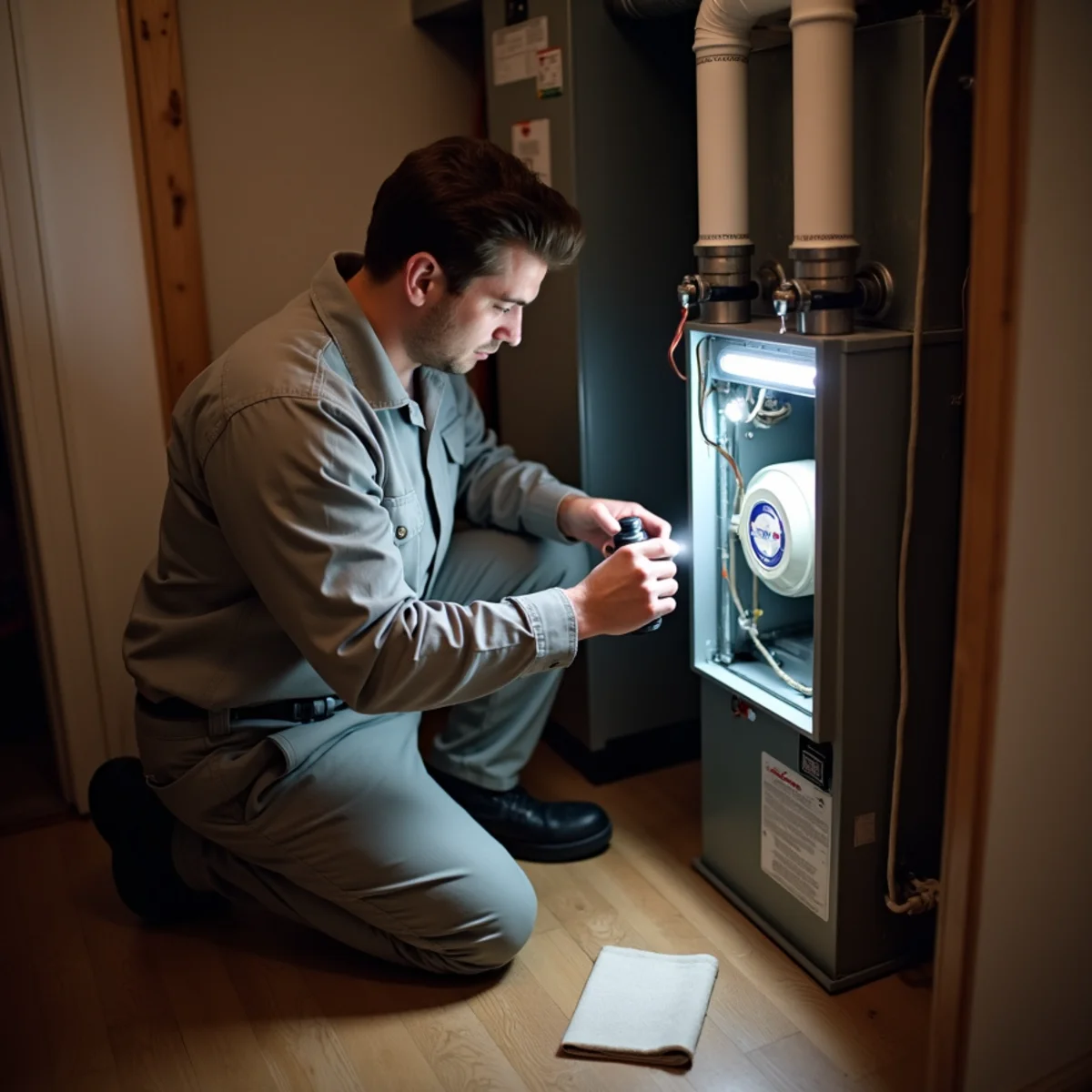
A high-pitched squeal usually comes from the blower. In older furnaces with a belt-driven blower, the belt can slip or wear and squeal. In most newer furnaces, the blower motor is direct-drive, and a squeal or screech points to worn motor bearings or a blower wheel rubbing. Either way, the noise tends to get worse and the part eventually fails.
A squeal also means more strain and a higher chance of the furnace shutting down on a cold night. If the sound begins and ends with the blower, schedule a visit before the system quits. For no heat in cold weather, our emergency furnace repair page explains what we can do the same day.
Rattling and Vibrating
Rattling is often the least serious. Loose access panels, a missing screw, a loose vent connection or a filter that does not sit properly can all buzz or rattle when the blower runs. Check that the front panel is fully seated and that nothing is resting on the cabinet. Tighten loose screws only on outer panels, and leave the burner compartment alone.
A rattle that gets worse over time can also come from a failing blower wheel, a loose motor mount, or debris in the blower. If it persists after checking the panel and filter, have it looked at.
Clicking and Humming
A light click when the furnace starts can be a relay or gas valve opening, and a ticking sound during heating is usually metal expanding. Repeated clicking with no flame points to an igniter or ignition control that cannot light the burner. The furnace tries, fails, and may lock out. That pattern fits the situation in furnace won't turn on.
A hum that does not go away points to a motor that is trying to run and cannot. It might be the inducer motor, which clears exhaust gases before ignition, or the blower motor with a failed capacitor or seized bearings. Shut the furnace off if it hums and does not start, and do not open electrical compartments.
Scraping and Grinding
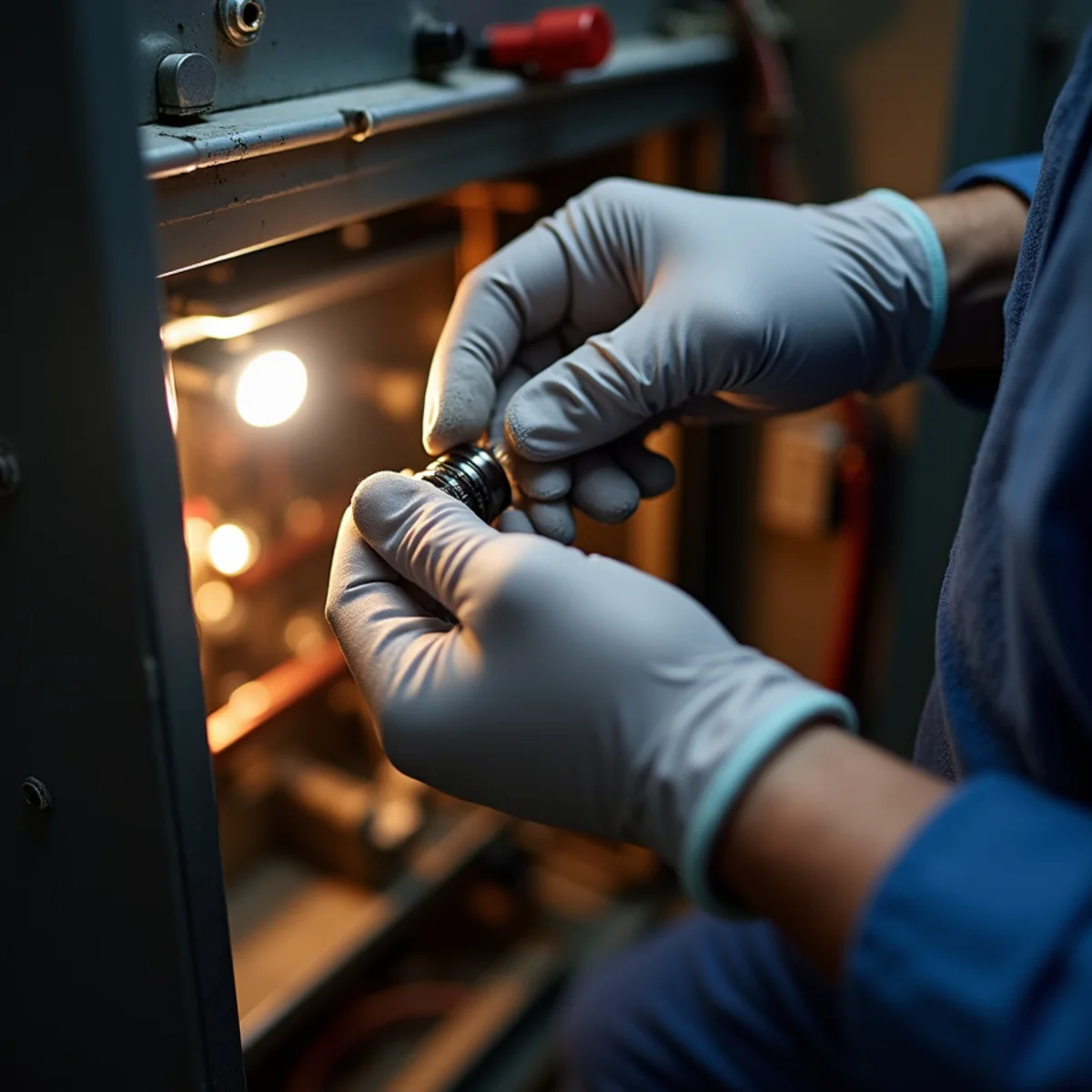
Metal on metal is the sound to stop for. A blower wheel hitting the housing, a failed motor bearing, or a loose component in the blower can scrape and grind and will destroy the part quickly. Turn the furnace off at the thermostat and call. Do not run it hoping it will clear. If the blower wheel is damaged, it may need replacement, and the longer it runs the more expensive the fix.
Safe Checks and When to Stop
Safe to check, then listen again:
- The thermostat is set to Heat
- The filter is clean
- The front panel is fully seated
- Registers are open and the area around the furnace is clear of stored items
Stop and call a professional for any boom at ignition, scraping, burning smell, soot, a tripped breaker, or a repeated shutdown. Do not remove the burner cover, adjust the gas valve, or work on wiring. Leave the house and call 911 for gas odor or CO alarms. If the sounds are coming from a hot-water or steam boiler, see our guide to boiler noises decoded.
When to Call
Noise problems are cheaper to fix early, and a yearly furnace tune-up is the best way to find a worn bearing or dirty burner before it makes noise. If the noise is already there, call our heating repair team at (327) 210-5999. A cooling system with the same kinds of problems is covered in our AC noise guide.