
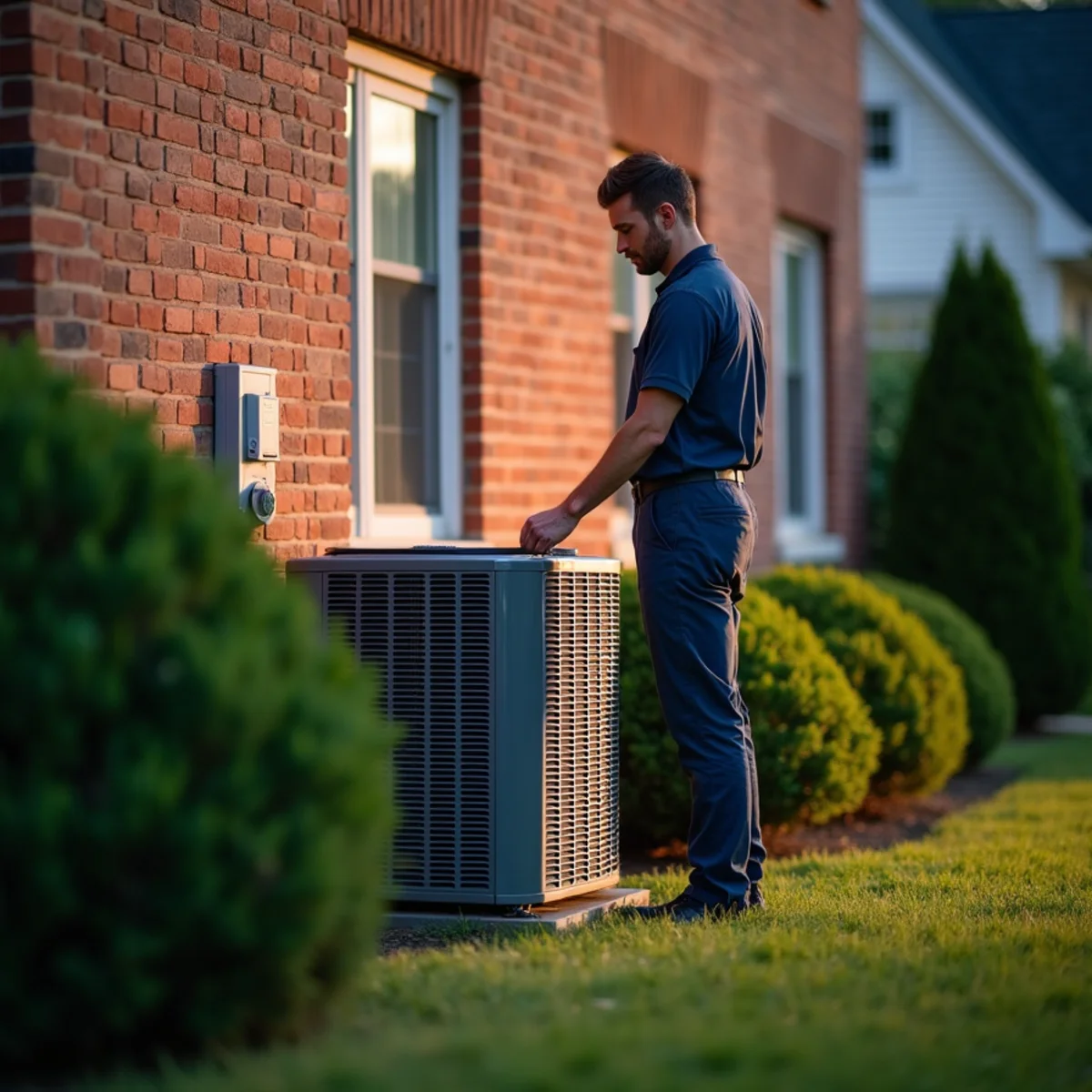
Your AC makes some noise when it works: a low hum from the outdoor fan and compressor, a soft click when it starts, and the rush of air at the registers. A new buzz, hiss, grind or bang is a change worth listening to. As a rule, buzzing and grinding mean stop and call, hissing deserves attention, and a single click at start-up is normal. The details below help you tell which is which.
Quick Guide: What the Sound Usually Means
- Buzzing or humming that will not stop: failing capacitor, worn contactor, or a motor that cannot start
- Clicking once at start and stop: normal relay or contactor
- Repeated clicking: a control or electrical problem
- Continuous hissing: a possible refrigerant leak
- Grinding or screeching: motor bearings or a compressor problem
- Banging or rattling: loose parts, debris, or a fan blade out of balance
Buzzing and Humming
A buzz from the outdoor unit often points to the electrical side. The capacitor gives the fan motor and compressor the jolt they need to start, and when it weakens the motor hums but cannot turn. The contactor is the switch that sends power to the outdoor unit, and a worn one can buzz or chatter. A fan motor that has seized will also hum.
If the outdoor fan is not spinning and the unit is buzzing, switch the AC to Off at the thermostat. Do not open the access panel. A capacitor can hold an electrical charge even after the power is off, and refrigerant and electrical parts share the same cabinet. Our AC repair team can test and replace these parts, and running a buzzing unit risks the compressor.
Some buzzing is simply vibration, such as a loose panel or a unit that has settled on its pad. That is the less serious version, and a technician can usually resolve it by tightening and leveling.
Clicking: Normal vs. Not Normal
A click when the thermostat calls for cooling and another when it stops is the contactor and relays doing their job. A ticking sound for a few minutes after shutdown can be metal cooling and contracting.
Repeated clicking, such as the unit trying to start every few seconds, is different. It can mean a failing relay, a thermostat or control board problem, or a unit that is repeatedly tripping on a safety. Turn the AC off and check the thermostat batteries. If the breaker keeps tripping, do not reset it more than once.
Hissing and Bubbling
A hiss that continues while the system runs can indicate a refrigerant leak. Refrigerant does not get used up, so a low charge means a leak somewhere. You may notice weak cooling, ice on the indoor coil or refrigerant line, or a system that runs constantly. A short whoosh when the compressor starts or stops, as pressure equalizes, is generally normal.
Do not try to handle refrigerant yourself. Federal law requires technicians who work on equipment with refrigerant to be EPA Section 608 certified, and the EPA encourages having leaks found and repaired rather than topping off the system. If you smell something sweet or chemical indoors, ventilate and call.
Grinding and Screeching
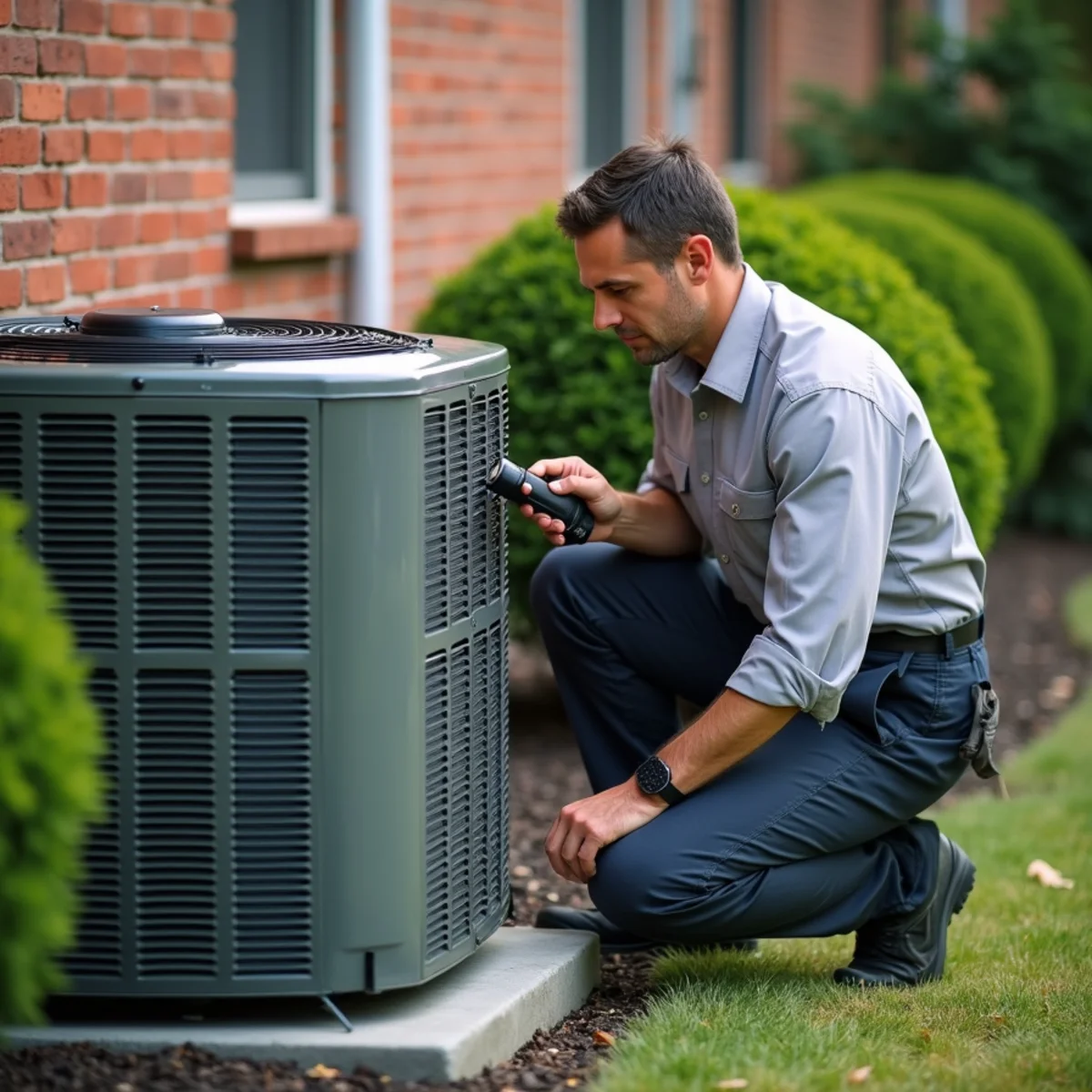
Grinding is rarely minor. In the outdoor unit, it is usually the condenser fan motor bearings failing, and in the indoor unit the blower motor may be worn. A grinding or loud metallic sound from the compressor itself is more serious, because internal parts are wearing.
Switch the system off. Running it with failing bearings can overheat the motor and turn a modest repair into a bigger one. If the system is older, a grinding compressor often makes the repair-or-replace conversation worth having.
Banging, Rattling and Vibration
Banging often means something is loose or has come loose. A fan blade out of balance, a bent blade, a loose motor mount, or sticks and debris that fell into the fan guard can all knock against the cabinet. Loose panels rattle, and a unit that has shifted on its pad can buzz against its lines.
Turn the system off and look from outside without removing anything. Clear leaves and sticks from around the unit and trim back plants. If the sound is a heavy knock, or the unit shakes visibly, call. A compressor with a mechanical problem will sometimes bang when it starts.
Ice and Frozen-Coil Sounds
A coil that has frozen can produce a hissing, gurgling or cracking noise as ice forms and melts, along with weak airflow. If you see ice on the indoor coil or the large refrigerant line, shut the system off and let it thaw. Dirty filters and low refrigerant are the usual causes, and we explain the process in air conditioner freezing up. Melting ice also overloads the drain, which is how it ends up as water on the floor, as described in our guide to an AC leaking water inside your house.
Sounds That Are Usually Normal
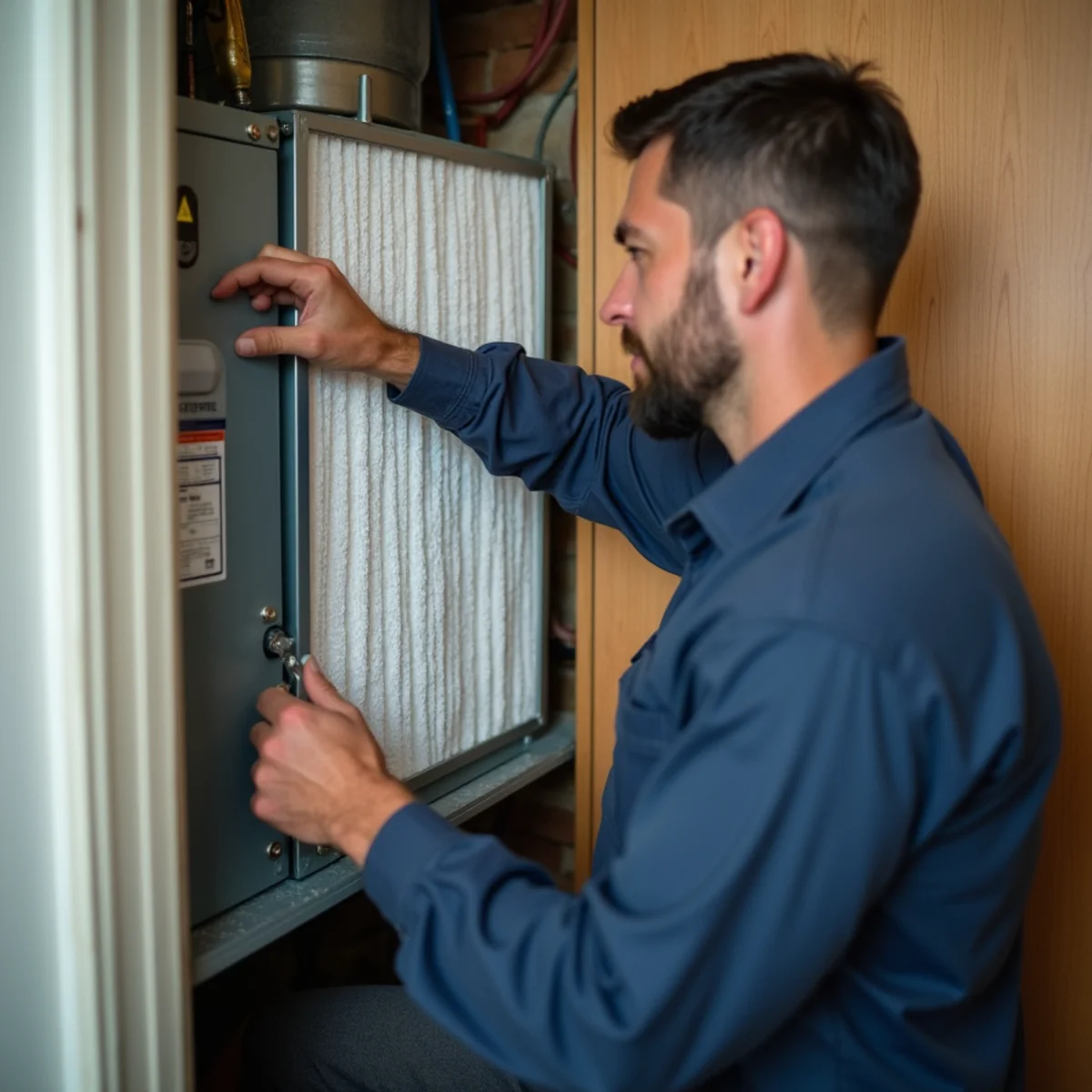
Normal sounds include a steady low hum of the outdoor fan, a click at start and stop, air moving through ducts, and a brief whoosh at shutdown. Ducts can tick or pop as they cool. In humid weather near Lake Nockamixon, you may also hear more water movement from the drain.
What matters is change. If the system sounds different than it did last week, and the new sound is louder, higher, or harsher, take it seriously. Photograph the unit and note when the noise happens, because it helps a technician.
Safe Checks and When to Call
Safe to check:
- The thermostat and its batteries
- The filter
- Clear space around the outdoor unit, removing debris you can reach without opening anything
Do not remove electrical panels, touch wiring, or try to add refrigerant. If you smell burning, see smoke or sparks, or the breaker trips, shut the system off and call. For smoke or fire, leave the house and call 911.
A spring visit through AC maintenance catches worn capacitors, contactors and bearings before they fail on the hottest day. If your AC stops cooling during a heat wave, emergency AC repair is available, and our guide on AC failure in a heat wave lists your first steps. If heat is the issue upstairs, read why your upstairs is hotter than your downstairs. To book, call (327) 210-5999.