
Ninety-five degrees, humidity sitting somewhere around that thick 67 percent average Quakertown summers are known for, and your air conditioner just stopped pushing cold air. There's a different kind of urgency to an AC failure in a heat wave than a furnace failure in winter — heat stress builds faster than most people expect, especially for kids, older adults, and anyone with a health condition. Here's what to do, roughly in order, before you call anyone.
Step 1: Confirm It's Actually the AC and Not the Thermostat
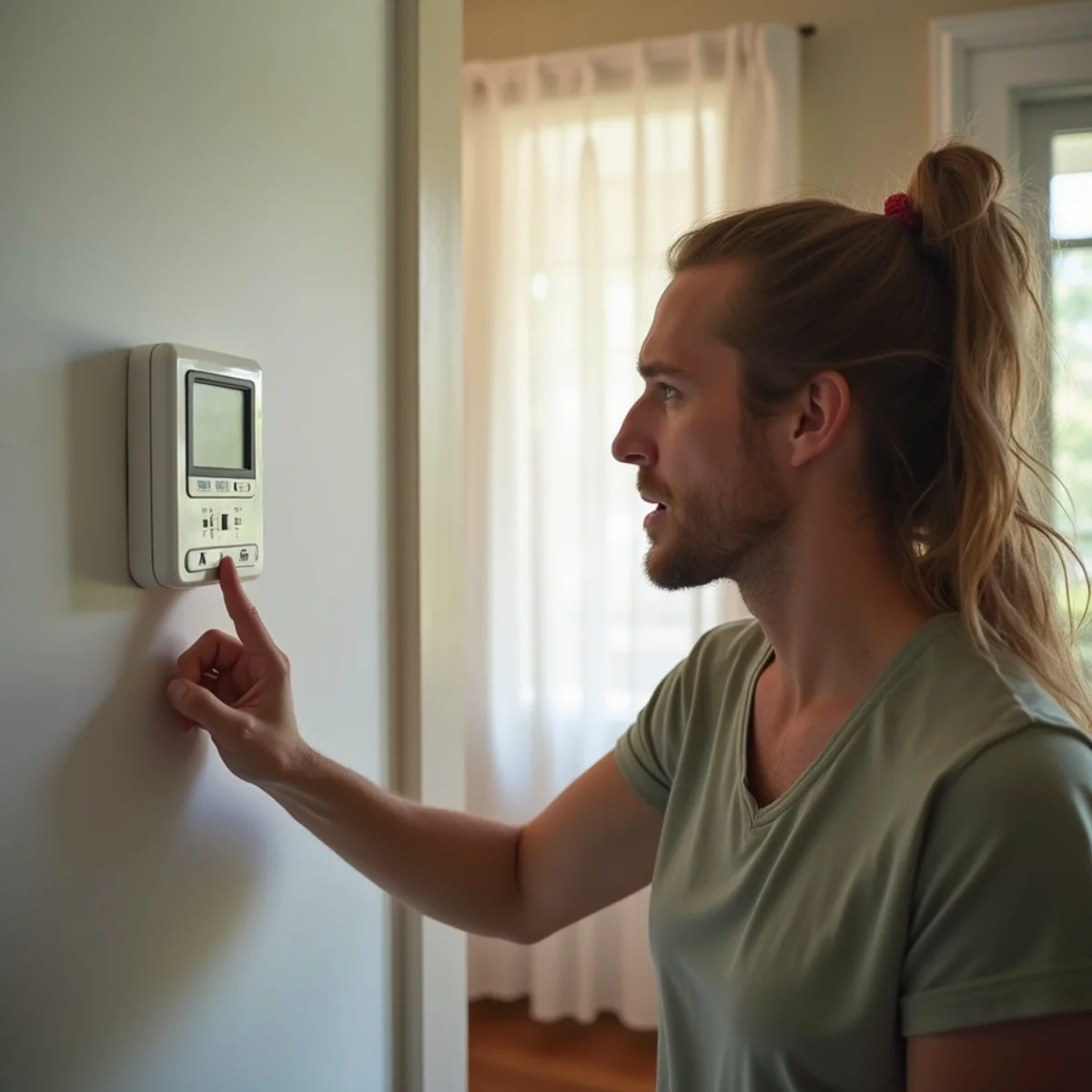
Check that the thermostat is set to cool, the set temperature is below room temperature, and the display is responsive. A dead thermostat display usually means batteries, a quick five-minute fix that solves more "AC is broken" calls than people expect. If the display works and it's still not cooling, move on.
Step 2: Check the Breaker and the Outdoor Unit
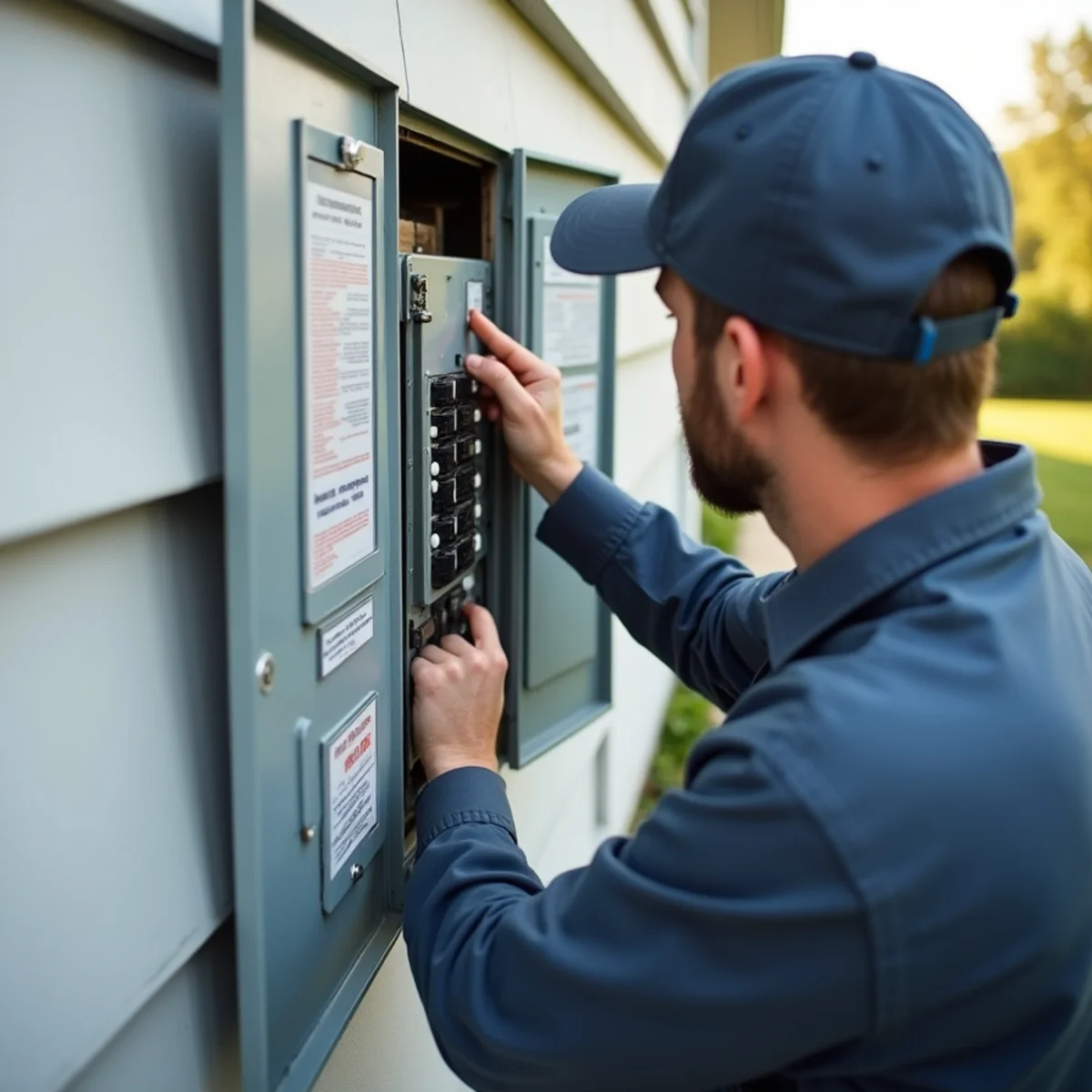
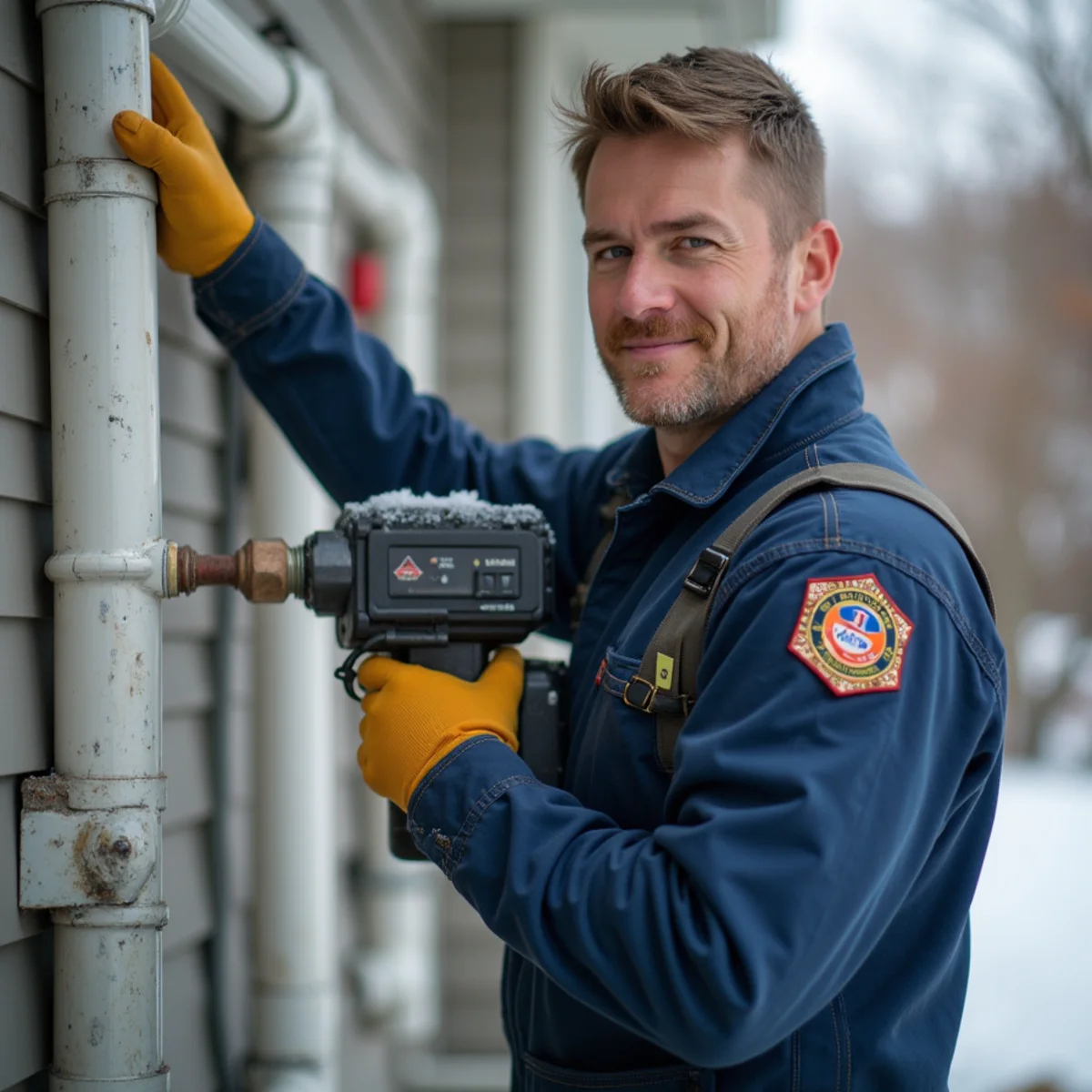
AC systems run on two separate circuits — one for the indoor air handler, one for the outdoor condenser — and either one can trip independently. Check your electrical panel for anything tripped. Then walk outside and look at the condenser unit. If it's silent and not running at all, that points toward power or a capacitor issue. If it's running but the coils are caked in ice, turn the system off completely and let it thaw; running a frozen system continues to strain the compressor and can turn a moderate repair into a major one.
Step 3: Check the Filter and Any Visible Airflow Blockage

A filter that hasn't been changed in months restricts airflow enough to cause the evaporator coil to freeze, which then shows up as weak or absent cool air. Replace it if it's visibly gray or clogged. While you're at it, make sure nothing is blocking supply vents or the return air grille inside the house, and that nothing is crowding the outdoor condenser — at least two feet of clearance on all sides.
Step 4: Cool the House With What You Have While You Wait

Close blinds and curtains on sun-facing windows, especially in the afternoon. Move to the lowest level of the house, since heat rises and basements or ground floors stay noticeably cooler. Run box fans or ceiling fans to keep air moving even without AC — moving air makes a room feel several degrees cooler than a still one at the same temperature. Stay hydrated and watch for signs of heat exhaustion in anyone vulnerable: heavy sweating, weakness, nausea, or confusion. If someone shows signs of heat stroke — hot dry skin, confusion, a very high body temperature — that's a medical emergency, not an HVAC one, and it needs 911, not a repair call.
Step 5: Call for Emergency Repair Instead of Waiting It Out
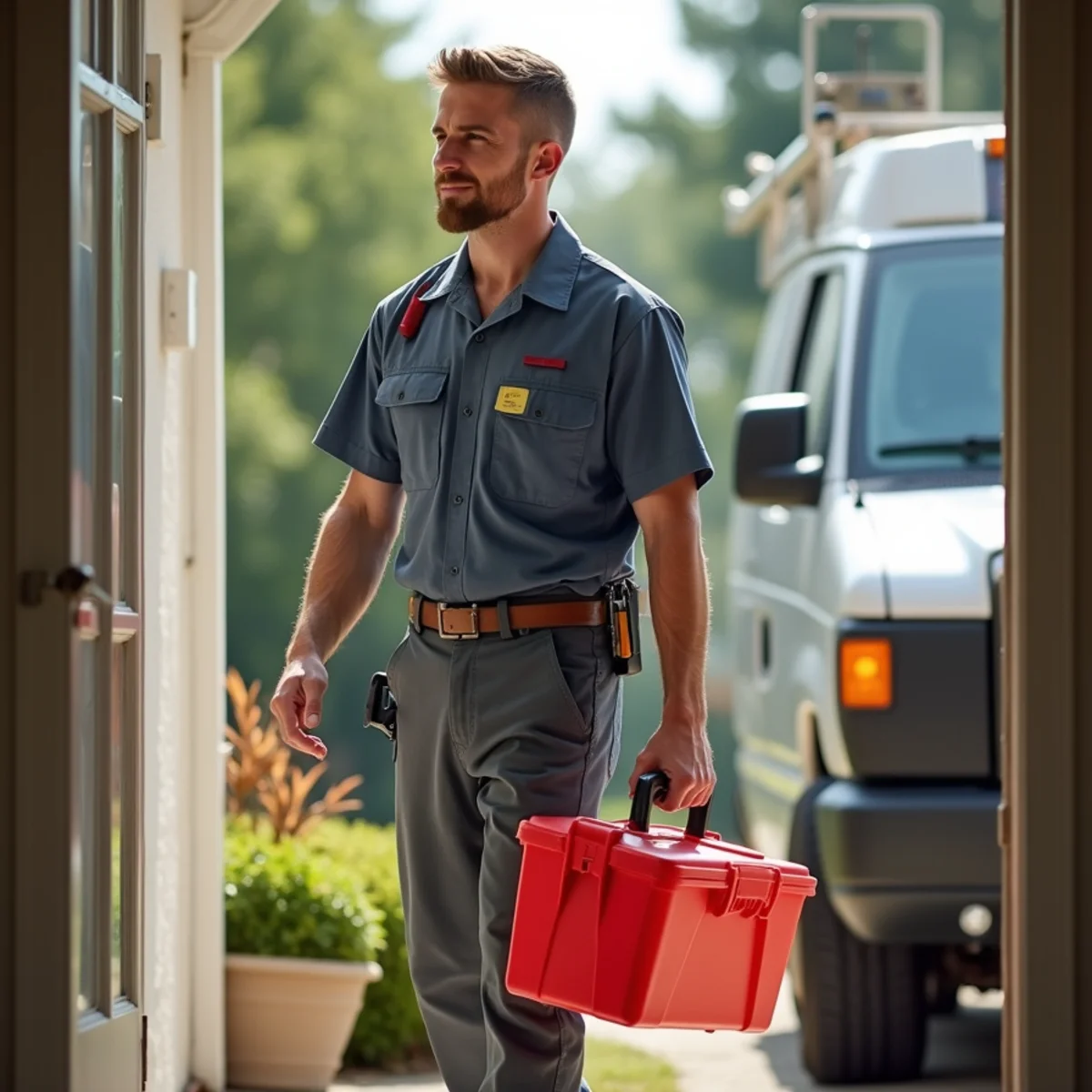
If the basics above don't get you anywhere, don't keep experimenting, especially with anything involving refrigerant lines or the compressor itself — those require licensed handling and aren't something to open up on your own. Emergency AC repair exists precisely for heat wave failures, when waiting even a day isn't a reasonable option for the people in the house. Have your system's age, any recent noises or performance changes, and the indoor temperature ready when you call — it helps a technician judge urgency and bring the right parts on the first trip.
Why AC Systems Fail Right When You Need Them Most
Air conditioners fail during heat waves for a straightforward reason: they're working harder and longer than at any other point in the season, which exposes a weak capacitor, a tired compressor, or a low refrigerant charge that had been getting by under lighter loads. Homes in Richland Township with systems installed more than a decade ago see this pattern often, especially units that were already borderline undersized for the square footage they're cooling. If this is your second or third AC failure in as many summers, that's a sign worth discussing honestly with a technician rather than treating each breakdown as an isolated event.
After the Repair
Once your system is back up and running, ask the technician what caused the failure and whether it's likely to recur. A refrigerant leak, for instance, often points to a slow leak elsewhere in the system that will eventually need attention again. Getting ahead of it with a proper diagnosis now beats discovering the same failure on the next 95-degree afternoon. If the technician tells you the system is aging or was undersized from the start, it's worth getting a real quote on AC installation rather than continuing to gamble on repairs every summer.