Many Quakertown homes were built before central air was ever planned. Radiator or baseboard heat means there may be no ducts at all. When the question of air conditioning comes up, the choice is usually between adding ductwork for central air and installing a ductless mini-split. Each has advantages, and neither is right for every house.
How They Differ
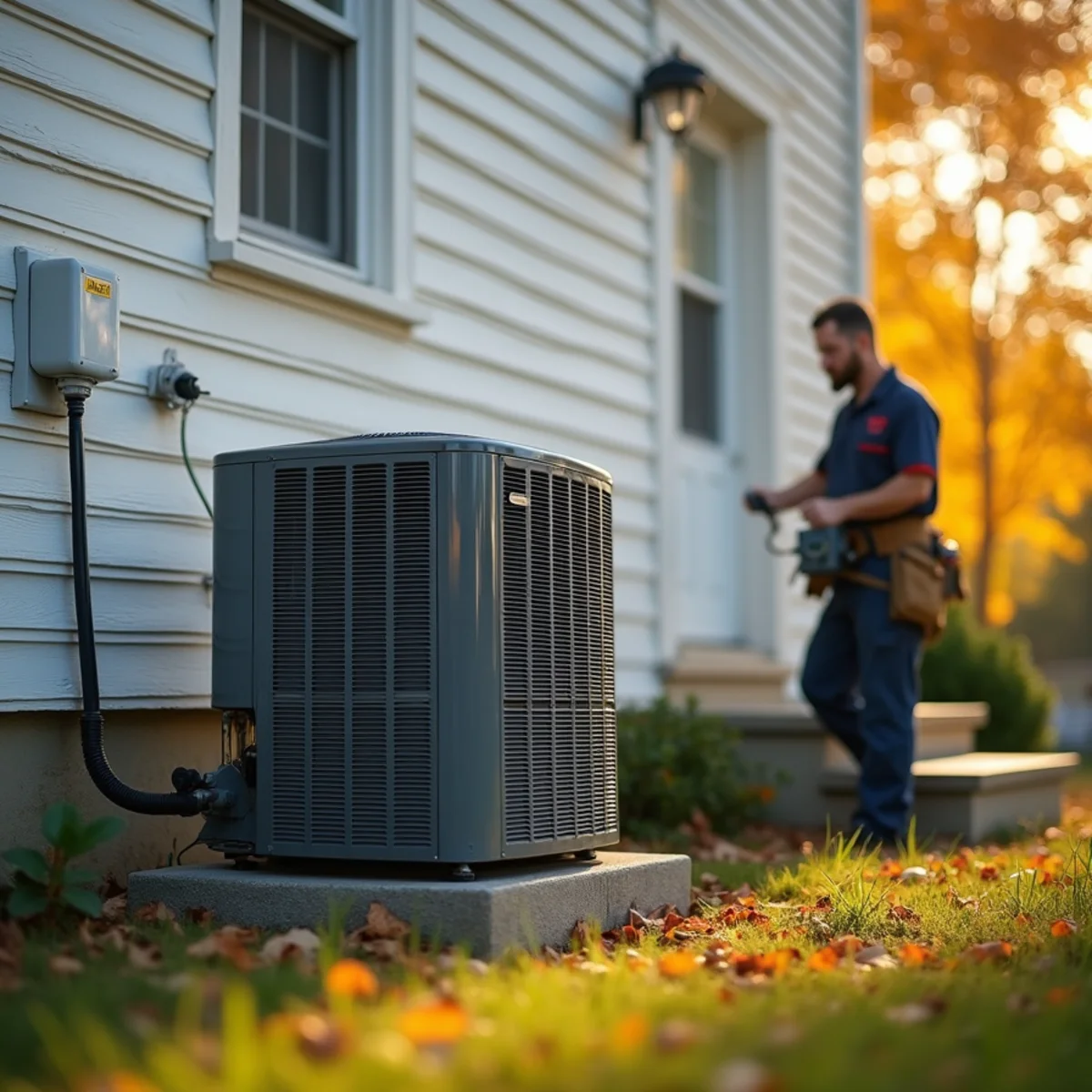
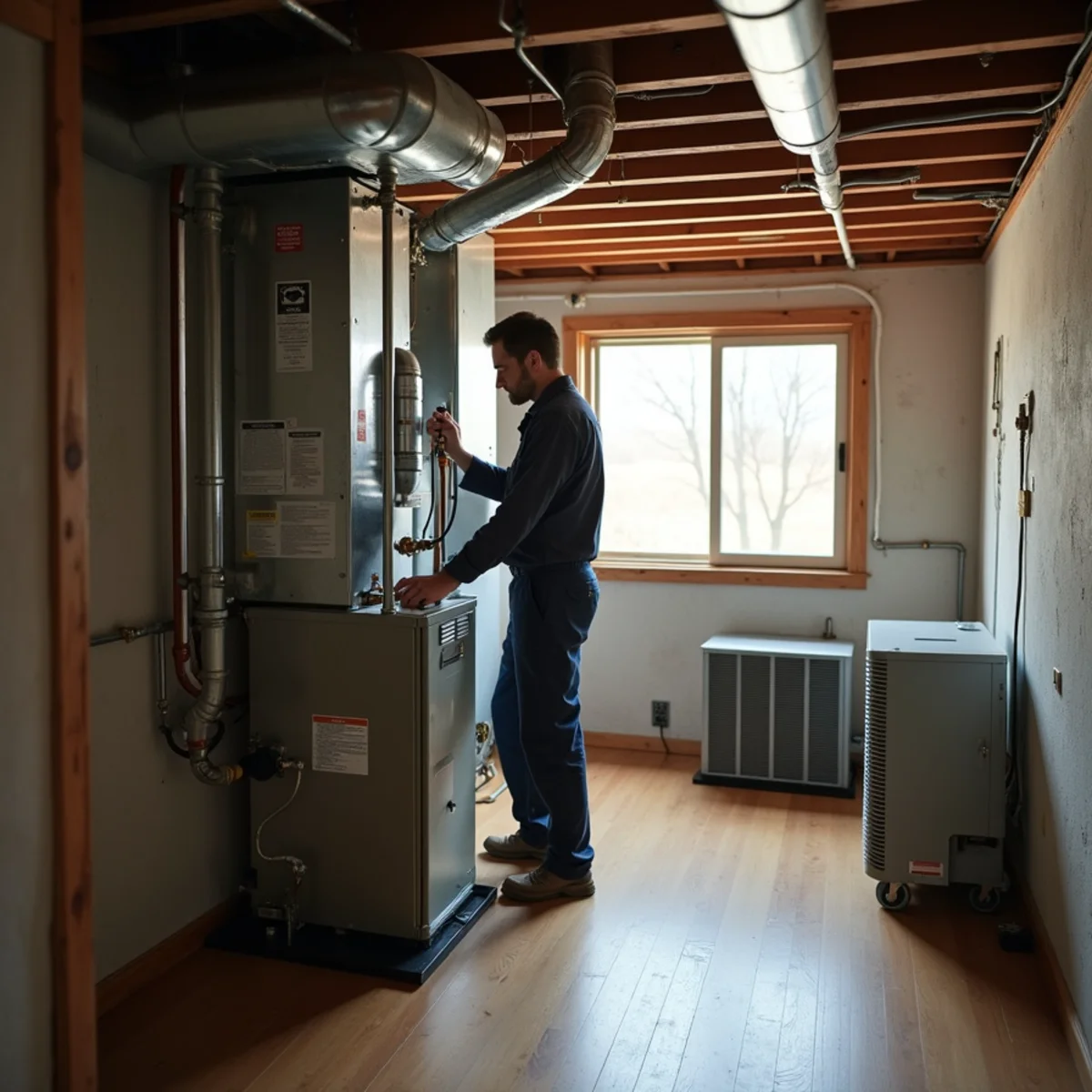
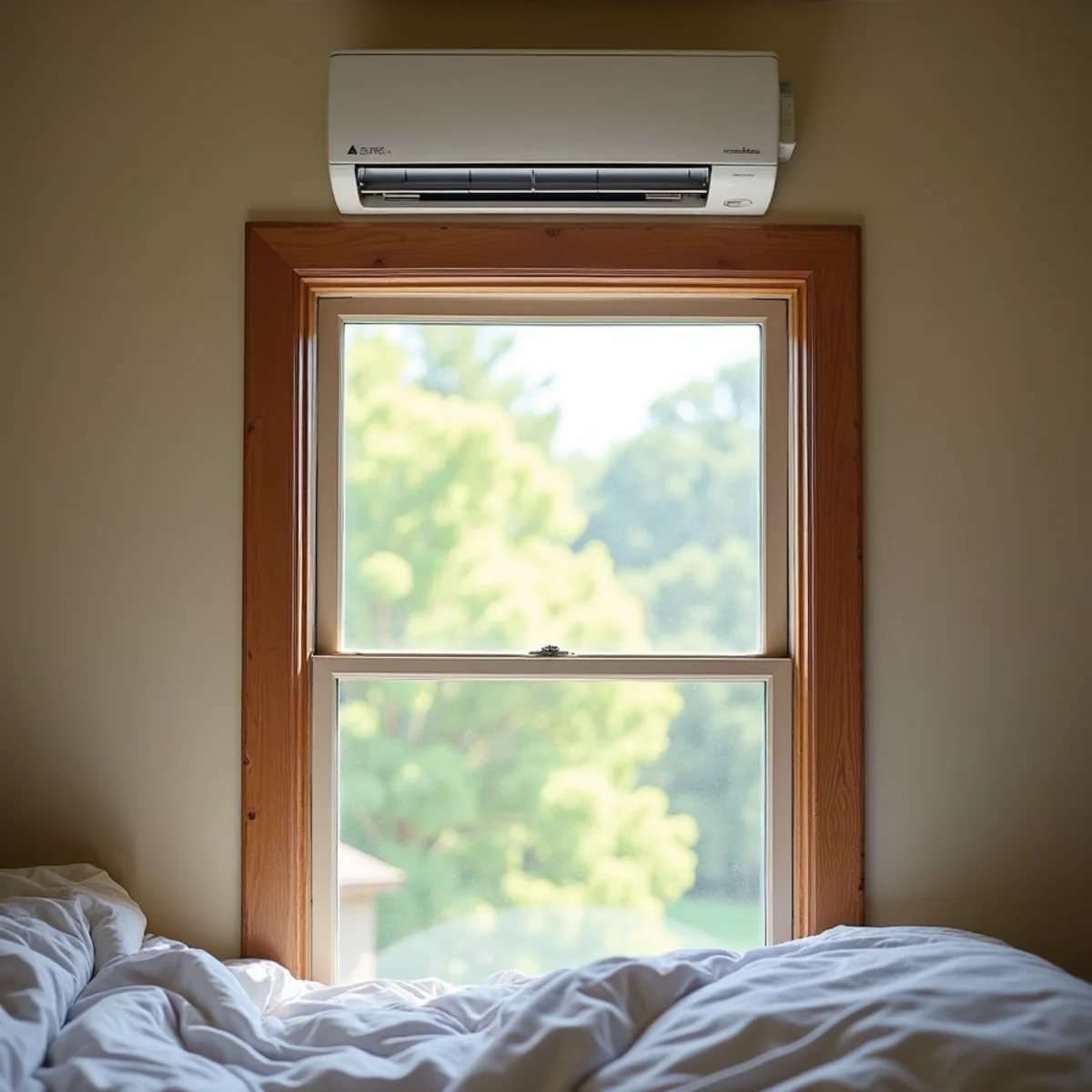
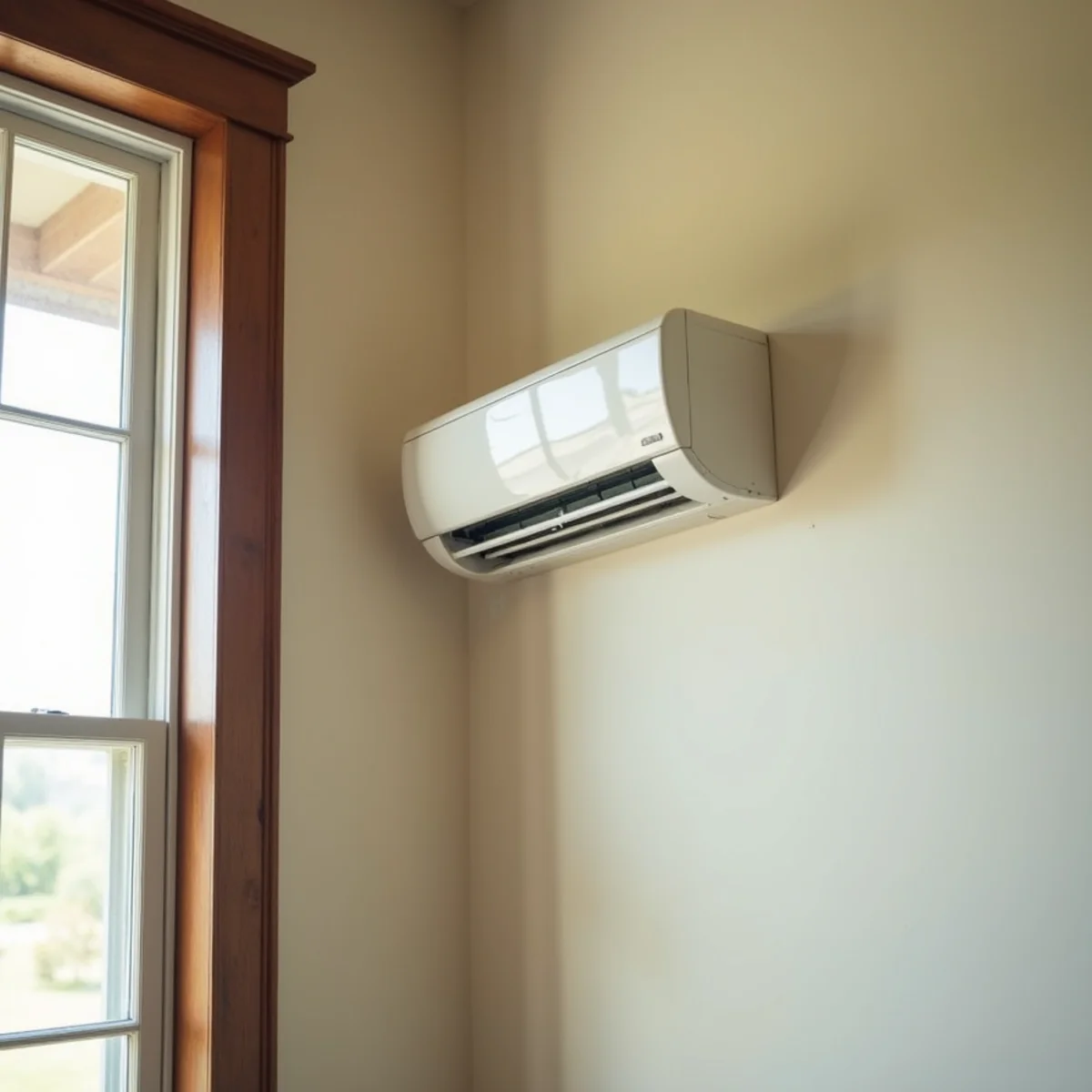
Central AC cools the whole house through a duct system, with a single indoor coil and an outdoor condenser. A ductless mini-split connects one outdoor unit to one or more wall, ceiling, or floor-mounted indoor units by a small refrigerant line, with no ducts. Each indoor unit cools its own zone. Most mini-splits are heat pumps, so they also provide heat.
Where a Mini-Split Fits Best
- Houses with no ducts, particularly boiler-heated homes with plaster walls or historic features
- Additions, finished attics, or sunrooms that the main system doesn't serve well
- Homes where installing ducts would mean major structural changes
- Spaces where you want separate temperature control per room
- Reducing heat loss that occurs in ducts that run through unconditioned spaces
Where Central AC Fits Best
- Houses that already have ducts in good condition
- Homes with many rooms where you want uniform cooling and a single visible component
- Owners who prefer no wall-mounted indoor units
- Replacing an existing central system where the ducts are usable
Cost and Installation
Cost depends on the house, so there's no universal ranking. Installing a mini-split avoids the cost and disruption of ducts, but covering a large house with many indoor heads can add up. Central AC is typically more economical per square foot where ducts exist and more expensive where they must be built from scratch. We give written quotes for each option.
Comfort
Mini-splits give room-by-room control and can deliver quiet, steady cooling. Central systems provide even distribution in a properly designed duct system. Poorly designed or leaky ducts reduce central AC performance, which is part of why ductless is attractive in older homes. See uneven heat in older twins and rowhomes for examples of how duct problems show up.

Maintenance
Mini-split indoor units have washable filters and drain lines that need regular attention. Central systems have a filter, coil, and drain as well. Both benefit from yearly service. See AC maintenance for what a visit covers.
Appearance and Historic Homes
A mini-split indoor unit is visible on the wall, though modern units are slim, and some styles recess into ceilings. Near the Quakertown Historic District, where ducts would mean altering plaster or trim, that tradeoff often favors ductless. Our ductless mini-split page explains installation considerations, and ductwork services covers the central side.
Choosing
The right answer starts with an evaluation: what the house already has, what the load is room by room, and what you want to keep intact. We'll recommend what fits and say so if it's a close call. If you're comparing central AC with a heat pump system, heat pump versus furnace may also help.