You turn the heat up, the blower kicks on, and the air coming out of the registers feels cool. It's one of the most common winter calls a heating contractor gets, and the cause ranges from a thermostat setting you can fix in ten seconds to a safety shutdown that needs a technician. The useful question is not "is my furnace broken" but "is the blower running without the burner, or is the burner running and the heat isn't reaching the house?"
Check the Thermostat Fan Setting First
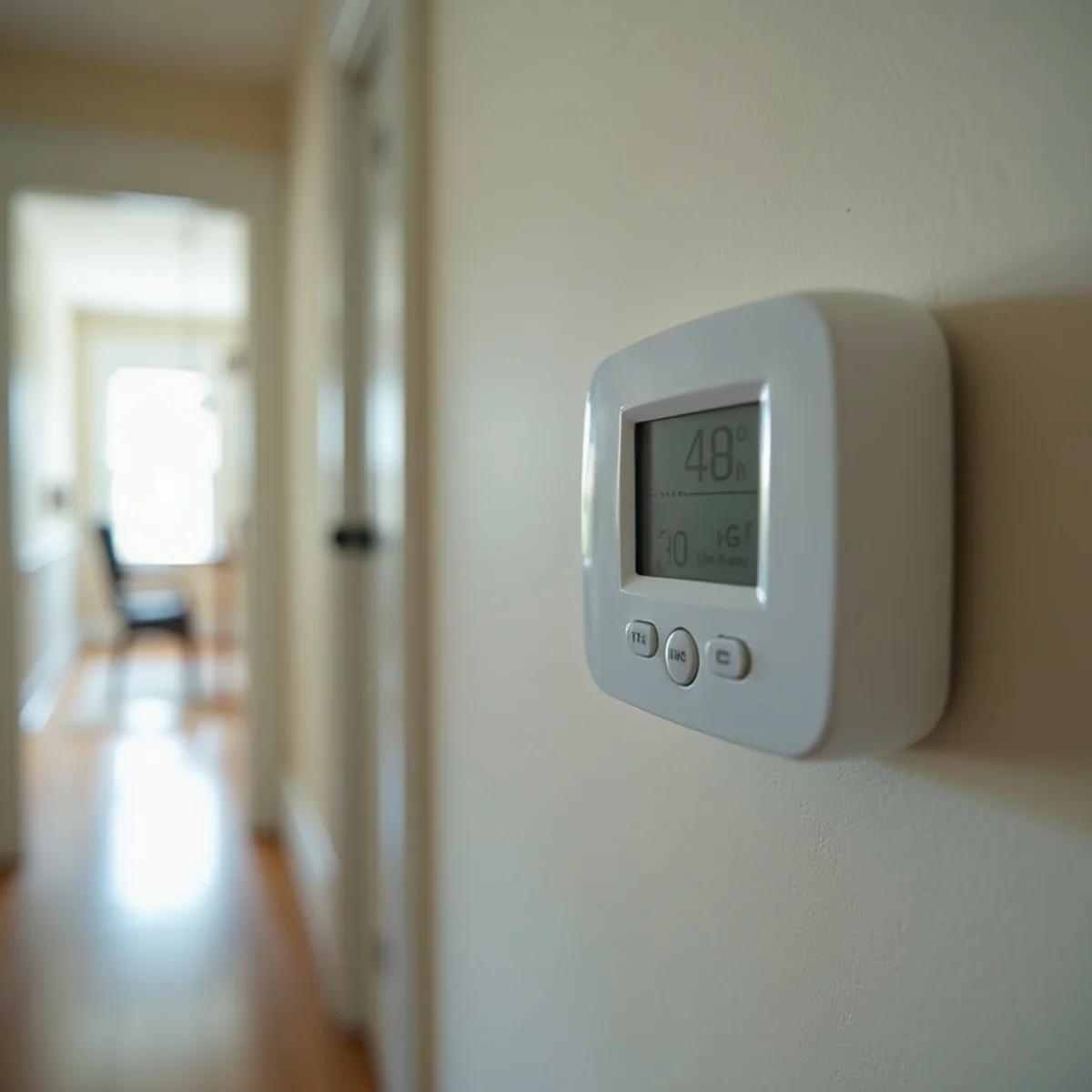
If the thermostat fan is set to On instead of Auto, the blower runs continuously, including between heating cycles when the burner is off. The air from the vents during those gaps is unheated and feels cold. Set the fan to Auto and see whether the air warms up when the furnace actually fires. This is the most common reason a working furnace seems to blow cold air.
Also confirm the thermostat is in Heat mode and the setpoint is above the room temperature. A thermostat set to a temperature at or below the room's will simply not call for heat.
A Clogged Filter Can Shut Heat Down
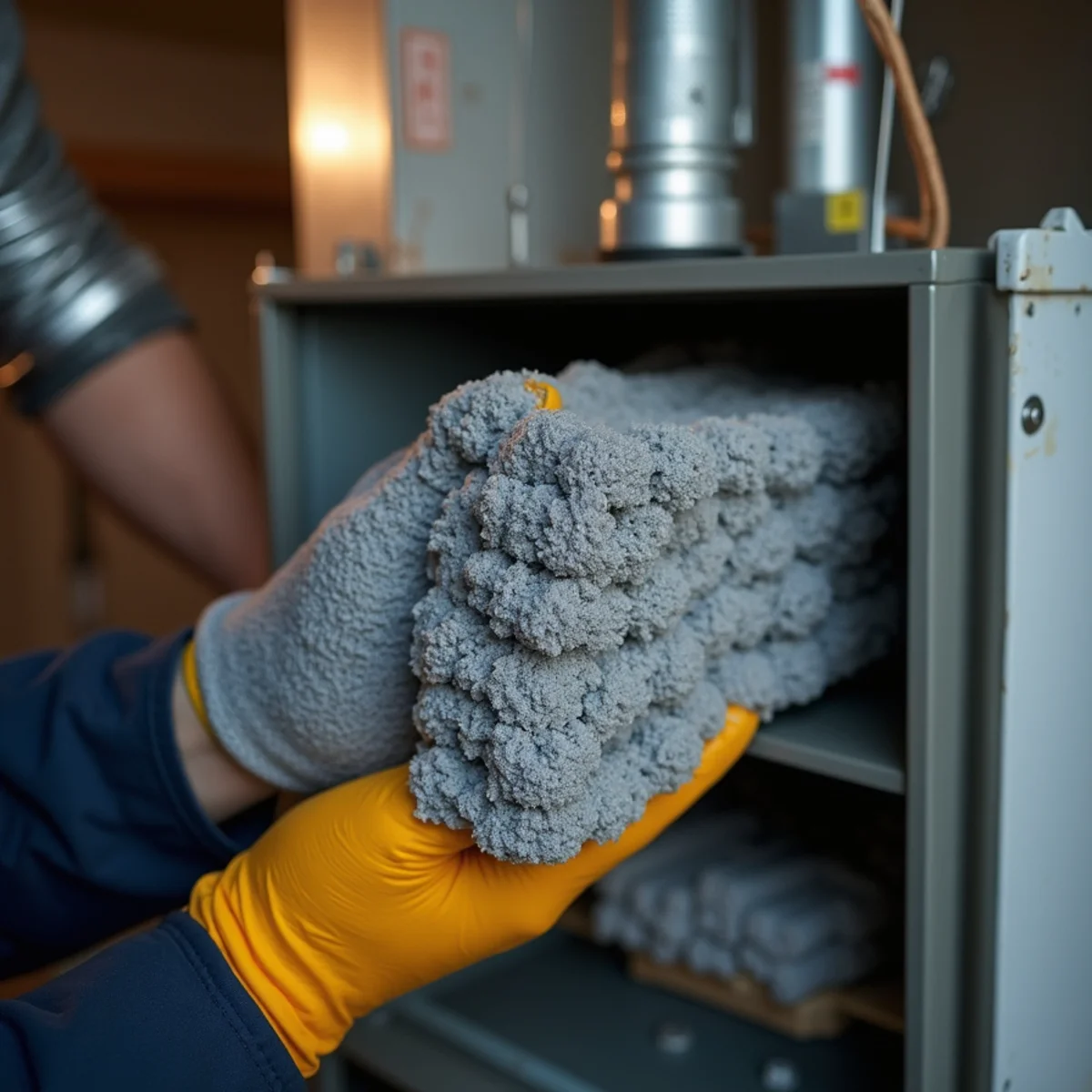
A badly clogged filter restricts airflow across the heat exchanger. The furnace then overheats, and a safety limit switch shuts the burner off while the blower keeps running to cool things down. The result is cool air from the vents. If your filter is grey and matted, replace it, and see our guide to how often to change HVAC filters for a schedule that fits your home.
If the furnace has been cutting out on its limit switch repeatedly, don't keep restarting it. Repeated overheating is hard on the heat exchanger and is worth having inspected.
The Burner Isn't Lighting
If the blower runs but the burner never lights, the furnace is not producing heat. In a gas furnace the usual causes are a failed hot surface igniter, a dirty or failing flame sensor, a gas supply interruption, or a control board fault. In an oil furnace, the burner may have locked out on its safety reset, or the oil supply may be restricted by a clogged filter or an empty tank.
A furnace that lights for a few seconds and then shuts off is often a flame sensor that can no longer detect the flame. It's a small part, but cleaning or replacing it involves working near live components and gas equipment, so it's a technician's job.
- Gas furnace: igniter, flame sensor, gas valve, pressure switch, or control board
- Oil furnace: lockout on the burner reset, clogged nozzle or filter, or low fuel
- Either: a tripped limit switch from poor airflow
Condensate Problems on High-Efficiency Furnaces
High-efficiency furnaces produce condensate that drains away through a small line. If it clogs, a safety switch can shut the furnace down. You may see water near the furnace or hear gurgling. Don't open the cabinet, but do note any water and mention it when you call.
Airflow and Duct Problems
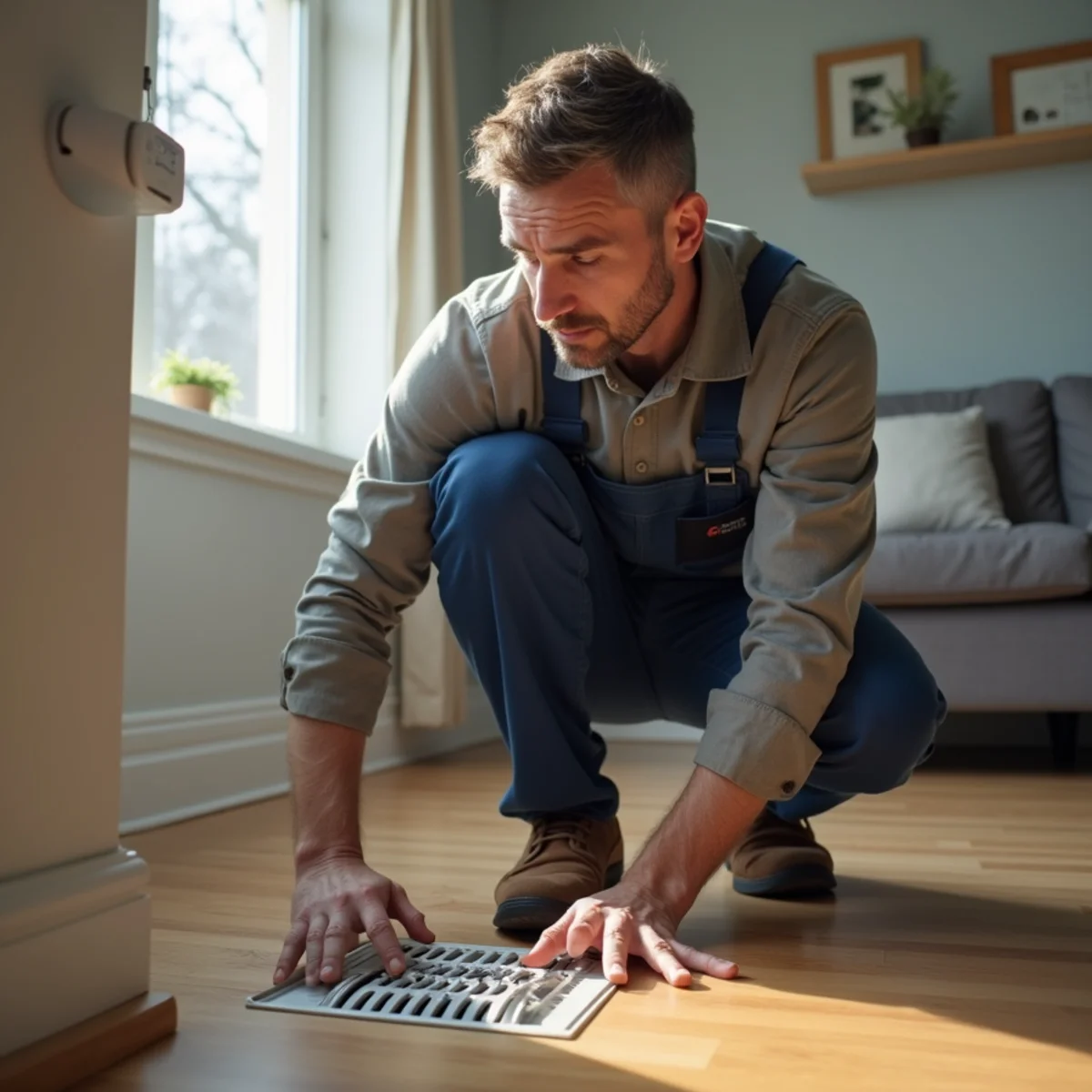
Closed or blocked registers, collapsed or disconnected ductwork, and leaky duct runs through unheated spaces can all make air feel cool at the registers even when the furnace is making heat. In older Quakertown homes with additions or long duct runs into cold crawlspaces, this is common and often shows up as some rooms warm and others cool. Our article on uneven heat in twins and rowhomes covers that pattern.
Heat Pump or Dual-Fuel Systems Behave Differently
If your system is a heat pump, cooler-than-expected air may be normal at certain times, such as during a defrost cycle, and supply air from a heat pump is lower-temperature than from a gas furnace even when everything works. See why a heat pump may blow cool air in winter.
Safe Checks and Hard Stops
Safe to check: thermostat mode and fan setting, thermostat batteries, the filter, whether registers are open, and whether the furnace's power switch and breaker are on. If the furnace has a visible reset button, the manufacturer's instructions may allow a single reset, but don't repeat it.
Stop and call a professional for any smell of gas, smoke, scorching, or soot; a furnace that restarts and shuts off repeatedly; a tripped breaker that trips again; or water pooling around the equipment. If you smell gas or suspect carbon monoxide, leave the house and call 911 or your gas utility's emergency line from outside.
When to Call for Furnace Repair
If the fan setting, filter, and thermostat check out and the air is still cold, the burner or its controls need diagnosis. Our furnace repair team works on gas and oil furnaces, and for a no-heat situation overnight, emergency furnace repair is available. If you're not sure what kind of system you have, our heating repair page explains how to tell.