The thermostat is the control point for the whole system, so when it misbehaves, the heating or cooling can seem broken even though the equipment is fine. A good share of no-heat and no-cool calls start with a thermostat issue. The checks below take only a few minutes.
Blank Screen
A blank display usually means the thermostat has no power.
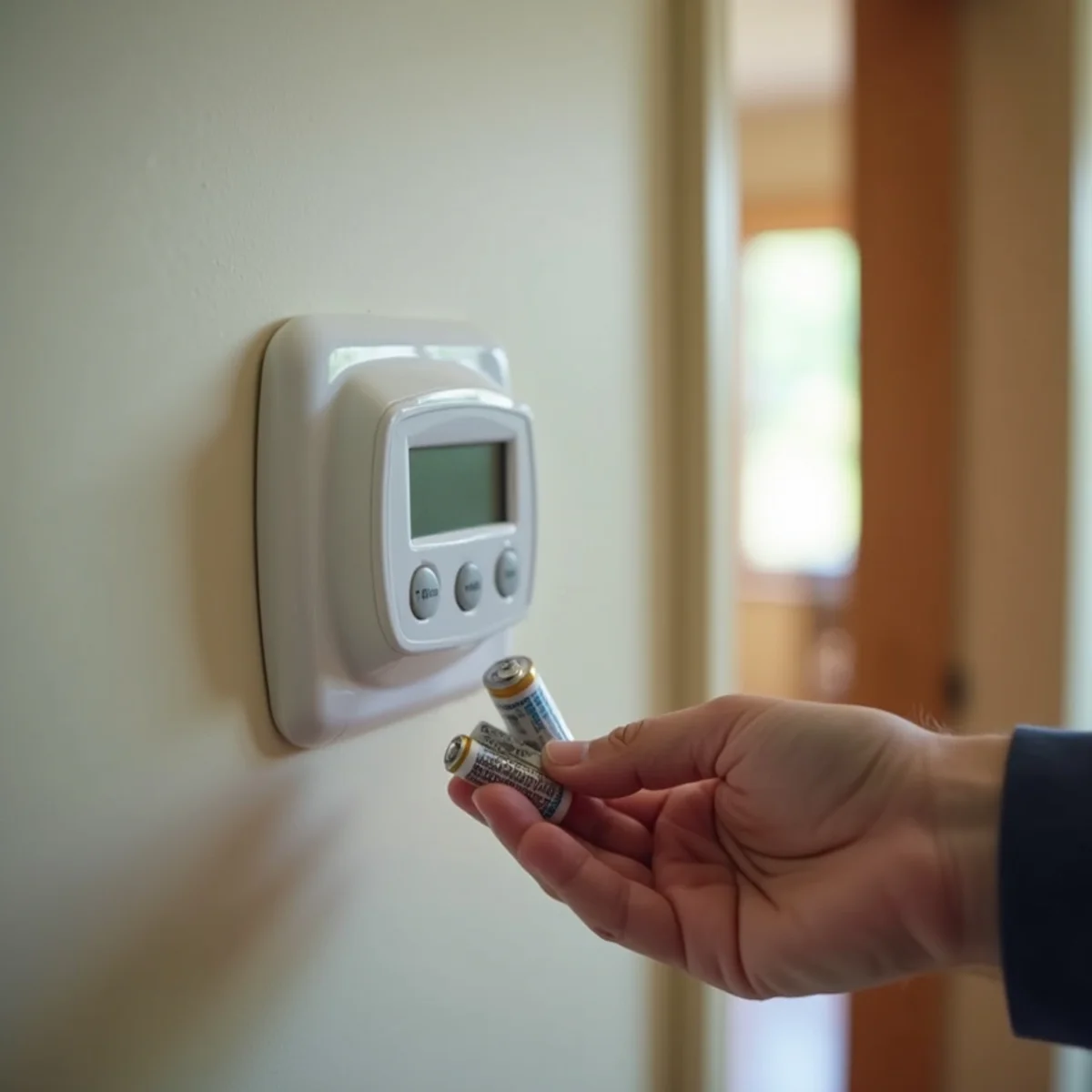
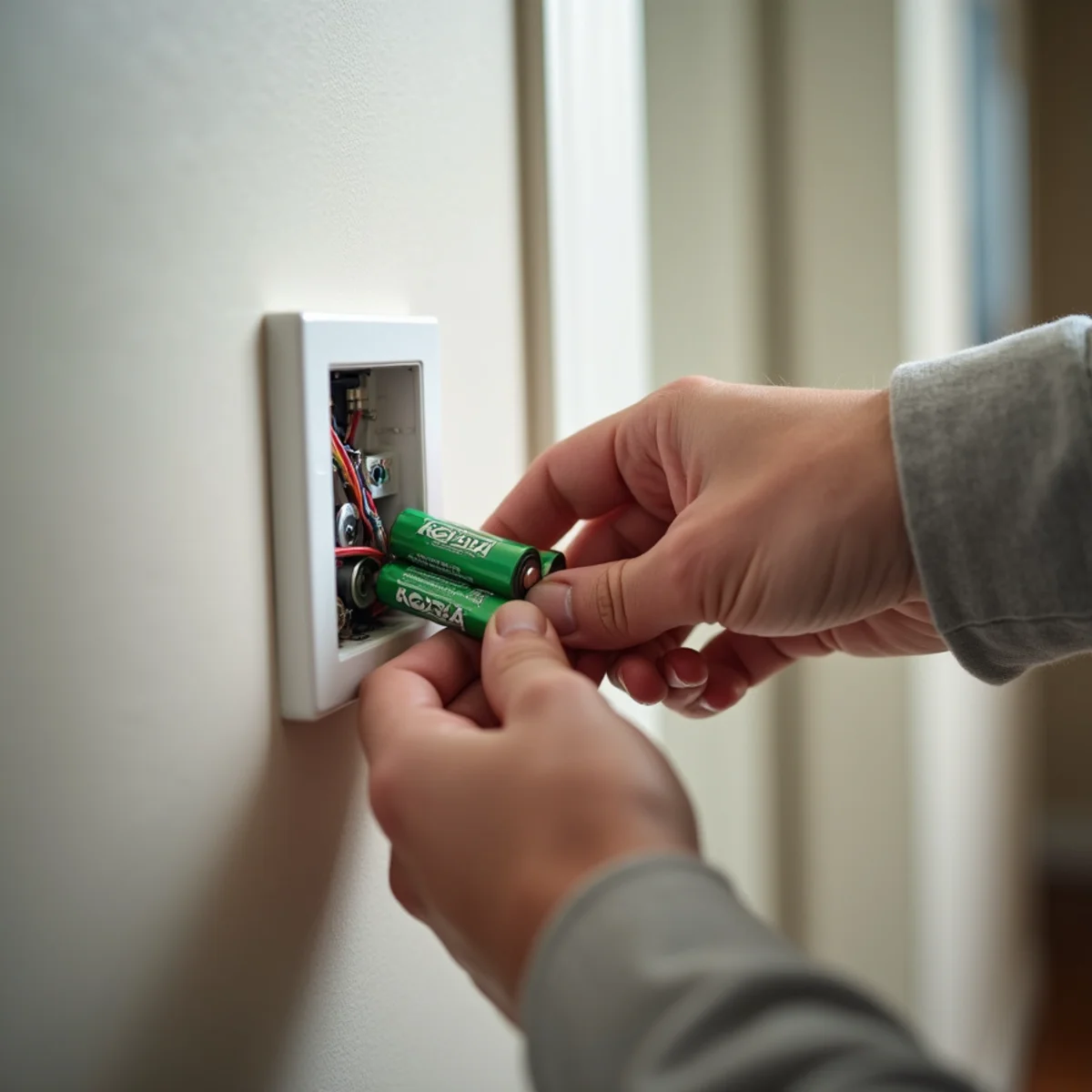
- Battery-powered models: replace the batteries. If the screen shows a low-battery warning, don't ignore it.
- Wired models: check that the furnace or air handler power switch is on and the breaker hasn't tripped. Many thermostats draw power from the equipment, so a tripped breaker or switch kills the screen.
- A blown low-voltage fuse on the furnace control board can also cut power to the thermostat. That's a repair for a technician.
- A float switch that has shut down an AC because of a clogged condensate drain can also cut low-voltage power on some systems.
Screen On, but System Doesn't Respond
- Confirm the mode (Heat, Cool, Auto) matches what you want, and that the setpoint is beyond the current temperature.
- Check that a schedule or hold setting isn't overriding your change.
- Smart thermostats: check the Wi-Fi status and that the device hasn't been paused, away-moded, or locked.
- Some thermostats have a built-in delay of several minutes before restarting the equipment, a protection that can look like a failure.
- If everything looks right and the equipment still doesn't start, the problem may be in the wiring or the equipment control board.
Wrong Temperature Reading
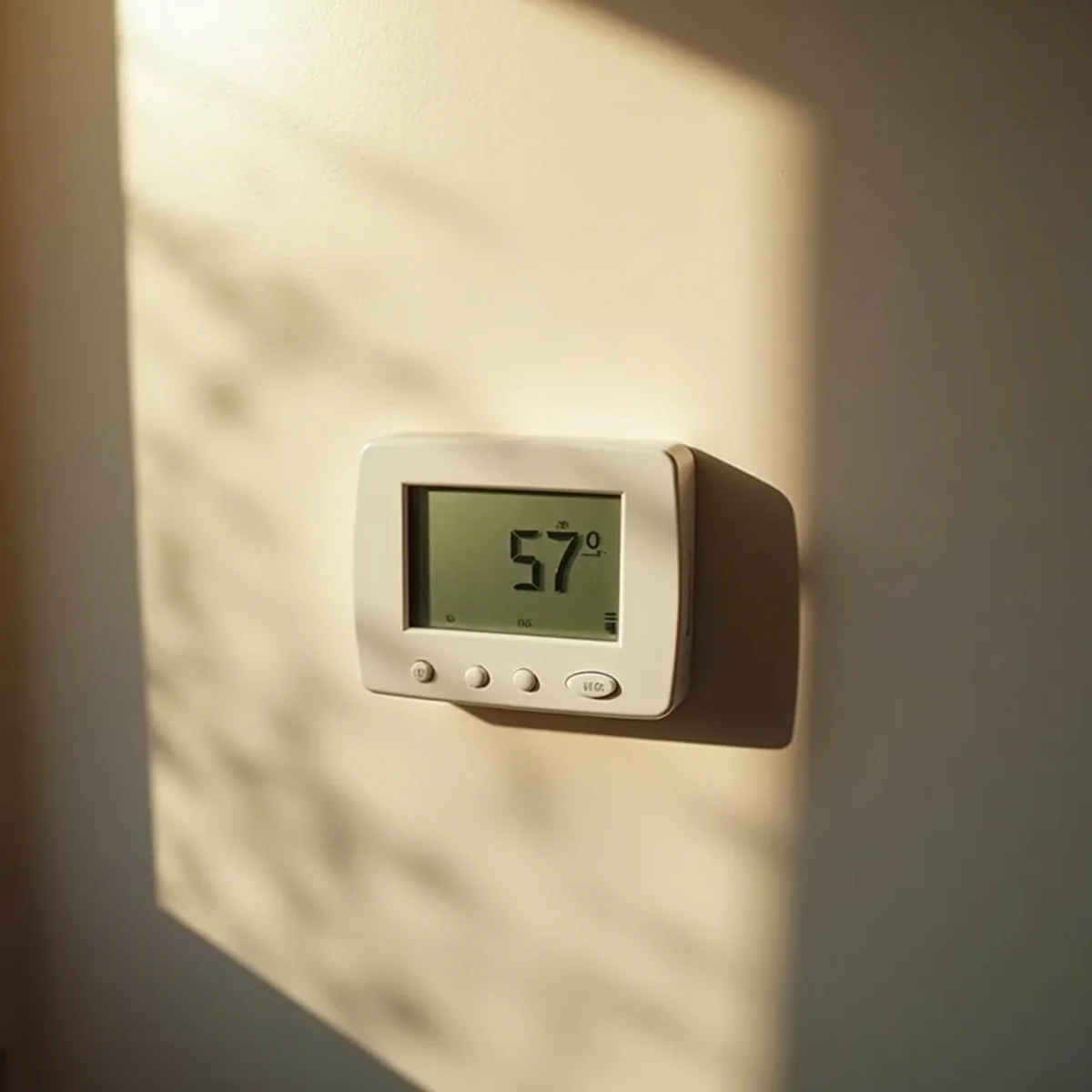
A thermostat that reads several degrees off may be in a bad location, such as near a sunny window, a heat source, or a supply register, or on an exterior wall with a draft. Dust inside older mechanical or digital units can also affect readings. Compare the display with a separate thermometer placed near it for a while. If it consistently disagrees, calibration or replacement may be needed.
System Runs Constantly or Cycles Too Often
This can be a thermostat issue such as misplaced sensing, wrong cycle-rate settings, or incorrect system-type configuration. It can also be an equipment issue. If the thermostat settings look right, see furnace short cycling.
Wiring and Compatibility Problems
New thermostats need to match the system. Heat pumps, multi-stage equipment, and systems without a common wire (C-wire) need specific configurations. A smart thermostat installed on an incompatible system may not work correctly or can cause problems with the equipment. If you've just installed a new thermostat and the system misbehaves, check that it's configured for your equipment, or have it checked.
Loose or damaged wires at the thermostat or equipment can cause intermittent operation. Wiring work at the equipment should be done by a professional.
What You Can Safely Do
- Replace batteries
- Check mode, setpoint, schedule, and hold settings
- Confirm switches and breakers are on, once
- Restart a smart thermostat by following the manufacturer's instructions
- Gently clean dust from a vent opening on the thermostat cover
When to Call
If the thermostat has power and correct settings but the equipment doesn't respond, or you see signs of an equipment fault, the issue is beyond a thermostat setting. Call heating repair for no heat, or AC repair for no cooling. If it's the middle of the night in winter, see what to do when your furnace quits.