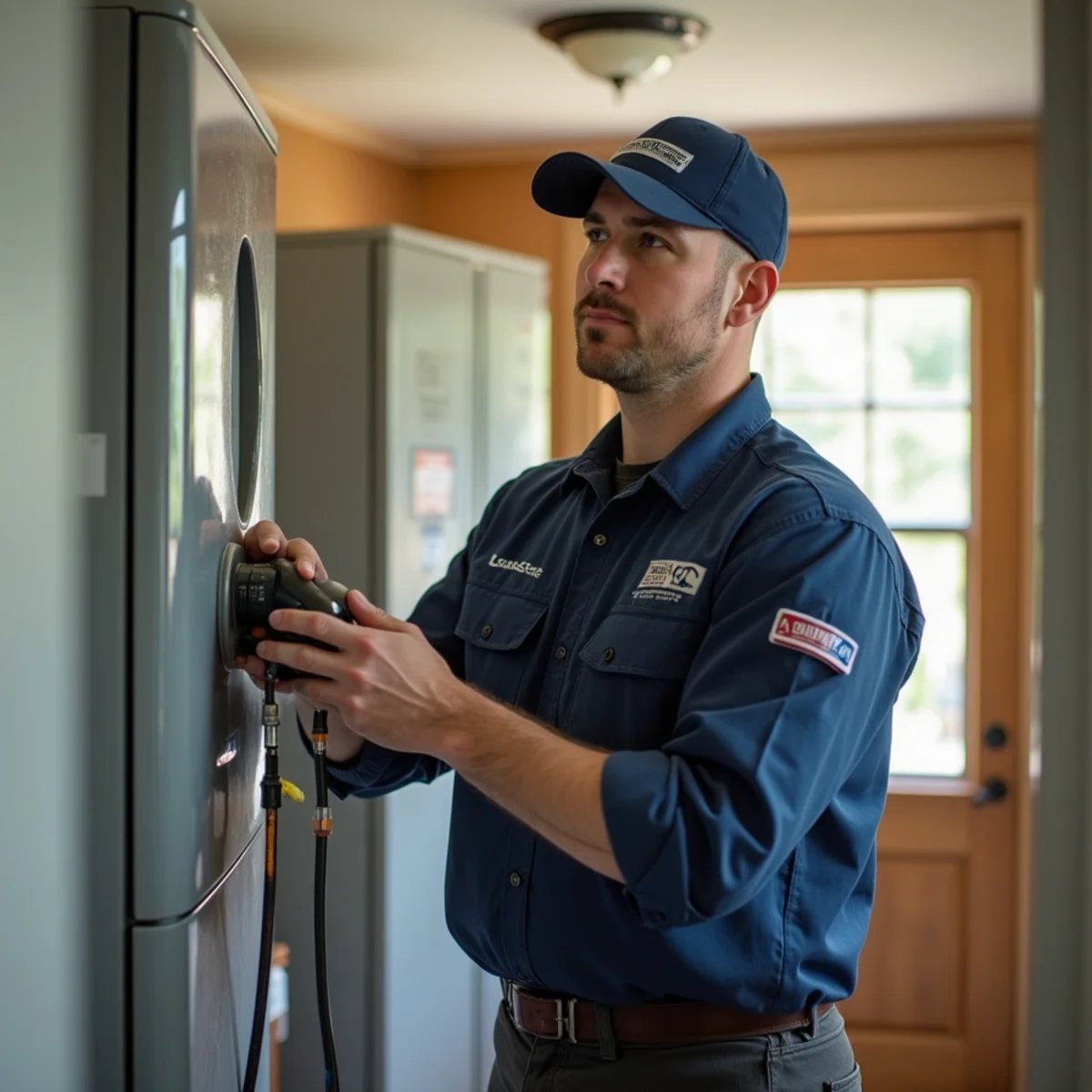

Turnover between tenants is genuine chaos even under the very best of circumstances. HVAC is easy to treat as an afterthought when there's already a punch list of a dozen other things demanding immediate attention. That's a real mistake to make. A system that gets skipped during turnover is almost always the one that ends up failing three weeks into a brand new lease.
Property managers handling multiple units around Borough Center know from real experience that a consistent, repeatable between-tenants process saves far more time and money over the long run than any single individual repair ever could.
Before the Old Tenant's Final Walkthrough
- Ask the outgoing tenant directly whether they noticed anything off with heating, cooling, or airflow, even if they never filed a complaint
- Note the current filter condition and date of last change
- Check the thermostat for error codes or unusual settings
- Look at the unit's maintenance history
The Physical Inspection Every Vacant Unit Needs
- Replace the filter regardless of how recently it was changed
- Run the system in both heating and cooling mode, not just whatever season it happens to be
- Check supply and return vents throughout the unit for airflow or blockages
- Inspect the condensate line and drain pan for buildup
- Test the thermostat's full range and confirm any smart thermostat is reset and paired correctly
- Look for obvious duct damage or disconnects, particularly in older buildings common in this part of Quakertown
Don't Skip the Small Stuff Just Because the Lease Is Signed
It's tempting to rush this process once a new tenant is lined up, but a five-minute inspection now prevents a service call in week two. Silence isn't the same as a working system.
Document Everything, Every Time
A simple dated record for each unit protects you if a new tenant claims the system never worked properly, and it builds a maintenance history that helps you spot equipment nearing the end of its life. This is where our commercial HVAC team fits into a property manager's routine.
When to Call in a Professional Instead of Handling It In-House
Filter changes and a basic run-test are reasonable for maintenance staff. But anything involving refrigerant levels, electrical components, or early warning signs needs a licensed technician before a new tenant moves in.
Building a Repeatable Process
The property managers who deal with the fewest HVAC emergencies are the ones with a checklist they actually run every single time a unit turns over.
Why a Consistent Checklist Beats Relying on Memory
Turnover happens under time pressure, often with several units in motion at once, and that's exactly the environment where a mental checklist falls apart. Skipping the condensate drain check on one unit because you're rushing to get keys ready for a walkthrough is an easy mistake to make once, and an expensive one to repeat across a portfolio of properties. A written, physical checklist that gets filled out and filed for every single turnover removes the guesswork about what actually got checked, and it gives you something concrete to reference if a dispute comes up later.
Coordinating With Maintenance Staff on What's In and Out of Scope
Property managers who employ in-house maintenance staff benefit from spelling out exactly where the line sits between what staff can handle and what needs a licensed technician. A written scope avoids the situation where a well-meaning maintenance person attempts an electrical or refrigerant-related fix beyond their training, potentially voiding a warranty or creating a safety issue, simply because nobody had clearly defined the boundary in advance. Revisit that scope periodically as staff turnover happens too, since institutional knowledge about what's appropriate to handle in-house doesn't automatically transfer to a new hire.
Building Vendor Relationships That Support Fast Turnovers
A property manager juggling multiple units benefits enormously from having an established relationship with one HVAC contractor who already knows the buildings, rather than sourcing a new vendor for every issue that comes up. That familiarity translates into faster response during turnover crunches, more accurate diagnosis since the technician already has service history on the specific equipment, and often better pricing and scheduling priority than a one-off call from an unfamiliar company would receive.
Timing Turnover Inspections Around Seasonal Demand
If you have any flexibility in scheduling a unit's turnover, doing the HVAC portion of the inspection a few weeks ahead of peak heating or cooling season gives you room to order parts or schedule a repair before contractors get slammed with emergency calls. Waiting until the day before a new tenant moves in, especially right as the first heat wave or cold snap of the season hits, puts you competing for appointment slots with everyone else who's discovering their own system problems at the exact same time.