
Customers simply don't linger in a store that's too hot in July or too drafty in January, and they definitely don't come back to shop there again. Storefront owners along Quakertown's main commercial blocks deal with a particular set of comfort challenges that offices and warehouses don't have to think about nearly as much.
Storefronts Fight a Different Kind of Heat Load
Retail spaces have big storefront windows that flood the space with direct sunlight and heat gain, frequent door openings all day long, and display lighting that adds its own meaningful heat on top of everything else. A system sized correctly on paper can still struggle badly in a space that behaves nothing like a standard office.
Buildings in the Quakertown Historic District add another layer to this. Older storefronts weren't built with modern HVAC in mind — high ceilings, original single-pane windows, and additions over the decades that were rarely planned around the mechanical systems already in place. Heat rises to those high ceilings and largely stays there rather than reaching customers at floor level, which is a comfort problem entirely separate from anything the thermostat or the equipment itself is doing wrong.
What Breaks Down Comfort in a Retail Space
- Thermostats placed near the entrance or a sunny window, giving false readings
- Undersized or oversized equipment left over from a previous tenant
- Ductwork routed through unconditioned storage or back rooms, losing conditioned air before it reaches the sales floor
- Display lighting and equipment adding heat load nobody accounted for
Seasonal Swings Hit Storefronts Hard
Spring and fall are genuinely the trickiest seasons for a lot of retail spaces — mild outdoor temperatures combined with a steady stream of customers opening and closing the door all day creates a real moving target for any thermostat to chase accurately. Summer brings the display window heat gain problem to its absolute peak, and winter can just as easily swing the other direction with cold air pouring in every time the entrance opens.
Getting Ahead of It Instead of Reacting to Complaints
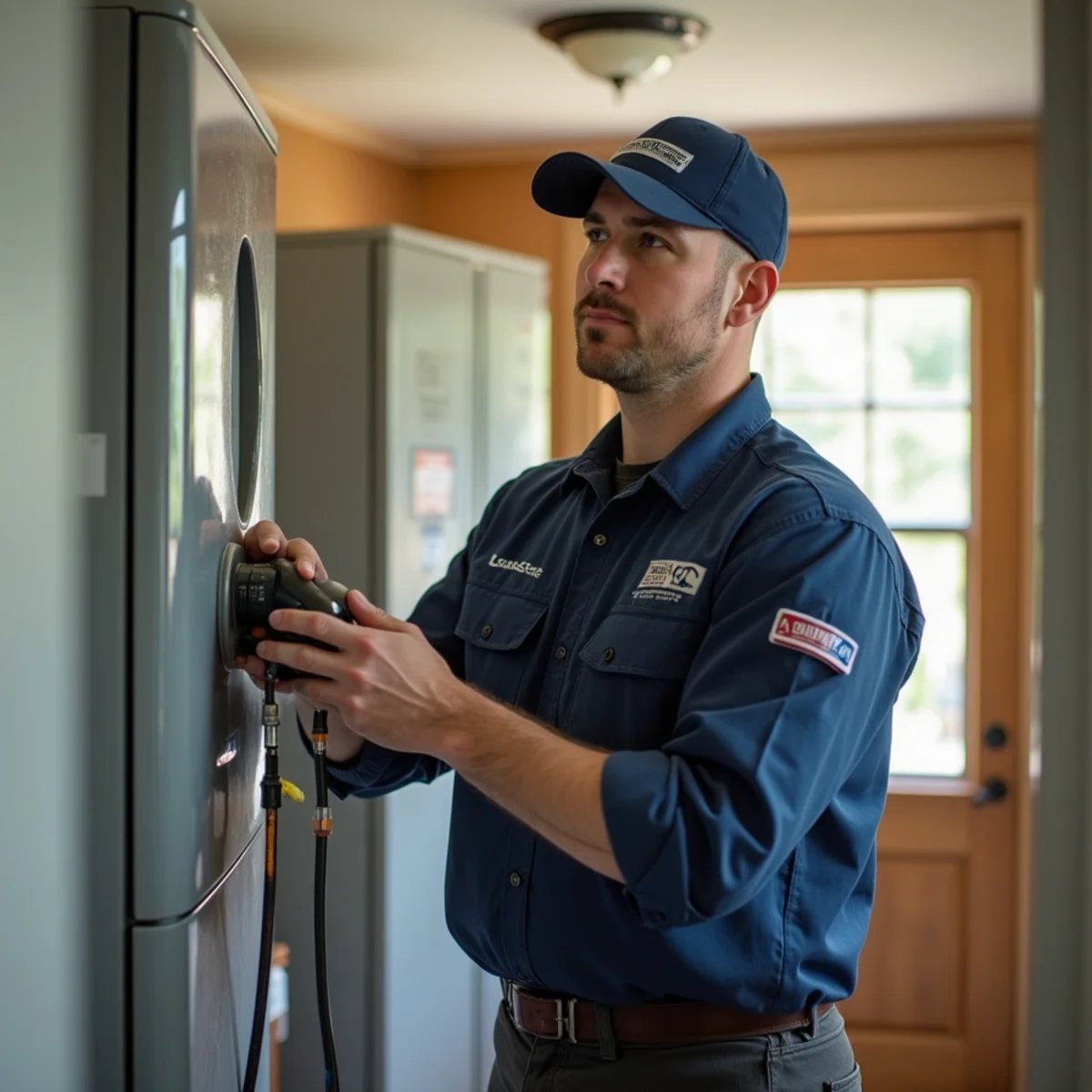
The storefronts that never seem to have a comfort problem are the ones with a maintenance schedule that catches issues before customers notice them. Our commercial HVAC team works with retail spaces throughout the area on exactly this kind of assessment.
A Small Investment That Protects Revenue
Compared to the cost of lost sales on an uncomfortable afternoon, the cost of proper seasonal maintenance and the occasional thermostat relocation is minor. Comfort is part of the shopping experience whether a customer consciously notices it or not.
Where Thermostat Placement Goes Wrong Most Often
A surprising number of storefront comfort complaints trace back to a thermostat mounted somewhere it never should have been in the first place — right by an entrance where the door opening constantly triggers a false reading, in direct afternoon sun through a display window, or near a heat-generating piece of equipment like a coffee machine or point-of-sale terminal. Relocating a poorly placed thermostat is often one of the cheapest, fastest fixes available for a chronic comfort complaint, yet it's frequently overlooked because the assumption defaults straight to the HVAC equipment itself being the problem.
Zoning Solutions for Long, Narrow Retail Spaces
Many Quakertown storefronts run deep and narrow, with the front sales floor exposed to street-facing windows and a back stockroom or office tucked away with none of that heat gain. A single thermostat trying to satisfy both zones inevitably compromises one or the other. Adding a zoning system with dampers lets the front sales floor and back areas run to their own setpoints, which solves the specific mismatch a single-zone system simply can't address on its own no matter how well it's maintained.
Display Lighting's Hidden Contribution to Heat Load
Retail lighting has changed dramatically over the past decade, but plenty of Quakertown storefronts still run older halogen or incandescent display lighting that generates meaningfully more heat than modern LED alternatives. That extra heat load adds directly to what the air conditioning has to remove, particularly in a smaller storefront where lighting density per square foot runs higher than in a typical office. Switching to LED display lighting is worth considering as a genuine comfort improvement, not just an energy bill line item, since it reduces the cooling burden the HVAC system has to work against all day long.
Getting a Storefront-Specific Assessment
A generic commercial HVAC checkup doesn't always catch what's actually driving a retail comfort complaint, since the causes here — thermostat placement, window heat gain, zoning mismatches, lighting choices — are specific to how a storefront operates day to day. Our commercial HVAC team can walk your specific space and identify which of these factors is actually behind a recurring complaint rather than defaulting to a generic tune-up that may not touch the real problem.